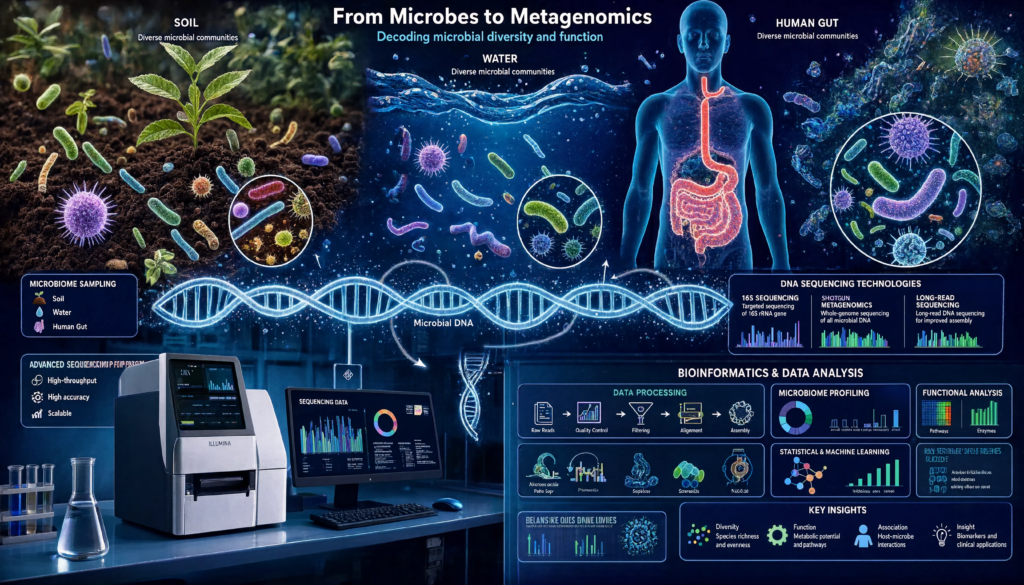
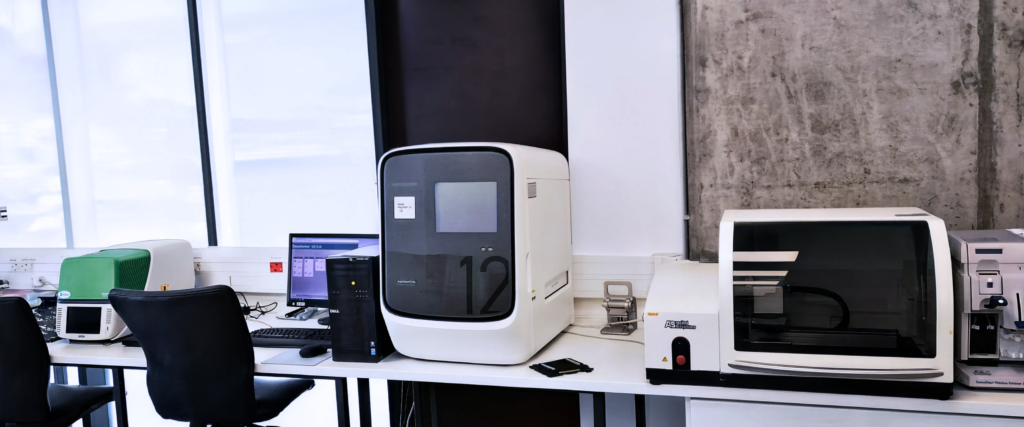
In today’s fast-moving world of genomics, targeted sequencing South Africa has emerged as a transformative tool for researchers, clinicians, and biotech innovators. At the heart of this progress is the Centre for Proteomic and Genomic Research (CPGR), a leading facility dedicated to delivering cutting-edge genomic services. Through their Next-Generation Sequencing (NGS) platform, CPGR provides tailored solutions that enable scientists to gain deep insights into genetic variations without the cost and complexity of sequencing entire genomes.
Targeted sequencing offers immense value by focusing on specific genes or genomic regions of interest. This makes it highly effective for applications ranging from clinical diagnostics to agricultural biotechnology. In South Africa, where genomic research is vital to addressing regional health challenges and advancing scientific discovery, targeted sequencing is a game-changer.
If you want to explore the broader scope of CPGR’s sequencing services, visit their detailed page on NGS Services by CPGR.
What is Targeted Sequencing?
Targeted sequencing is a method of next-generation sequencing (NGS) that focuses on a selected set of genes or genomic regions. Instead of sequencing the entire genome, this approach narrows the scope to the regions most relevant to a study or clinical question.
By doing so, targeted sequencing offers:
- Higher depth of coverage in areas of interest.
- Reduced costs compared to whole-genome sequencing.
- Faster turnaround times, enabling timely decision-making in research and healthcare.
This precision-driven method allows South African researchers and clinicians to focus on genetic markers most relevant to local diseases, agriculture, and other industries.
Why Targeted Sequencing Matters in South Africa
South Africa is home to rich biodiversity and unique health challenges. Infectious diseases, cancer, and rare genetic disorders require tailored approaches to genomic analysis. Targeted sequencing South Africa helps address these needs by enabling the study of genetic variations specific to the local population and environment.
For example:
- Medical research: Identifying genetic mutations linked to cancer or inherited disorders.
- Public health: Tracking disease-causing pathogens with high precision.
- Agricultural genomics: Enhancing crops and livestock through genetic insights.
By combining global best practices with a strong understanding of regional contexts, CPGR provides targeted sequencing solutions that support both cutting-edge research and practical applications.
CPGR’s Role in Targeted Sequencing
The Centre for Proteomic and Genomic Research (CPGR) is a pioneer in delivering advanced genomic services across South Africa. Through its Next-Generation Sequencing platform, CPGR supports targeted sequencing projects that align with the specific needs of local researchers, universities, healthcare institutions, and biotech companies.
Some key benefits of working with CPGR include:
- State-of-the-art technology: Access to advanced sequencing platforms and bioinformatics tools.
- Custom solutions: Flexible workflows tailored to project goals.
- Expert guidance: Highly trained specialists who provide support from sample preparation to data interpretation.
This holistic approach ensures reliable, high-quality data generation that empowers impactful research and clinical insights.
Applications of Targeted Sequencing in South Africa
1. Clinical Diagnostics
Targeted sequencing is invaluable for diagnosing inherited diseases, detecting cancer-related mutations, and identifying actionable genetic variants. This helps clinicians design personalized treatment strategies for patients in South Africa.
2. Infectious Disease Research
South Africa faces a high burden of diseases such as tuberculosis and HIV. Targeted sequencing allows researchers to monitor pathogens, track resistance mutations, and develop better treatment approaches.
3. Agricultural Innovation
With agriculture playing a major role in the South African economy, targeted sequencing helps improve crop resilience, disease resistance, and livestock genetics.
4. Academic and Biotech Research
Universities and biotech startups rely on targeted sequencing for fundamental research, drug development, and biomarker discovery. CPGR’s infrastructure makes this accessible to a wide range of innovators.
Advantages of Targeted Sequencing
Targeted sequencing offers several clear advantages:
- Cost-efficiency: Only regions of interest are sequenced, reducing overall expenses.
- High sensitivity: Detects rare mutations with greater accuracy.
- Time-saving: Faster analysis compared to whole-genome sequencing.
- Scalability: Suitable for small-scale projects and large clinical studies alike.
For South African institutions working within budget constraints, these benefits make targeted sequencing an optimal choice.
Targeted Sequencing South Africa: Driving Innovation
What sets South Africa apart is its combination of scientific talent and regional need for genomic solutions. Targeted sequencing bridges this gap by enabling precise, affordable, and impactful genomic analysis. CPGR acts as a hub where research and application intersect, fostering innovation across health, agriculture, and biotech industries.
Through strategic partnerships, training programs, and cutting-edge facilities, CPGR ensures that targeted sequencing in South Africa continues to grow in relevance and accessibility.
FAQs on Targeted Sequencing
What is targeted sequencing and how does it work?
Targeted sequencing focuses on specific genes or regions of the genome. It works by enriching these regions before sequencing to gain deeper insights.
How is targeted sequencing used in South African research?
In South Africa, it supports medical diagnostics, infectious disease studies, and agricultural genomics. Researchers use it to address local health and environmental challenges.
What are the advantages of targeted sequencing?
It is cost-effective, sensitive, and fast. Targeted sequencing provides high-resolution data while reducing unnecessary sequencing.
Where can I access targeted sequencing services in South Africa?
CPGR offers advanced targeted sequencing services. Their facilities in South Africa provide tailored solutions for research, clinical, and biotech projects.
Is targeted sequencing suitable for clinical applications?
Yes, it is widely used in clinical diagnostics. Targeted sequencing helps detect disease-causing mutations and supports personalized medicine.
Conclusion
Targeted sequencing South Africa is transforming the way researchers and clinicians approach genomics. By focusing on specific genes and regions, this technique ensures cost-effective, accurate, and actionable insights. The Centre for Proteomic and Genomic Research (CPGR) stands at the forefront of this revolution, offering advanced NGS solutions that meet the needs of South Africa’s scientific community.
Whether in healthcare, agriculture, or biotech, targeted sequencing delivers the precision and power required to tackle today’s challenges. For researchers looking to make an impact, CPGR remains the trusted partner for cutting-edge genomic services.