18 June marks World Kidney Cancer Day, a global awareness initiative dedicated to improving understanding, diagnosis, treatment, and research for kidney cancer worldwide.
As the global scientific community observes World Kidney Cancer Day, researchers are increasingly turning to genomics, proteomics, and bioinformatics to unlock new insights into one of the world’s most challenging cancers. Kidney Cancer Genomics South Africa is emerging as a critical research frontier, helping scientists understand how genetic variation, tumour biology, and population diversity influence disease risk and treatment outcomes.
While significant advances have been made in kidney cancer research globally, African populations remain underrepresented in cancer genomics datasets. This knowledge gap limits our understanding of how kidney cancer develops and progresses in South African patients. By generating locally relevant genomic data, researchers can develop more accurate diagnostic tools, identify novel biomarkers, and support the future of precision oncology.
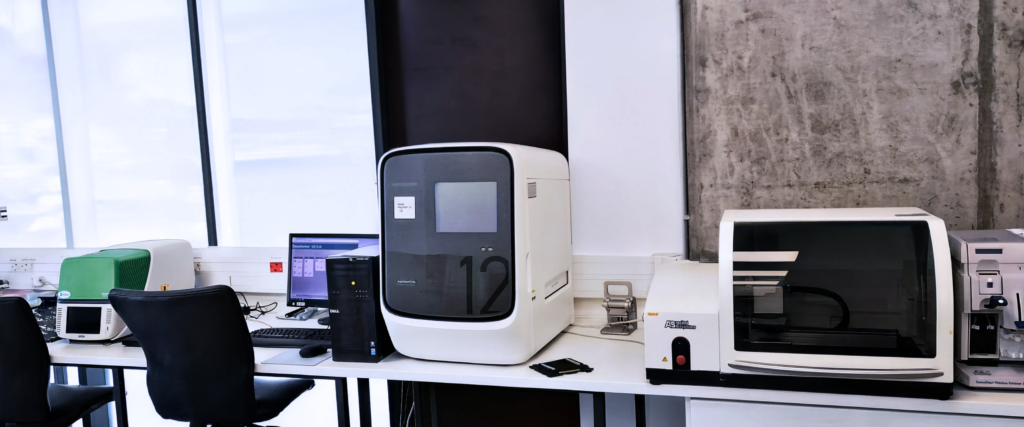
The Centre for Proteomic and Genomic Research (CPGR) in Cape Town supports this effort through its integrated genomics, proteomics, and bioinformatics platforms, providing researchers with the advanced technologies needed to investigate kidney cancer at the molecular level.
What Is World Kidney Cancer Day?
World Kidney Cancer Day is observed annually on 18 June and is coordinated by the International Kidney Cancer Coalition (IKCC). The campaign aims to raise awareness of kidney cancer, encourage early detection, and promote research that improves outcomes for patients around the world.
Often referred to as a “silent cancer,” kidney cancer may develop without obvious symptoms during its early stages. Many patients are therefore diagnosed only after the disease has progressed, reducing treatment options and increasing healthcare burdens.
Increasing awareness and accelerating scientific research are essential to improving survival and quality of life for kidney cancer patients.
Kidney Cancer in South Africa: The Burden and the Gaps
Kidney cancer remains a growing public health concern worldwide, and South Africa is no exception.
Several factors contribute to increasing kidney cancer risk across the country:
- Rising rates of hypertension
- Increasing prevalence of obesity
- Type 2 diabetes
- Tobacco use
- Genetic predisposition
These risk factors are becoming more common as South Africa undergoes significant epidemiological and lifestyle transitions.
However, one of the greatest challenges facing kidney cancer research South Africa is the lack of population-specific molecular data. Most of the genomic studies that have shaped current understanding of kidney cancer have been conducted primarily in North American and European populations.
As a result, African patients are significantly underrepresented in global cancer databases, limiting our ability to determine whether existing biomarkers, therapeutic targets, and risk prediction models accurately reflect the biology of kidney cancer in South African populations.
Why Kidney Cancer Genomics South Africa Matters
Cancer is fundamentally a disease of the genome.
Tumours develop when genetic changes disrupt the normal mechanisms that regulate cell growth, DNA repair, and cell death. These changes accumulate over time, driving tumour formation and progression.
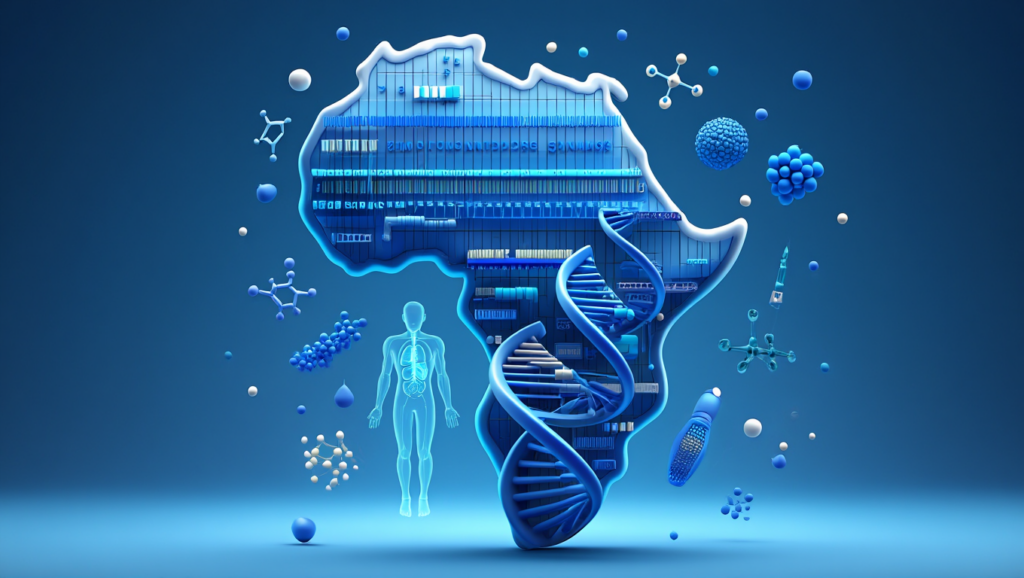
African populations contain the greatest genetic diversity in the world and studying kidney cancer genomics South Africa offers unique opportunities to uncover novel biological insights that may not be apparent in other populations.
Research in this area can help scientists:
- Identify population-specific cancer biomarkers
- Discover new therapeutic targets
- Improve patient stratification
- Enhance treatment selection
- Support the development of precision oncology approaches
Ultimately, understanding kidney cancer genomics in African populations benefits both South African patients and global cancer research efforts.
The Genomics of Kidney Cancer: What Science Has Revealed
Kidney cancer is not a single disease but rather a collection of biologically distinct subtypes.
The most common subtype is Clear Cell Renal Cell Carcinoma (ccRCC), which accounts for approximately 75-80% of kidney cancer cases worldwide. This subtype is strongly associated with alterations in the VHL tumour suppressor gene, leading to abnormal activation of pathways involved in tumour growth and blood vessel formation.
Other important kidney cancer subtypes include:
Papillary Renal Cell Carcinoma
Associated with alterations in genes such as MET, and characterised by distinct molecular and clinical features.
Chromophobe Renal Cell Carcinoma
A less common subtype that typically carries a more favourable prognosis and displays unique chromosomal abnormalities.
Hereditary Kidney Cancer Syndromes
Conditions such as Von Hippel-Lindau (VHL) disease, hereditary papillary renal carcinoma, and Birt-Hogg-Dubé syndrome increase inherited cancer risk and highlight the importance of genomic testing.
Understanding the molecular characteristics of each subtype is essential for developing more personalised treatment approaches.
How Next Generation Sequencing Is Advancing Kidney Cancer Research
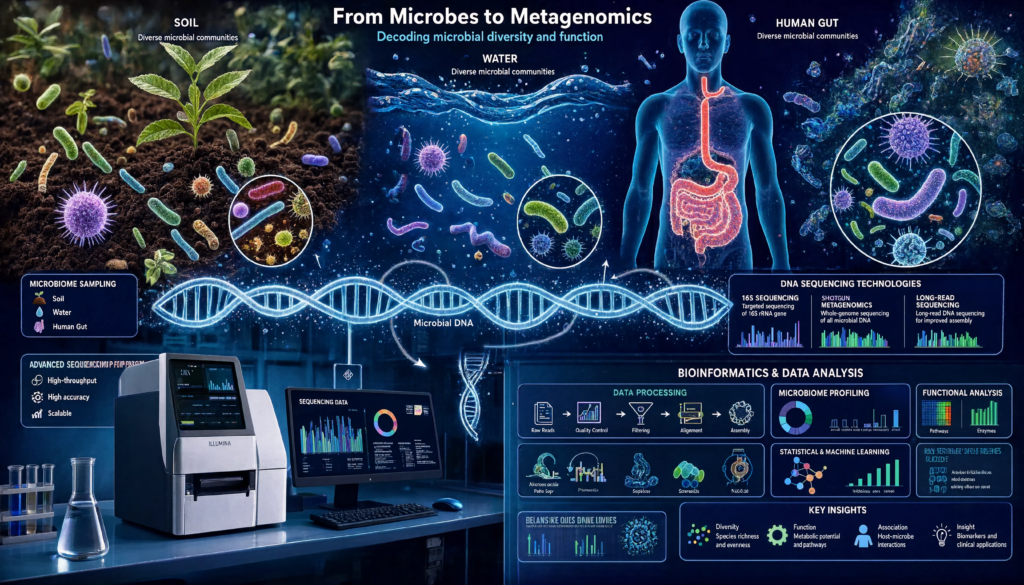
Next Generation Sequencing (NGS) has transformed modern cancer research by allowing scientists to investigate tumours at unprecedented resolution.
Researchers can now examine:
Whole Genome Sequencing (WGS)
Providing a comprehensive view of genetic alterations across the entire tumour genome.
Whole Exome Sequencing (WES)
Identifying mutations within protein-coding regions that may drive disease development.
RNA Sequencing (RNA-Seq)
Measuring gene expression patterns and uncovering biological pathways active within tumour cells.
Liquid Biopsy Analysis
Detecting circulating tumour DNA in blood samples for disease monitoring and treatment assessment.
These approaches enable researchers to identify molecular drivers of disease, investigate treatment resistance mechanisms, and discover biomarkers with clinical potential.
Proteomics and Kidney Cancer Biomarker Discovery
While genomics provides information about genetic alterations, proteomics reveals how those changes affect cellular function.
Proteins are the molecules responsible for carrying out biological processes within cells. Changes in protein abundance and activity often reflect disease progression more directly than DNA alterations alone.
Kidney cancer is particularly well suited to proteomic research because proteins released from tumours can potentially be detected in blood or urine samples.
Researchers are increasingly using advanced proteomics technologies to:
- Discover early detection biomarkers
- Monitor treatment response
- Predict disease progression
- Identify novel therapeutic targets
CPGR’s D-CYPHR proteomics platform supports these efforts using advanced mass spectrometry and protein profiling technologies, enabling high-resolution biomarker discovery studies.
Bioinformatics: Turning OMICS Data Into Clinical Insight
Modern cancer research generates enormous datasets that require sophisticated computational analysis.
Bioinformatics transforms genomic and proteomic data into meaningful biological insights through:
- Variant analysis
- Gene expression profiling
- Pathway enrichment analysis
- Molecular subtype classification
- Multi-omics integration
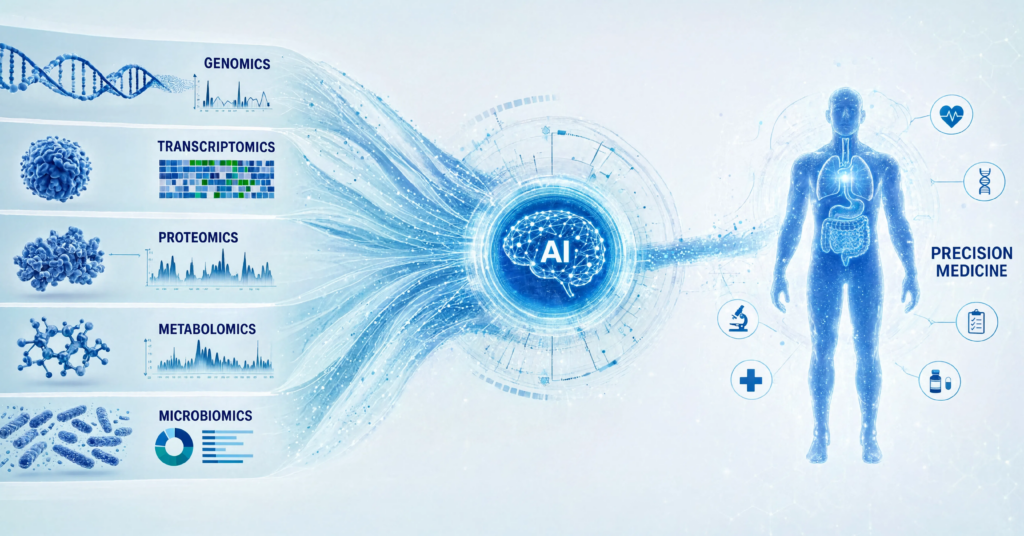
By combining genomics, transcriptomics, proteomics, and clinical information, researchers can build a more complete understanding of kidney cancer biology and identify patterns that may otherwise remain hidden.
This integrated approach is increasingly central to precision oncology.
CPGR’s End-to-End OMICS Platform for Kidney Cancer Research
CPGR provides South African researchers with access to a comprehensive OMICS ecosystem that supports every stage of kidney cancer research.
Services include:
Genomics
- Whole Genome Sequencing
- Whole Exome Sequencing
- RNA Sequencing
- Long-read sequencing applications
Proteomics
- Biomarker discovery
- Protein quantification
- Clinical proteomics research
Bioinformatics
- Data processing
- Variant interpretation
- Pathway analysis
- Multi-omics integration
Training and Capacity Building
Through CPGR Academy, researchers can gain practical skills in genomics, proteomics, and bioinformatics to strengthen local scientific capacity.
By integrating these capabilities under one roof, CPGR helps researchers move efficiently from sample collection to biological discovery.
The Future of Kidney Cancer Research in South Africa
The future of kidney cancer research lies in precision medicine.
As researchers generate more African genomic and proteomic data, opportunities will emerge to develop:
- Population-specific biomarkers
- Improved risk prediction models
- Personalised treatment strategies
- Earlier diagnostic tools
- More effective therapeutic interventions
These advances have the potential to significantly improve patient outcomes while contributing to a more inclusive global understanding of cancer biology.
Book a free Consultation With CPGR
Whether you’re investigating renal cell carcinoma, searching for novel biomarkers, planning a multi-omics oncology study, or exploring precision medicine applications, CPGR’s genomics, proteomics, and bioinformatics teams can help.
Book a consultation with our experts today to discuss your kidney cancer research project and discover how CPGR’s integrated OMICS platform can support your research goals. https://calendly.com/justin-naicker-cpgr/cpgr-chat