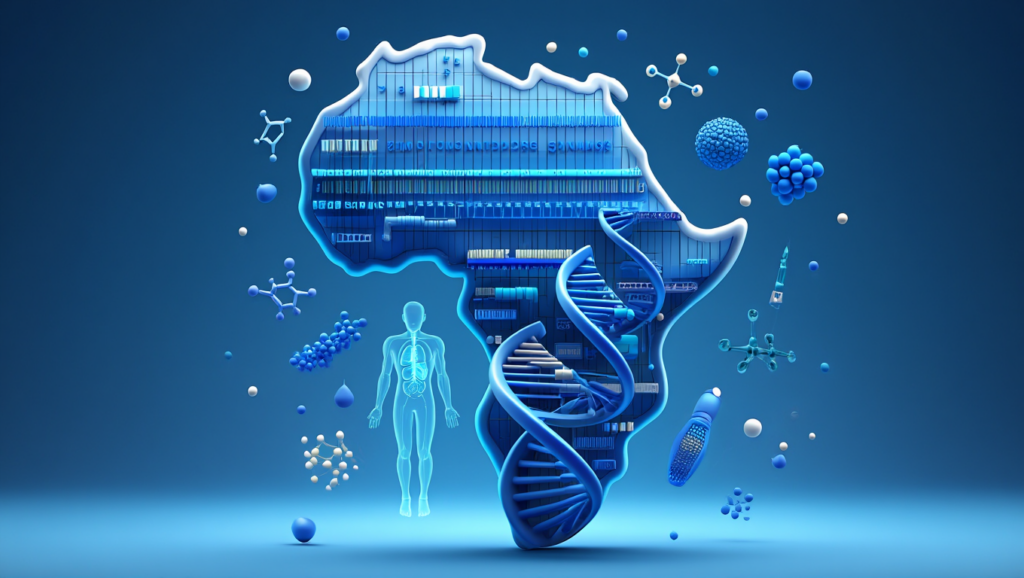
Every species carries a story written in its DNA.
From microorganisms to complex ecosystems, biodiversity forms the foundation of life on Earth. Yet today, biodiversity loss is accelerating at an unprecedented rate, driven by climate change, habitat destruction, pollution, and emerging environmental pressures. Understanding and protecting biodiversity has therefore become one of the most important scientific challenges of our time.
This is where genomics and other OMICS technologies are changing the landscape of biodiversity research.
What is Biodiversity Research?
Biodiversity research focuses on understanding the variety of life within ecosystems, species, and genetic populations. Traditionally, biodiversity studies relied heavily on field observation and morphological analysis. While these methods remain important, advances in molecular biology now allow scientists to study biodiversity at a far deeper level, the genome.
Through genomics, researchers can analyse the genetic makeup of organisms, track evolutionary relationships, identify species more accurately, and monitor environmental changes with greater precision.
The Role of Genomics in Biodiversity Science
Genomics has become a powerful tool in conservation and environmental research because it allows scientists to:
- Identify genetic variation within populations
- Detect endangered or invasive species
- Study ecosystem health
- Monitor microbial diversity
- Understand adaptation to environmental stressors
- Support conservation planning and restoration efforts
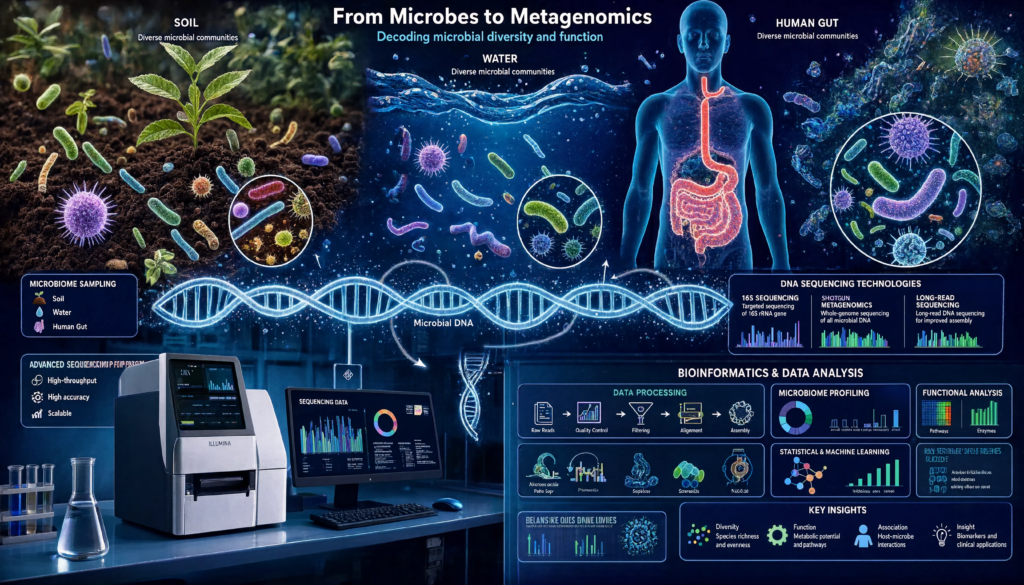
DNA sequencing technologies have also enabled researchers to study organisms that may be difficult to observe directly in nature. Environmental DNA (eDNA), for example, allows scientists to detect species from traces of genetic material found in water, soil, or air samples.
As sequencing technologies continue to advance, biodiversity research is becoming increasingly data-driven, scalable, and precise.
Beyond Genomics: The Rise of Multi-OMICS
Modern biodiversity research extends beyond DNA alone.
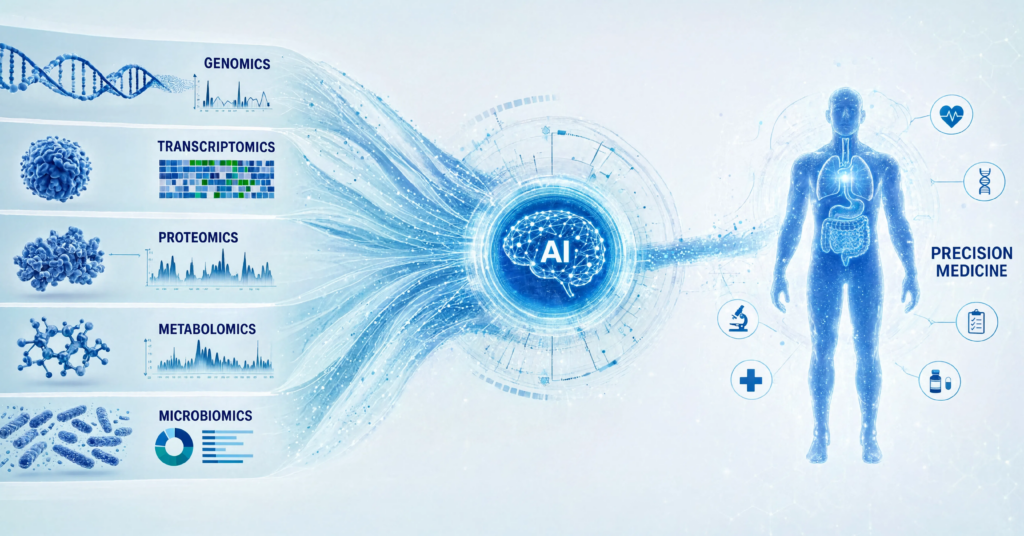
Multi-OMICS approaches combine genomics, transcriptomics, proteomics, and metabolomics to provide a more complete understanding of biological systems and ecosystem interactions.
These technologies help researchers answer complex questions such as:
- How do organisms respond to environmental change?
- Which genes are active under specific conditions?
- How do proteins and metabolites influence ecosystem function?
- What biological pathways are involved in adaptation and resilience?
By integrating multiple layers of biological information, researchers can move beyond simply identifying organisms to understanding how they function within dynamic ecosystems.
Supporting Biodiversity Research Through Advanced OMICS Technologies
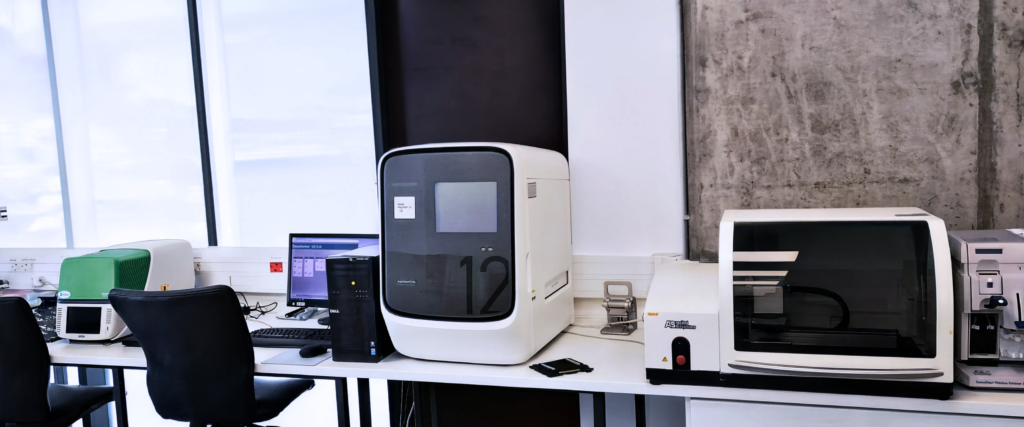
At CPGR, we support researchers through advanced genomics, proteomics, and bioinformatics capabilities that enable high-quality biological data generation and analysis.
Our technologies support a wide range of scientific applications, including:
- Genome sequencing
- Metagenomics
- Microbial diversity studies
- Transcriptomics
- Proteomics analysis
- Bioinformatics and data interpretation
By providing access to advanced molecular research infrastructure and expertise, CPGR contributes to scientific discovery across health, agriculture, environmental science, and biodiversity research.
Why Biodiversity Research Matters
Protecting biodiversity is about more than conservation alone. Biodiversity supports ecosystem stability, food systems, public health, climate resilience, and scientific innovation.
As global environmental challenges continue to grow, genomics and OMICS technologies will play an increasingly important role in helping researchers generate the knowledge needed to understand and protect the natural world.
Every sequence, dataset, and discovery contributes to a broader understanding of life on Earth and to the scientific efforts shaping a more sustainable future.