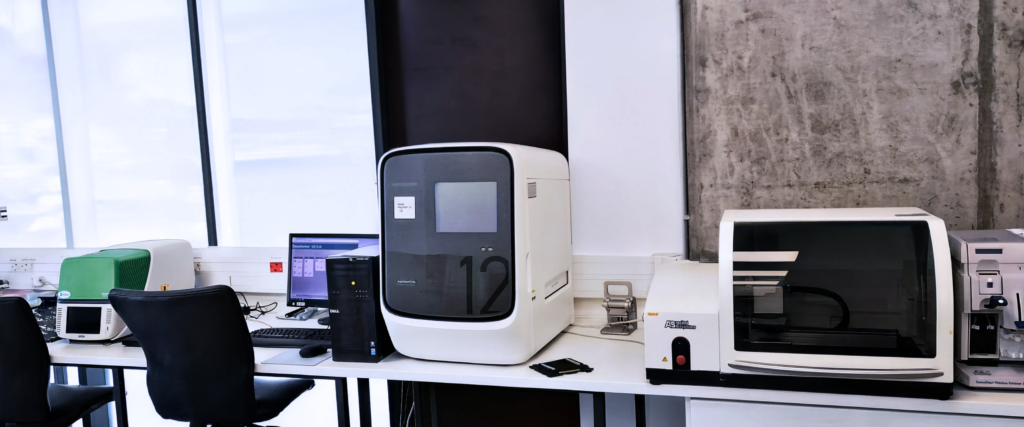
Precision medicine is transforming global healthcare, but its success in Africa depends on access to advanced genomic technologies. Next Generation Sequencing South Africa is playing a critical role in enabling this shift, allowing researchers and clinicians to generate high-resolution genomic data that supports more accurate diagnosis, targeted therapies, and improved patient outcomes.
As genomics research continues to expand across the continent, Next Generation Sequencing (NGS) is becoming a cornerstone of precision medicine in Africa, supporting both scientific discovery and clinical innovation.
What Is Precision Medicine?
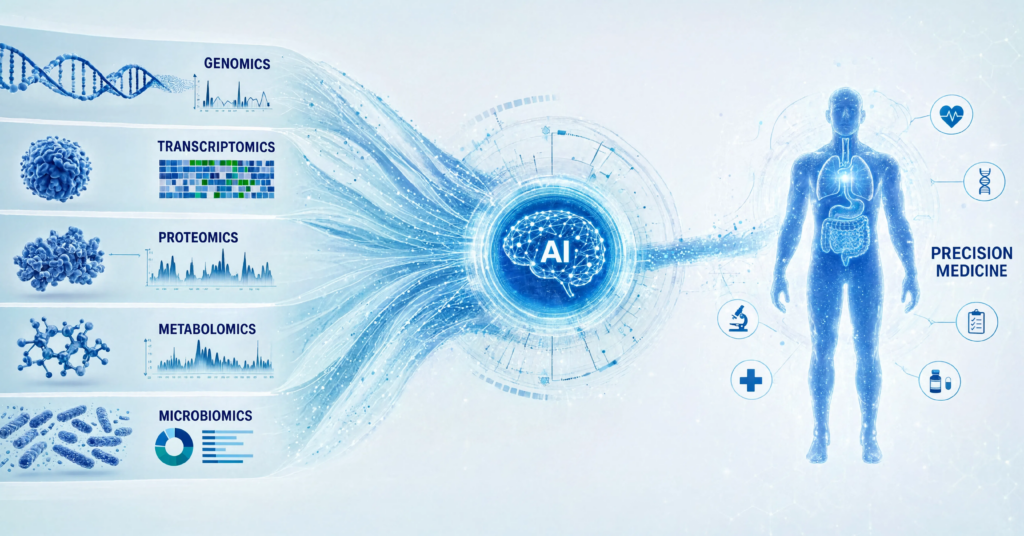
Precision medicine is an approach to healthcare that tailors treatment and prevention strategies to individuals or sub-populations based on genetic profile, environment, and lifestyle.
Unlike traditional models of care, precision medicine enables:
- Personalised treatment strategies
- More accurate disease diagnosis
- Improved risk prediction
- Targeted therapeutic interventions
At the core of this approach is the ability to analyse genomic data, making sequencing technologies essential for its success.
What Is Next Generation Sequencing?
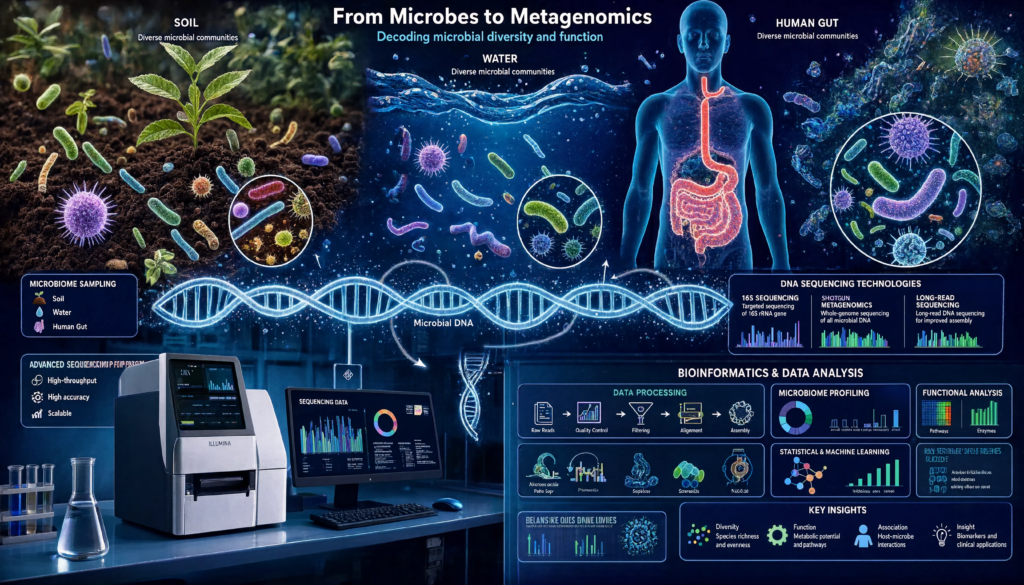
Next generation sequencing (NGS) is a sophisticated approach to genome sequencing that enables the rapid sequencing of DNA and RNA, generating large volumes of genomic data in a cost-effective and scalable way.
In the context of Next Generation Sequencing South Africa, NGS produces:
- Whole genome sequencing
- Targeted sequencing panels
- Transcriptomics analysis
- Detection of genetic variants across populations
These capabilities provide the foundation for precision medicine by enabling comprehensive genomic analysis at scale.
How Next Generation Sequencing South Africa Enables Precision Medicine
The impact of Next Generation Sequencing South Africa on precision medicine is significant, particularly in enabling deeper understanding of disease at the molecular level.
1. Improving Disease Diagnosis
NGS allows for the identification of genetic mutations associated with a wide range of diseases. This improves diagnostic accuracy, particularly for rare and complex conditions that are difficult to detect using traditional methods.
2. Enabling Targeted Treatment Strategies
By identifying specific genetic variants, NGS supports the development of therapies tailored to individual patients, improving treatment effectiveness and reducing adverse outcomes.
3. Advancing Cancer Genomics
In oncology, NGS enables the identification of tumour-specific mutations, supporting precision oncology approaches and helping guide treatment decisions.
4. Supporting Infectious Disease Research
NGS is widely used to study pathogens, track disease outbreaks, and understand transmission patterns, making it essential for public health and epidemiological research in Africa.
5. Enabling Population Genomics Research
NGS supports large-scale studies of genetic diversity, allowing researchers to better understand population-specific genetic variation and its impact on health and disease.
Why Precision Medicine Matters in Africa
Africa is home to the most genetically diverse populations globally. However, this diversity has historically been underrepresented in genomic research, limiting the effectiveness of global healthcare solutions in African contexts.
Next Generation Sequencing South Africa is helping to address this gap by:
- Generating locally relevant genomic data
- Supporting African-led genomics research
- Improving understanding of disease across diverse populations
- Enabling more equitable and inclusive healthcare solutions
Precision medicine in Africa depends on building genomic datasets that reflect the continent’s diversity.
Challenges in Implementing Precision Medicine in Africa
Despite its potential, several challenges remain in scaling precision medicine across the continent:
- Limited access to sequencing infrastructure
- High costs associated with large-scale genomic studies
- Shortage of specialised bioinformatics expertise
- Underrepresentation in global genomic datasets
- Ethical, legal, and regulatory considerations
Addressing these challenges requires collaboration across research institutions, healthcare systems, and technology providers.
The Future of Precision Medicine and Genomics Research in Africa
The future of healthcare in Africa is increasingly data-driven, with genomics playing a central role in shaping clinical practice and research.
As Next Generation Sequencing South Africa continues to expand, it will enable:
- Broader access to genomic technologies
- Integration of genomics into clinical care
- Improved disease prevention strategies
- Growth of precision medicine initiatives across the continent
These advancements are positioning Africa as an important contributor to global genomics research.
Supporting Precision Medicine with Advanced Genomics
At CPGR, Next Generation Sequencing services support researchers and clinicians in generating high-quality genomic data for a wide range of applications.
By combining advanced sequencing technologies with expert data analysis, CPGR helps drive precision medicine and genomics research in South Africa and beyond.
👉Book a free consultation: https://www.cpgr.org.za/cpgr-connect/#free