Proteomics is revolutionizing how scientists study life, offering powerful insights into the proteins that drive every biological process. In South Africa, proteomics is becoming a cornerstone in medical research, agriculture, environmental studies, and biotechnology innovation. With world-class facilities and growing expertise, researchers in the country are using this technology to address both local and global scientific challenges.
If you are new to the field, our complete guide to Proteomics South Africa offers an in-depth look at the tools, techniques, and applications shaping the local landscape.
What Is Proteomics?
Proteomics is the large-scale study of proteins — the molecules that perform most of the work in cells. While genomics looks at DNA (the blueprint), proteomics focuses on proteins (the workers), examining how they function, interact, and change under different conditions.
Proteins are not static. They are dynamic molecules whose levels and structures can vary depending on environmental conditions, disease states, or developmental stages. Studying them provides a real-time snapshot of biological activity, often revealing changes that genomic analysis alone cannot detect.
How Proteomics Works
Proteomics typically involves several key steps:
- Sample Collection – Proteins are extracted from biological material such as blood, tissue, or cells.
- Protein Separation and Identification – Techniques such as gel electrophoresis, liquid chromatography, and mass spectrometry are used to separate and analyze proteins.
- Quantitative Analysis – Researchers determine how much of each protein is present, which can help identify biomarkers for disease or changes in biological pathways.
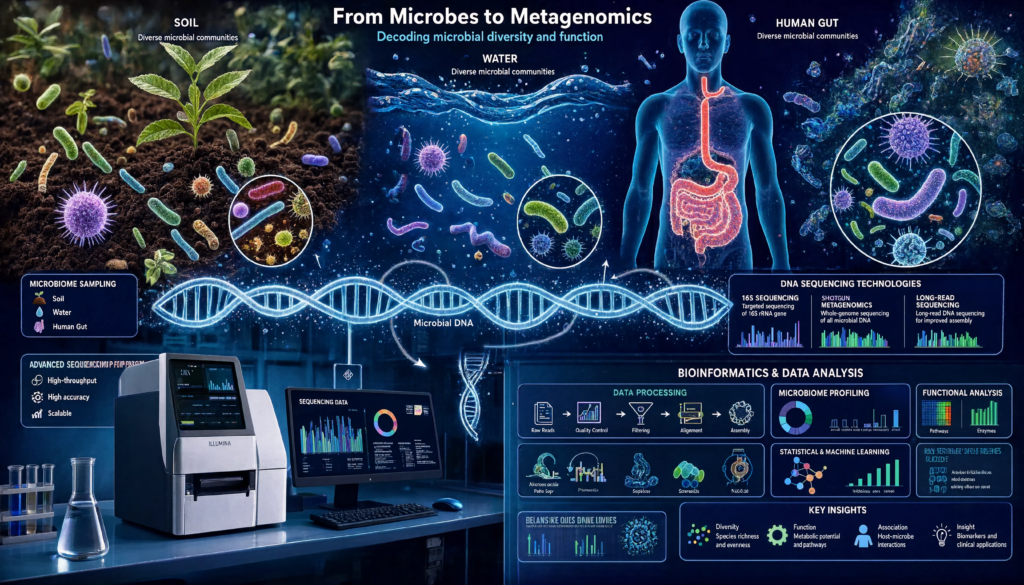
- Data Interpretation – Bioinformatics tools interpret the vast data sets, identifying patterns, interactions, and biological significance.
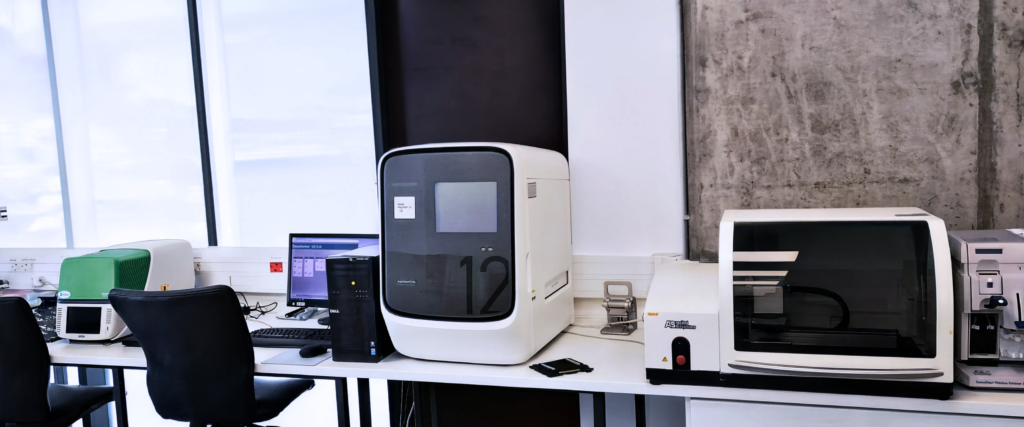
Modern proteomics is heavily reliant on mass spectrometry, a method that allows precise identification and quantification of proteins, even in complex mixtures.
The Rise of Proteomics in South Africa
Over the past decade, South Africa has seen significant growth in proteomics infrastructure and expertise. Universities, research institutes, and private facilities have invested in cutting-edge mass spectrometry systems and bioinformatics resources. The Proteomics South Africa community is now contributing to global research while addressing local health and environmental challenges.
Applications range from studying infectious diseases like tuberculosis and HIV to agricultural biotechnology aimed at improving crop resilience. This expansion has been supported by organizations like the Centre for Proteomic and Genomic Research (CPGR), which provides world-class services to local and international clients.
Key Applications of Proteomics in South Africa
1. Medical Research
Proteomics is helping identify protein biomarkers that could enable earlier diagnosis of diseases such as cancer, cardiovascular disorders, and infectious diseases. By understanding the protein changes associated with disease progression, researchers can design more effective treatments.
2. Public Health
South African researchers are using proteomics to study how pathogens interact with their hosts, leading to improved vaccines and therapeutics. This is especially relevant in a country with high burdens of HIV, TB, and malaria.
3. Agriculture
Proteomics can identify proteins linked to drought resistance, pest resistance, or higher nutritional value in crops. This knowledge supports the development of more resilient and sustainable agricultural systems.
4. Environmental Science
Proteomics is used to monitor how environmental changes — such as pollution or climate shifts — affect ecosystems. Studying protein expression in indicator species can reveal early signs of ecological stress.
Advantages of Proteomics
Proteomics offers several advantages over other molecular biology approaches:
- Dynamic Data – Unlike DNA, which remains relatively static, proteins provide a real-time view of biological processes.
- Functional Insight – Proteomics reveals not just genetic potential, but actual molecular activity.
- Biomarker Discovery – Identifying proteins linked to disease can improve diagnostics and targeted therapies.
- Comprehensive Analysis – Modern proteomics can detect thousands of proteins simultaneously, offering a systems-level understanding.
Accessing Proteomics Services in South Africa
For researchers and businesses looking to explore proteomics, there are several well-equipped facilities offering advanced services. The CPGR Proteomics page outlines available capabilities, from mass spectrometry analysis to data interpretation support.
The CPGR, based in Cape Town, is one of the leading providers, delivering high-quality, reproducible proteomics data for applications ranging from basic research to industrial R&D.
Challenges in Proteomics Research
While proteomics has enormous potential, it also comes with challenges:
- Data Complexity – The sheer volume of data requires robust computational tools and expertise.
- Sample Preparation – Proteins are chemically diverse and sensitive, making sample preparation critical.
- Cost – High-end instruments and skilled personnel are essential, which can make proteomics studies expensive.
- Standardization – Ensuring consistent methods and quality control is vital for reproducible results.
South African research institutions are working to overcome these challenges through training programs, shared facilities, and collaborations.
The Future of Proteomics in South Africa
Proteomics in South Africa is poised for rapid growth, driven by:
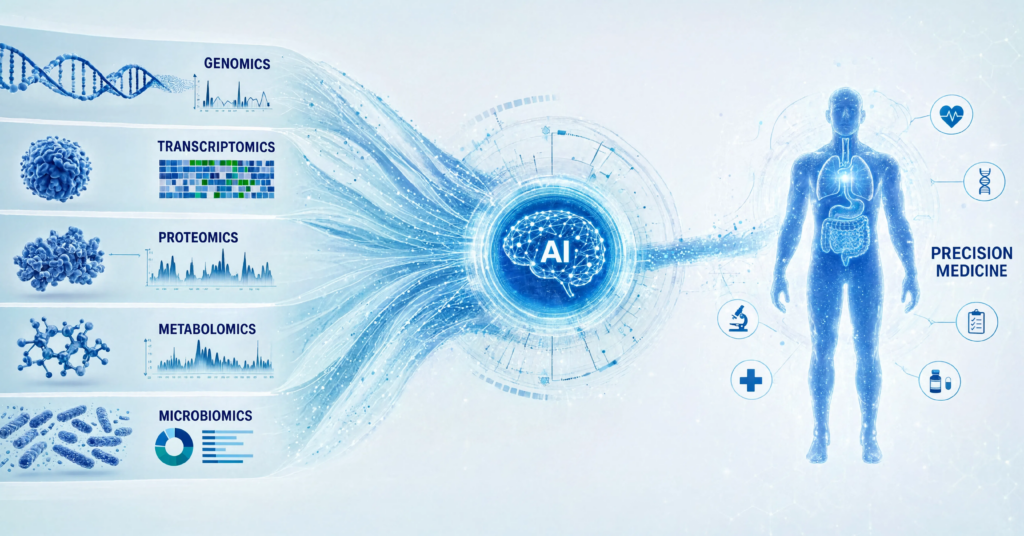
- Integration with Genomics – Combining protein and genetic data for deeper insights.
- Precision Medicine – Personalizing treatments based on a patient’s proteomic profile.
- Industrial Applications – Using proteomics in biotechnology, food safety, and environmental monitoring.
- AI-Driven Analysis – Employing artificial intelligence to analyze complex proteomics data more efficiently.
As the technology becomes more affordable and accessible, we can expect wider adoption across both academic and industrial sectors.
Frequently Asked Questions
1. What is proteomics and how does it work?
Proteomics is the large-scale study of proteins — their structures, functions, and interactions. It typically uses mass spectrometry and bioinformatics to identify and quantify proteins in biological samples, providing insight into cellular processes in real time.
2. How is proteomics used in South African research?
South African scientists use proteomics in health research, agriculture, and environmental science. Applications include biomarker discovery for diseases, improving crop resilience, and monitoring ecological health.
3. What are the advantages of proteomics?
Proteomics offers dynamic, functional data, enabling researchers to study the actual biological activity rather than just genetic potential. It supports early disease detection, targeted treatments, and a systems-level view of biology.
4. Where can I access proteomics services in South Africa?
Facilities like the CPGR Proteomics page offer advanced proteomics services. The CPGR provides mass spectrometry, quantitative proteomics, and bioinformatics support for both research and industry.
5. Is proteomics suitable for clinical applications?
Yes. Proteomics is increasingly used in clinical research for diagnostics, prognostics, and monitoring treatment responses. While still emerging in routine care, it holds strong potential for personalized medicine.
Conclusion
Proteomics is transforming South African research, offering unmatched insights into the proteins that power life. From improving healthcare to advancing agriculture, its applications are both broad and impactful. As infrastructure and expertise continue to grow, South Africa is well-positioned to become a leading hub for proteomics innovation.
If you want to dive deeper, explore our complete guide to Proteomics South Africa or visit the CPGR Proteomics page to see how you can access world-class proteomics services today.
FAQs:
What is proteomics and how does it work?
How is proteomics used in South African research?
What are the advantages of proteomics?
Where can I access proteomics services in South Africa?
Is proteomics suitable for clinical applications?