Proteomics in South Africa has rapidly evolved, and CPGR (Centre for Proteomic and Genomic Research) is at the forefront of this transformation. With the growing demand in biomedical research, agriculture, and biotechnology, understanding proteomics is crucial for scientific advancement. This complete guide to proteomics in South Africa aims to help you navigate the field, explore the technologies available, and understand CPGR’s pivotal role in the region.
What is Proteomics and Why Does It Matter?
Proteomics is the large-scale study of proteins—the essential molecules that perform a variety of functions in every living organism. Unlike the genome, which is relatively stable, the proteome is dynamic and constantly changing in response to the environment, diseases, and treatments.
In South Africa, proteomics plays a vital role in tackling regional health challenges such as tuberculosis, HIV, cancer, and malnutrition. It also supports innovation in agriculture, veterinary science, and food technology.
CPGR brings global standards to local labs by providing cutting-edge proteomics services that contribute to both academic and commercial breakthroughs.
Proteomics in South Africa: The Growing Importance
Proteomics Applications in South Africa
In South Africa, proteomics is applied in various fields:
- Medical diagnostics and biomarker discovery
- Pharmaceutical and vaccine development
- Crop improvement and pest resistance
- Environmental and microbial research
Thanks to organizations like CPGR, the accessibility of advanced proteomics platforms has significantly improved, enabling local researchers to decode protein behavior and disease mechanisms with unprecedented detail.
CPGR – Empowering Proteomics Innovation in South Africa
Who Is CPGR?
CPGR is a not-for-profit company based in Cape Town, South Africa. It operates as a hub for innovation and precision medicine by offering world-class omics technology platforms, including genomics, transcriptomics, and proteomics.
With strong ties to government, academia, and industry, CPGR delivers customized solutions to suit various scientific and industrial needs, including complete proteomics workflows for clients across Africa.
Technologies Used by CPGR for Proteomics
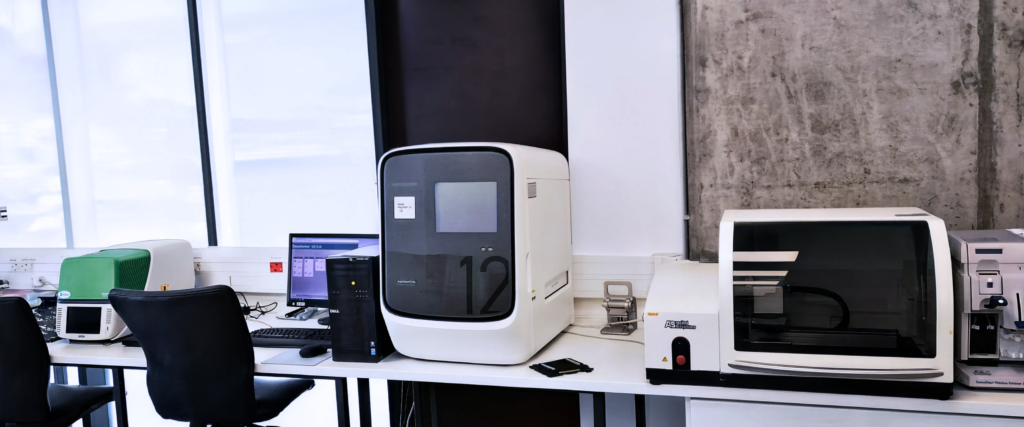
To ensure reliable and reproducible results, CPGR uses state-of-the-art instrumentation and validated protocols, including:
- Mass Spectrometry (MS)
- Liquid Chromatography (LC-MS/MS)
- Protein Microarrays
- Bioinformatics and Data Analysis Pipelines
These platforms help uncover protein structure, function, post-translational modifications, and interactions in diverse biological samples.
Whether you are working on human health or environmental research, CPGR offers comprehensive proteomics services in South Africa tailored to your needs.
How CPGR Supports Research and Industry in South Africa
CPGR’s proteomics services benefit a wide range of sectors:
1. Healthcare and Medical Research
From identifying biomarkers for early disease detection to studying drug resistance mechanisms, CPGR assists healthcare researchers with robust proteomics data to accelerate discoveries.
2. Agricultural and Food Sciences
South African agricultural researchers rely on proteomics to improve crop yield, resist drought, and understand plant-pathogen interactions. CPGR provides the tools and analysis expertise needed to translate raw data into actionable insights.
3. Training and Capacity Building
CPGR not only provides services but also empowers local researchers through workshops and mentorship programs. This helps build a skilled workforce capable of operating complex proteomic systems and interpreting high-throughput data.
Why Choose CPGR for Proteomics in South Africa?
Choosing CPGR means choosing:
- High-quality data
- Cutting-edge technology
- Customized service
- Ethical and transparent project handling
- Local support with international expertise
With a focus on South Africa’s research and development goals, CPGR is committed to helping you turn complex protein data into real-world solutions.
Frequently Asked Questions
What is proteomics used for in South Africa?
Proteomics in South Africa is used in healthcare, agriculture, veterinary sciences, and environmental studies to improve outcomes and discover solutions tailored to local challenges.
How does CPGR support proteomics research?
CPGR provides advanced proteomics platforms, expert analysis, and training to support research across South Africa and the African continent.
Can private companies access CPGR’s proteomics services?
Yes. CPGR offers tailored services for both academic institutions and private sector clients, including biotechnology startups and pharma companies.
Is proteomics expensive in South Africa?
Costs vary depending on the project. CPGR aims to offer cost-effective proteomics solutions without compromising quality.
How do I get started with proteomics at CPGR?
You can visit www.cpgr.org.za and contact their support team to discuss your project requirements and get a custom quote.
Final Thoughts
As scientific research in Africa continues to grow, proteomics services in South Africa become more essential than ever. With CPGR leading the charge, researchers now have access to globally competitive resources right at their doorstep. Whether you’re investigating a new therapeutic or improving crop resilience, CPGR’s proteomics platform ensures your discoveries are backed by precision, power, and expertise.
To learn more or book a consultation, visit https://www.cpgr.org.za today and unlock the potential of proteomics in South Africa.