Bioinformatics South Africa is a rapidly growing field that integrates biology, computer science, and statistics to analyze and interpret complex biological data. At CPGR, we specialize in delivering advanced bioinformatics services to researchers, institutions, and healthcare organizations across the country. Our expertise supports everything from genomic research to clinical applications, helping South Africa remain at the forefront of scientific innovation.
What is Bioinformatics?
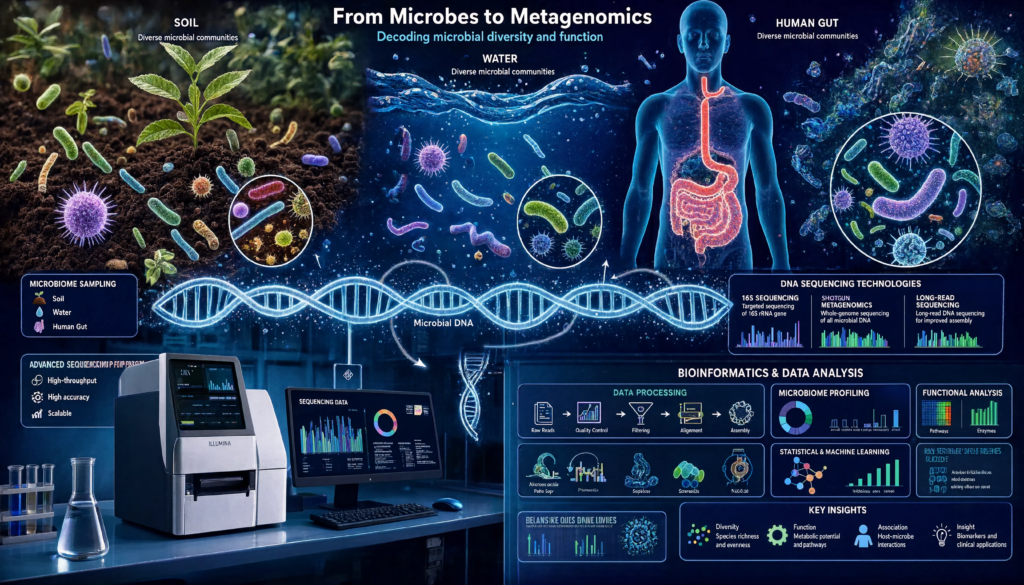
Bioinformatics is the science of collecting, analyzing, and interpreting biological data using computational tools. This includes analyzing DNA sequences, studying gene expression, predicting protein structures, and understanding molecular interactions. In South Africa, bioinformatics plays a vital role in advancing medical research, agriculture, and biodiversity studies.
Learn more about our Genomics Services that integrate with bioinformatics for deeper biological insights.
The Role of Bioinformatics in South Africa’s Research Landscape
Bioinformatics South Africa has seen significant growth over the past decade. With the country’s diverse population and rich biodiversity, there is an enormous amount of genetic information to study. CPGR is at the center of this movement, enabling scientists to transform raw data into actionable insights.
Our work supports various research areas:
- Medical Genomics: Identifying genetic markers for diseases common in South Africa.
- Agricultural Genomics: Improving crop resilience and livestock health.
- Biodiversity Studies: Protecting endangered species using genetic mapping.
For environmental and biodiversity-focused projects, explore our Next-Generation Sequencing (NGS) capabilities.
CPGR’s Bioinformatics Expertise
At CPGR, we offer end-to-end bioinformatics services in South Africa. Our team of skilled data scientists, bioinformaticians, and researchers utilize advanced computational tools to process and analyze large datasets.
Some of our specialized services include:
- Genome sequencing and annotation
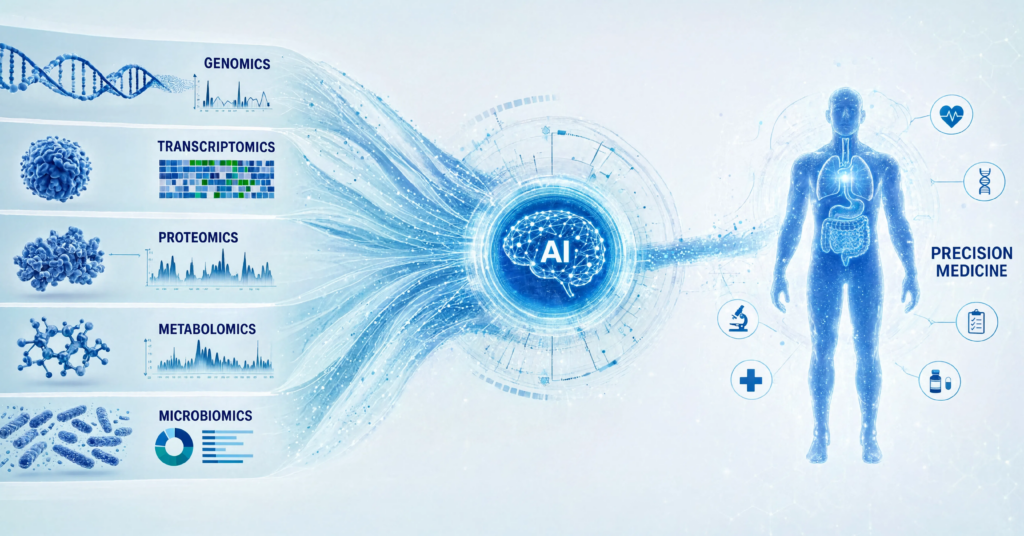
- Transcriptomics and proteomics data analysis
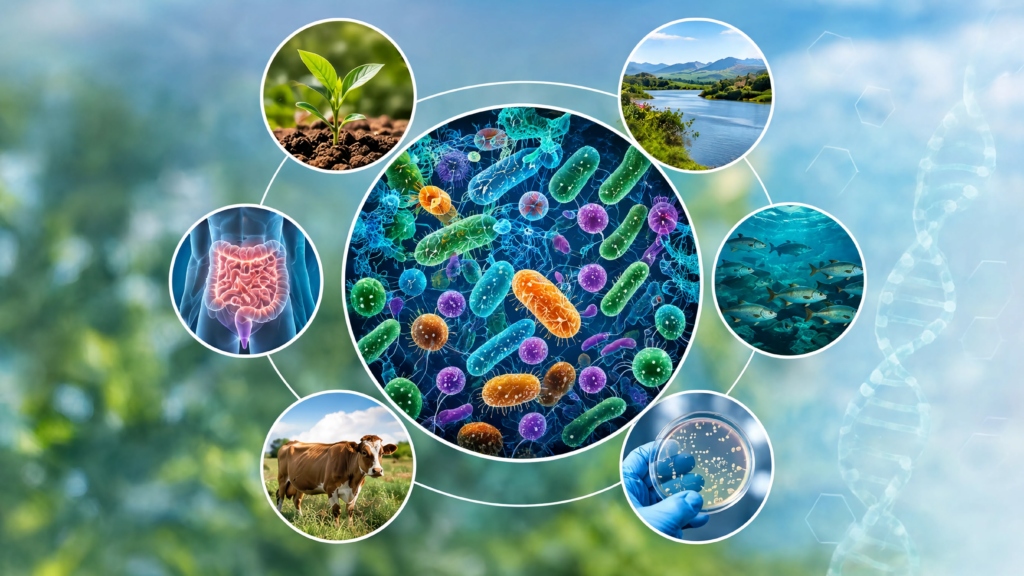
- Metagenomics for environmental and clinical studies
- Data visualization and interpretation reports
By integrating these capabilities, we help South African researchers accelerate their projects and publish high-impact results.
Bioinformatics in Genomics and Clinical Applications
Bioinformatics South Africa is particularly impactful in genomics and clinical research. Genomics studies are data-intensive, and without advanced computational analysis, extracting meaningful insights would be impossible.
In clinical applications, bioinformatics helps:
- Detect genetic predispositions to diseases
- Personalize treatment plans based on patient genomics
- Monitor disease outbreaks through genome tracking
CPGR’s bioinformatics team ensures data integrity, accuracy, and compliance with ethical research guidelines in South Africa.
Why Bioinformatics is Important for South Africa
The growth of bioinformatics South Africa is driven by several factors:
- Population diversity: South Africa’s genetic variation provides valuable insights for global research.
- Healthcare needs: Bioinformatics supports early diagnosis and targeted therapies.
- Environmental challenges: Climate change and biodiversity loss require data-driven conservation solutions.
By applying bioinformatics, South Africa is building research capacity that meets both local and global scientific challenges.
Our Commitment to South African Researchers
At CPGR, we are committed to making bioinformatics South Africa accessible, affordable, and impactful. We collaborate with universities, research institutes, and government agencies to provide tailored bioinformatics solutions.
We also invest in capacity building, offering training workshops to equip South African researchers with essential bioinformatics skills.
Bioinformatics for Innovation in Agriculture
Agricultural sustainability is a pressing concern in South Africa. Bioinformatics South Africa is transforming agriculture by enabling:
- Crop genome analysis for disease resistance
- Livestock genetic improvement
- Pest and pathogen genome tracking
CPGR’s bioinformatics solutions help farmers and agricultural researchers enhance productivity and sustainability.
Challenges and Opportunities in Bioinformatics South Africa
While the field has immense potential, challenges remain:
- Limited local bioinformatics training opportunities
- Need for high-performance computing infrastructure
- Funding constraints for research projects
CPGR addresses these challenges by offering scalable bioinformatics services and partnerships that provide access to cutting-edge technologies.
The Future of Bioinformatics in South Africa
The future of bioinformatics South Africa is promising. With advances in AI, cloud computing, and big data analytics, CPGR is positioned to deliver faster, more accurate results for complex biological datasets.
We envision a future where bioinformatics is integrated into every research and clinical workflow, empowering scientists to solve pressing health, environmental, and agricultural problems.
FAQs About Bioinformatics South Africa
What is bioinformatics and how does it work?
Bioinformatics uses computational tools to store, analyze, and interpret biological data, turning raw information into actionable insights.
How is bioinformatics used in South African research?
It supports genomics, biodiversity studies, agriculture, and clinical research by providing accurate data analysis.
What are the advantages of bioinformatics?
It speeds up research, reduces costs, and provides precise insights that improve scientific and medical outcomes.
Where can I access bioinformatics services in South Africa?
You can access expert bioinformatics services through CPGR, a leading provider in South Africa.
Is bioinformatics suitable for clinical applications?
Yes, it is widely used for genetic testing, personalized medicine, and disease outbreak monitoring.
FAQs:
What is bioinformatics and how does it work?
How is bioinformatics used in South African research?
What are the advantages of bioinformatics?
Where can I access bioinformatics services in South Africa?
Is bioinformatics suitable for clinical applications?