Biological systems are remarkably complex. A person’s health is rarely determined by a single gene, protein or environmental factor. Instead, diseases develop through intricate interactions between DNA, RNA, proteins, metabolites, immune responses and external influences that continuously shape biological function.
For many years, researchers investigated these molecular layers independently. While studying the genome could reveal inherited genetic variants, it could not explain why some genes were active while others remained silent. Similarly, analysing proteins provided insight into cellular function but offered only part of the biological picture.
Today, biomedical research is moving beyond this fragmented approach.
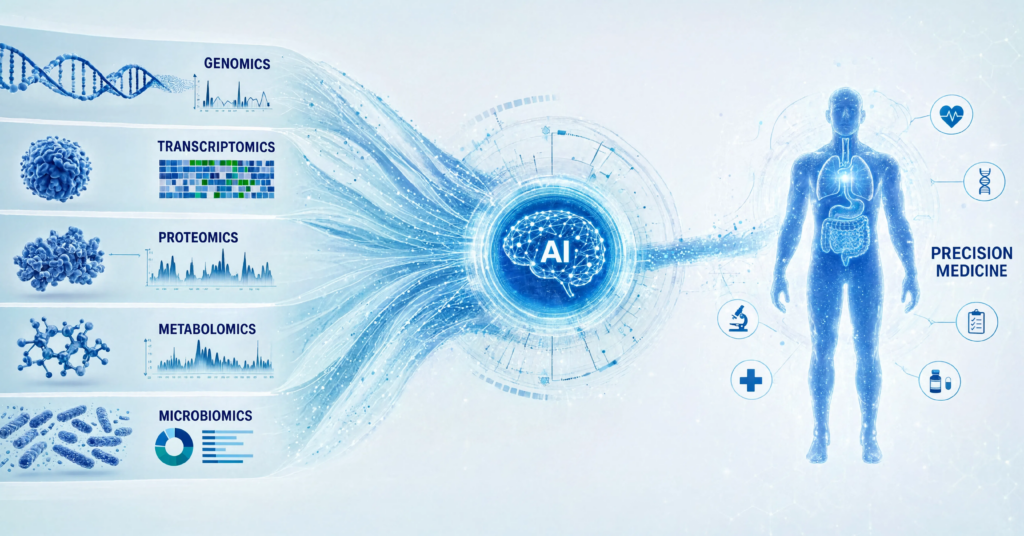
The emergence of multi-OMICs integration is enabling researchers to combine information from multiple biological datasets, including genomics, transcriptomics, proteomics, metabolomics and bioinformatics to build a more comprehensive understanding of how biological systems function in health and disease.
At the same time, advances in artificial intelligence (AI) are transforming how these complex datasets are analysed. Rather than manually interpreting millions of data points, researchers can now use AI-driven algorithms to identify hidden biological relationships, predict disease progression and uncover potential therapeutic targets that may otherwise remain undiscovered.
Together, AI and multi-OMICs are reshaping precision medicine by enabling scientists to move beyond simply identifying genetic changes towards understanding the biological mechanisms that drive disease. This integrated perspective is opening new opportunities for earlier diagnosis, more targeted therapies and personalised healthcare strategies.
Why Biology Can No Longer Be Studied in Isolation
Imagine trying to understand how a city functions by looking only at its road network. While the roads reveal how different areas are connected, they tell us very little about the people who live there, the businesses that operate within the city or how traffic changes throughout the day.
Biology works in much the same way.
The genome provides the blueprint for life, but genes alone do not determine how cells behave. Gene expression changes in response to environmental factors, proteins carry out essential cellular functions, metabolites reflect ongoing biochemical activity and interactions between these molecular layers influence health and disease.
Studying only one of these components can answer specific research questions, but it rarely captures the complexity of living systems.
This has become particularly important in diseases such as cancer, diabetes, cardiovascular disease and neurodegenerative disorders, where multiple biological processes occur simultaneously. Researchers increasingly recognise that understanding these conditions requires analysing how different molecular layers interact rather than investigating each one independently.
Multi-OMICs integration addresses this challenge by connecting complementary datasets into a unified biological framework, enabling researchers to explore relationships that would remain hidden in isolated analyses.
From Data Generation to Knowledge Discovery
One of the greatest challenges facing modern life sciences is no longer generating biological data, it is interpreting it.
Advances in sequencing and analytical technologies have dramatically increased the amount of data produced by a single research project. A study may include whole genome sequencing, RNA sequencing, quantitative proteomics and metabolomic profiling, each generating thousands to millions of individual measurements.
Viewed independently, each dataset provides valuable information. Combined, however, they reveal a far richer picture of biological function.
For example, researchers investigating cancer might identify a DNA mutation through genomics, observe changes in gene expression using transcriptomics, measure altered protein abundance through proteomics and detect shifts in metabolic pathways using metabolomics. Integrating these findings helps distinguish biologically meaningful changes from isolated observations, leading to a more complete understanding of disease mechanisms.
This shift from data generation to knowledge discovery is one of the defining characteristics of modern biomedical research. The goal is no longer to collect more data, but to connect multiple layers of biological information to answer increasingly complex scientific questions.
Artificial Intelligence Is Unlocking the Full Potential of Multi-OMICs
Generating large-scale OMICS datasets is no longer the greatest challenge in biomedical research. Today, researchers have access to unprecedented amounts of genomic, proteomic and other molecular data. The real challenge lies in transforming these complex datasets into meaningful biological insights.
A single multi-OMICs study can generate billions of data points across different molecular layers. Analysing these datasets manually or even using conventional statistical methods, can be time-consuming and may fail to capture subtle biological relationships.
This is where artificial intelligence (AI) is changing the landscape.
By applying machine learning and advanced computational models, researchers can analyse complex multi-OMICs datasets more efficiently, uncover hidden patterns and identify interactions that would be difficult to detect through traditional analytical approaches. Rather than replacing scientific expertise, AI serves as a powerful decision-support tool, helping researchers generate hypotheses, prioritise discoveries and accelerate biological interpretation.
Recent advances in AI-enabled multi-OMICs integration have demonstrated its potential to improve disease classification, identify clinically relevant biomarkers and support the development of more personalised therapeutic strategies, particularly in complex diseases where multiple molecular processes occur simultaneously.
From Correlation to Biological Understanding
One of the greatest strengths of AI is its ability to identify relationships across multiple biological datasets rather than analysing each dataset in isolation.
For example, a researcher investigating a complex disease may have access to:
- Genomic variants identified through DNA sequencing.
- Gene expression profiles generated using transcriptomics.
- Protein abundance measured through proteomics.
- Clinical information describing disease progression.
- Patient treatment outcomes.
Individually, each dataset provides valuable information. However, AI algorithms can integrate these diverse data sources to reveal biological connections that may not be apparent through conventional analysis.
This enables researchers to move beyond simple correlations and develop a deeper understanding of the molecular mechanisms driving disease.
Instead of asking “Which gene is associated with this condition?”, researchers can begin asking more sophisticated questions:
- Which molecular pathways are disrupted?
- How do genetic changes influence protein activity?
- Which biological signatures predict treatment response?
- What combinations of biomarkers provide the most accurate diagnosis?
These insights are helping shift biomedical research from descriptive studies towards predictive and mechanistic science.
Advancing Precision Medicine Through Integrated Insights
Precision medicine aims to provide the right treatment for the right patient at the right time. Achieving this goal requires a comprehensive understanding of the biological factors that contribute to disease in each individual.
AI-enabled multi-OMICs integration is playing a central role in advancing this vision.
By combining information from genomics, proteomics, transcriptomics and other OMICS disciplines, researchers can identify complex molecular signatures that improve patient stratification and support more informed clinical decision-making.
Current research demonstrates that integrated AI-driven analyses are contributing to advances in areas such as:
- Cancer research, where molecular profiles help identify tumour subtypes and potential therapeutic targets.
- Rare disease diagnosis, by integrating genomic and phenotypic information to improve diagnostic accuracy.
- Infectious disease research, through the analysis of host-pathogen interactions and immune responses.
- Drug discovery, by identifying novel biomarkers and predicting treatment efficacy.
- Population health studies, where large-scale multi-OMICs datasets reveal disease risk factors across diverse populations.
Rather than relying on a single biomarker, researchers are increasingly using integrated molecular signatures to better understand disease complexity and support the development of personalised healthcare strategies.
The Growing Importance of Bioinformatics
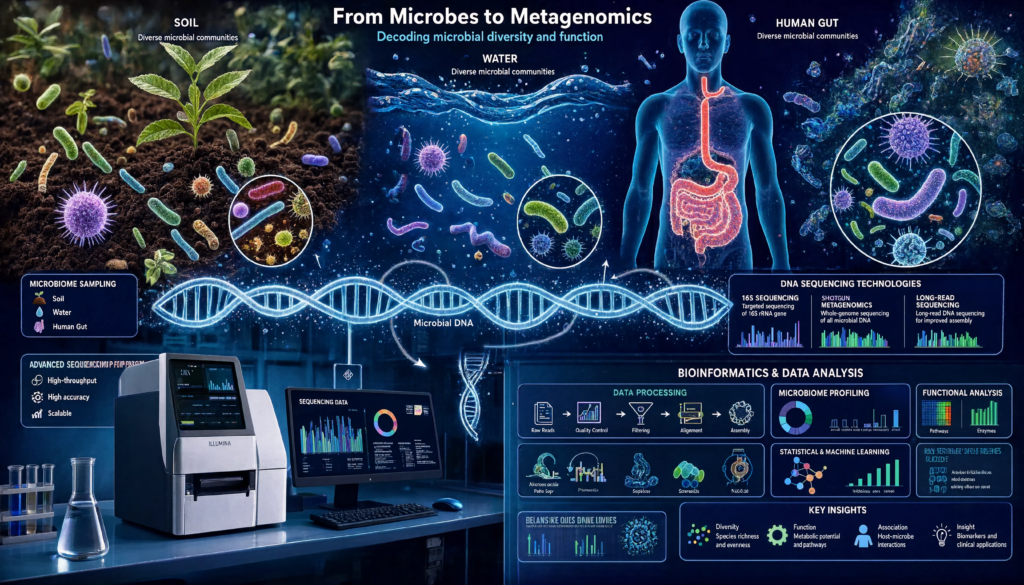
As multi-OMICs datasets become larger and more complex, bioinformatics has evolved from a supporting discipline into a critical component of modern biomedical research.
Integrating multiple OMICS technologies requires sophisticated computational workflows capable of managing large volumes of data while ensuring quality, reproducibility and meaningful interpretation.
Bioinformatics enables researchers to:
- Process and integrate diverse OMICS datasets.
- Perform quality control across multiple platforms.
- Apply AI and machine learning models to biological data.
- Visualise complex molecular interactions.
- Identify biomarkers and biological pathways.
- Translate raw data into actionable scientific insights.
Without robust bioinformatics, even the most comprehensive datasets cannot reach their full potential.
As highlighted in recent research, the future of precision medicine depends not only on advances in sequencing and analytical technologies but also on the computational tools that enable researchers to interpret increasingly complex biological systems.
Real-World Applications of AI-Enabled Multi-OMICs
The true value of AI-enabled multi-OMICs integration lies not in the technologies themselves, but in their ability to answer complex biological questions that were once beyond reach. By combining multiple molecular datasets with advanced computational analysis, researchers are gaining deeper insights into disease mechanisms, improving therapeutic development and addressing challenges across healthcare, agriculture and environmental science.
As these integrated approaches continue to mature, they are driving innovation across a wide range of research disciplines.
Transforming Cancer Research
Cancer is one of the most biologically complex diseases, with each tumour exhibiting its own unique combination of genetic, molecular and environmental characteristics. Analysing a single layer of biological data often provides only a partial understanding of tumour behaviour.
AI-enabled multi-OMICs integration allows researchers to combine genomic mutations, gene expression patterns, protein abundance and other molecular information to build a more comprehensive picture of cancer biology.
This integrated approach supports:
- Identification of novel cancer biomarkers.
- Improved tumour classification.
- Prediction of treatment response.
- Discovery of therapeutic targets.
- Understanding tumour evolution and resistance mechanisms.
Rather than focusing on individual mutations alone, researchers can investigate how multiple biological pathways interact to influence disease progression, paving the way for more personalised approaches to cancer diagnosis and treatment.
Strengthening Infectious Disease Research
Emerging infectious diseases continue to pose significant global health challenges. Understanding how pathogens interact with their hosts requires more than simply sequencing a viral or bacterial genome.
By integrating genomic, proteomic and other OMICS datasets, researchers can investigate the complex biological interactions that occur during infection, including immune responses, pathogen evolution and host susceptibility.
Artificial intelligence enhances these analyses by identifying patterns within large-scale datasets that may inform:
- Host–pathogen interaction studies.
- Antimicrobial resistance research.
- Biomarker discovery.
- Vaccine development.
- Disease surveillance and outbreak response.
These integrated approaches are helping researchers generate more comprehensive insights into infectious diseases while supporting strategies to improve prevention, diagnosis and treatment.
Accelerating Drug Discovery and Development
Developing new medicines is a complex and time-intensive process. AI-enabled multi-OMICs technologies are helping researchers streamline this process by identifying promising therapeutic targets earlier and improving confidence in candidate selection.
Rather than relying on isolated molecular markers, researchers can integrate multiple biological datasets to better understand disease pathways and predict how potential therapies may influence them.
Applications include:
- Identification of novel drug targets.
- Biomarker-guided drug development.
- Prediction of drug efficacy and safety.
- Patient stratification for clinical research.
- Understanding mechanisms of drug resistance.
These insights contribute to more efficient drug discovery pipelines while supporting the development of precision therapeutics tailored to specific patient populations.
Supporting Sustainable Agriculture
The benefits of AI-enabled multi-OMICs extend well beyond human health. In agriculture, integrating genomic, proteomic and metabolomic data is helping researchers improve crop resilience, enhance livestock productivity and strengthen food security.
Researchers are using these approaches to investigate:
- Drought tolerance in crop species.
- Disease and pest resistance.
- Nutritional quality.
- Plant–microbe interactions.
- Livestock health and productivity.
By combining multiple layers of biological information, scientists can make more informed breeding decisions and develop agricultural systems that are better equipped to respond to climate change and growing global food demands.
Advancing Population Health Research
Understanding disease at the population level requires researchers to consider both biological diversity and environmental influences. AI-enabled multi-OMICs integration allows scientists to analyse large, diverse datasets to identify factors associated with disease susceptibility, progression and treatment outcomes.
This is particularly important for population health research, where genetic diversity and regional differences can significantly influence disease patterns.
Integrated analyses support:
- Identification of population-specific biomarkers.
- Disease risk prediction.
- Precision public health initiatives.
- Epidemiological research.
- Health equity through more representative biological datasets.
As more diverse populations are included in biomedical research, multi-OMICs approaches have the potential to improve the relevance and inclusivity of precision medicine across different communities.
A New Era of Data-Driven Discovery
Across healthcare, agriculture and environmental science, AI-enabled multi-OMICs integration is changing how researchers approach scientific discovery. Instead of studying biological systems through a single molecular lens, scientists can now examine the complex interactions that drive health, disease and adaptation.
This shift represents more than a technological advancement, it reflects a fundamental change in how biological research is conducted. By integrating multiple OMICS technologies with artificial intelligence, researchers are moving towards a more connected, systems-level understanding of biology, creating new opportunities for innovation and accelerating discoveries that have the potential to improve lives worldwide.
Why Integrated Multi-OMICs Matters for South African Research
South Africa faces a unique combination of health, environmental and agricultural challenges that require innovative scientific approaches. From infectious diseases and non-communicable diseases to biodiversity conservation and food security, researchers are increasingly working to understand complex biological systems that cannot be explained through a single molecular perspective.
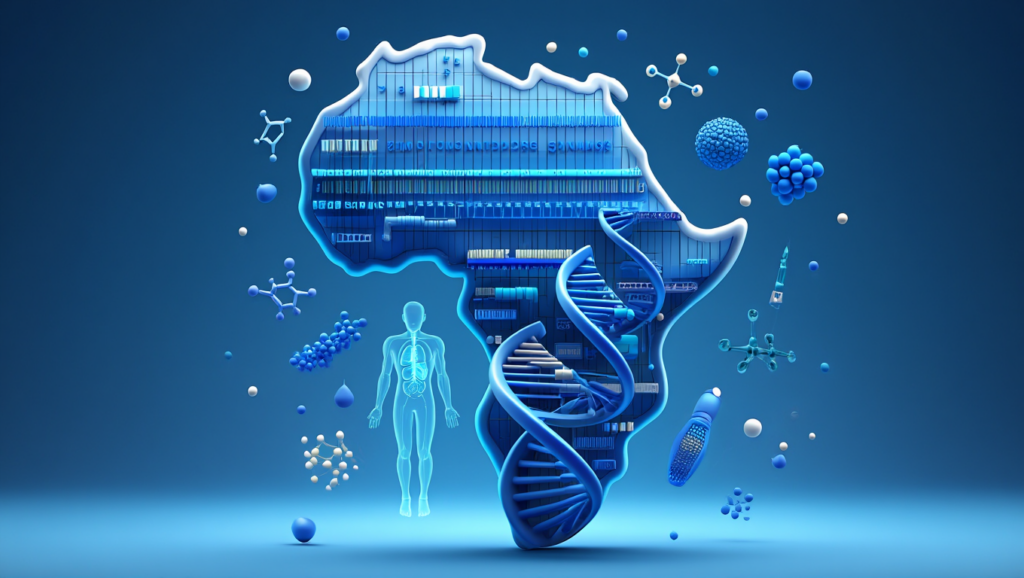
At the same time, South Africa is one of the most genetically diverse populations in the world. This diversity presents both opportunities and challenges for biomedical research, highlighting the importance of generating locally relevant data that reflects the country’s unique genetic landscape.
Addressing these complex research questions requires more than isolated genomic or proteomic analyses. It calls for integrated approaches that combine multiple OMICS technologies with advanced computational methods to better understand biological variation and disease mechanisms.
As research programmes continue to expand across Africa, multi-OMICs integration is becoming an essential component of scientific discovery, supporting more comprehensive investigations into human health, infectious diseases, agriculture and environmental sustainability.
Supporting Precision Medicine for African Populations
Precision medicine has the potential to transform healthcare by tailoring prevention, diagnosis and treatment strategies to the unique characteristics of individuals and populations. However, much of the global biomedical research conducted to date has been based on datasets that underrepresent African populations.
This creates a significant opportunity for researchers across South Africa to generate locally relevant evidence that contributes to more inclusive and equitable precision medicine.
By integrating genomics, proteomics, bioinformatics and other OMICS technologies, researchers can gain deeper insights into disease biology within African populations, supporting studies that are more representative of the communities they aim to serve.
These integrated approaches are helping to:
- Improve understanding of population-specific disease mechanisms.
- Identify biomarkers relevant to diverse populations.
- Support more representative precision medicine research.
- Advance equitable healthcare innovation.
- Strengthen African contributions to global genomics research.
As African-led research continues to grow, integrated multi-OMICs approaches will play an increasingly important role in generating discoveries that benefit both local and global health.
Enabling Collaborative, Interdisciplinary Research
Modern scientific challenges rarely fit within a single discipline. Addressing questions related to cancer, infectious diseases, agriculture or environmental health often requires expertise spanning molecular biology, genomics, proteomics, bioinformatics, statistics and clinical research.
Multi-OMICs integration encourages this collaborative approach by bringing together diverse datasets and scientific expertise to answer increasingly complex biological questions.
At CPGR, collaboration is central to how research projects are supported. By combining expertise across multiple OMICS disciplines, researchers can access integrated solutions that span experimental design, laboratory analysis and advanced data interpretation.
This collaborative model not only improves the quality of research outcomes but also enables scientists to generate deeper biological insights than would be possible through isolated analyses.
How CPGR Supports AI-Enabled Multi-OMICs Research
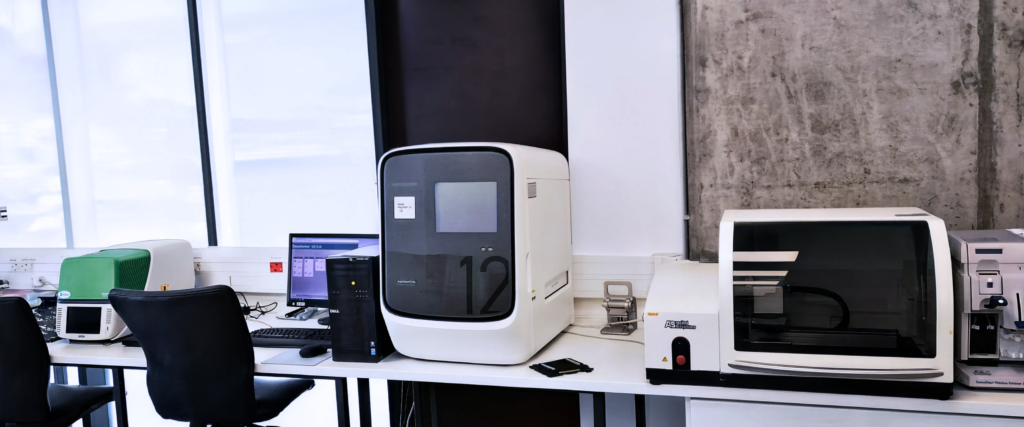
As biological research becomes increasingly data-driven, the ability to integrate multiple OMICS technologies has become a critical advantage. CPGR supports this evolution by providing researchers with access to advanced genomics, proteomics and bioinformatics expertise within a single research environment.
Rather than offering individual technologies in isolation, CPGR works collaboratively with researchers to develop integrated workflows tailored to each project’s objectives. This enables scientists to combine complementary datasets and generate more comprehensive biological insights.
Our capabilities include:
- Genomics – Supporting studies ranging from targeted sequencing to whole genome analysis.
- Proteomics – Providing protein identification and quantitative analysis to complement genomic findings.
- Bioinformatics – Transforming complex biological data into meaningful scientific insights through robust computational analysis.
- Multi-OMICs Integration – Bringing together diverse molecular datasets to support systems-level biological research.
This integrated approach allows researchers to move beyond data generation towards a deeper understanding of biological function, disease mechanisms and potential therapeutic opportunities.
Whether supporting academic research, biotechnology innovation or collaborative scientific initiatives, CPGR is committed to providing the expertise and technologies needed to advance the next generation of life sciences research.
Conclusion
The future of life sciences lies not in studying individual molecular components in isolation, but in understanding how they work together as interconnected biological systems. Multi-OMICs integration, strengthened by advances in artificial intelligence and bioinformatics, is enabling researchers to uncover relationships that were previously impossible to detect, driving new discoveries across precision medicine, infectious disease research, agriculture and environmental science.
As biomedical datasets continue to grow in size and complexity, the ability to integrate and interpret diverse sources of biological information will become increasingly important. Researchers who embrace AI-enabled multi-OMICs approaches will be better equipped to answer complex scientific questions, accelerate innovation and develop solutions that improve health and wellbeing.
At CPGR, we recognise that meaningful scientific discovery requires more than advanced technologies, it requires collaboration, expertise and an integrated approach to biological research. By combining genomics, proteomics and bioinformatics, we help researchers transform complex molecular data into actionable insights that support impactful, high-quality research.
Looking to strengthen your next research project with integrated OMICS expertise? Chat to us about your Bioinformatics needs, we will be sure to provide solutions or guidance on troubleshooting your pipelines : https://calendly.com/justin-naicker-cpgr/cpgr-chat