Whole genome sequencing (WGS) is revolutionizing the way we understand human health, disease, and genetic diversity. In South Africa, the Centre for Proteomic and Genomic Research (CPGR) is pioneering efforts to make this advanced genomic technology accessible to researchers, clinicians, and institutions. With world-class facilities and expertise, CPGR offers cutting-edge sequencing services through their dedicated platform: Whole Genome Sequencing South Africa.
As genomic science advances globally, South Africa is positioning itself at the forefront of innovation in Africa. CPGR’s specialized services in whole genome sequencing provide unique opportunities for healthcare, research, and biotech development. By leveraging WGS, South Africa can address local health challenges, contribute to global genomic knowledge, and ensure equitable access to precision medicine.
What is Whole Genome Sequencing?
Whole genome sequencing (WGS) is the process of decoding the complete DNA sequence of an organism’s genome. Unlike targeted sequencing or genotyping, which focuses on specific regions, WGS captures every genetic variant across the 3 billion base pairs of the human genome.
This comprehensive view allows scientists and clinicians to:
- Identify disease-causing mutations
- Understand genetic predispositions
- Explore rare and inherited disorders
- Enhance research in oncology, neurology, and infectious diseases
For South Africa, with its rich and diverse genetic landscape, WGS provides unparalleled insights into health and disease at a population level.
Why Whole Genome Sequencing Matters in South Africa
South Africa faces unique healthcare challenges, from high burdens of communicable diseases such as HIV and tuberculosis to rising rates of non-communicable diseases like cancer, diabetes, and cardiovascular disorders. Whole genome sequencing has the potential to transform how these conditions are understood, diagnosed, and treated.
Key benefits for South Africa include:
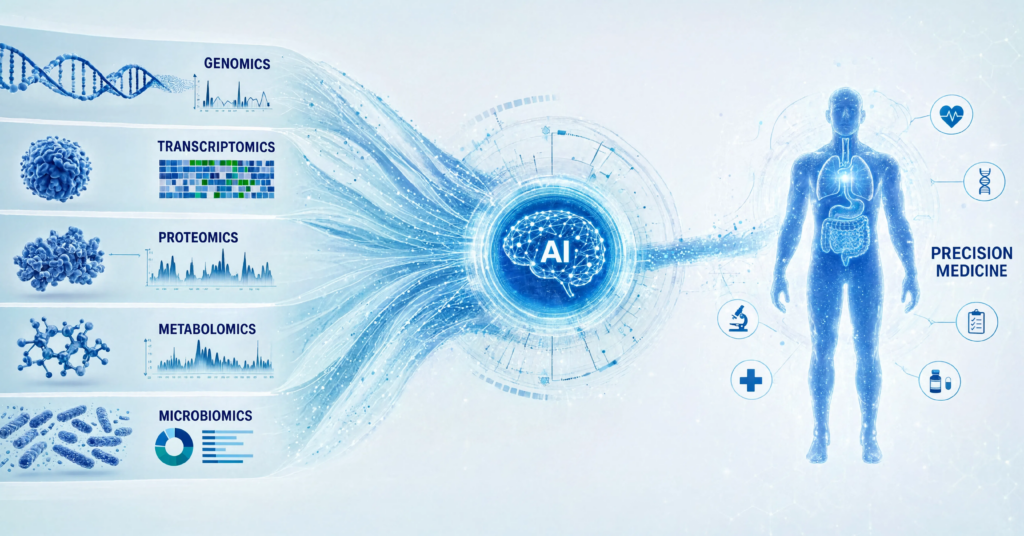
- Precision medicine: Enabling tailored treatments based on genetic profiles.
- Population genomics: Capturing Africa’s diverse genomes to improve representation in global databases.
- Infectious disease tracking: Using WGS to monitor and respond to pathogens, variants, and drug resistance.
- Research and innovation: Supporting universities, biotech firms, and medical institutions with advanced genomic data.
By offering whole genome sequencing in South Africa, CPGR empowers local stakeholders to harness the power of genomics for both research and clinical application.
CPGR: Advancing Genomic Research in South Africa
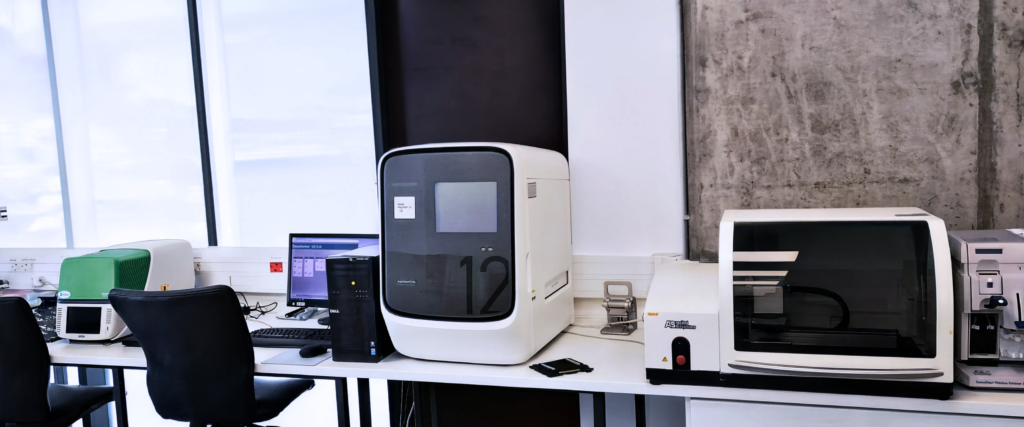
The Centre for Proteomic and Genomic Research (CPGR) was established to provide world-class genomics and proteomics services to the South African scientific community. With state-of-the-art infrastructure, CPGR bridges the gap between advanced technologies and local needs.
What CPGR Offers:
- Whole genome sequencing (WGS) for humans, plants, animals, and microbes.
- Bioinformatics analysis for meaningful interpretation of genomic data.
- Support for clinical genomics, from rare diseases to oncology.
- Collaborations with universities, hospitals, and research centers.
Through CPGR, South Africa gains access to a trusted partner that aligns global best practices with local challenges, making WGS both reliable and impactful.
Applications of Whole Genome Sequencing in South Africa
The applications of WGS are vast and extend across healthcare, agriculture, and scientific research. In South Africa, the technology is finding meaningful use in the following areas:
1. Clinical Genomics
Whole genome sequencing enables earlier and more accurate diagnoses of genetic diseases. By identifying pathogenic variants, clinicians can design patient-specific treatment plans, improving outcomes and reducing trial-and-error approaches.
2. Infectious Disease Surveillance
South Africa has been at the forefront of using genomics for infectious disease monitoring, particularly during the COVID-19 pandemic. WGS helps detect new variants, track transmission patterns, and guide public health interventions.
3. Cancer Research and Precision Oncology
By analyzing tumor genomes, researchers and oncologists can uncover mutations driving cancer progression. WGS allows for targeted therapies and better treatment responses.
4. Agriculture and Food Security
South Africa’s agricultural sector also benefits from genome sequencing. WGS is applied to improve crop resilience, livestock health, and food safety—critical areas for sustainable development.
Challenges and Opportunities in Implementing WGS
While the promise of whole genome sequencing in South Africa is immense, several challenges exist:
- Cost and accessibility: Despite decreasing costs globally, WGS can still be expensive.
- Data storage and management: WGS generates massive datasets requiring secure, scalable solutions.
- Ethical considerations: Genomic data privacy, consent, and equitable access are vital concerns.
- Skills and training: Expanding local expertise in bioinformatics and genomics is essential.
However, these challenges also present opportunities. CPGR is actively working to reduce barriers by offering affordable services, building collaborative networks, and fostering local talent development.
The Future of Whole Genome Sequencing in South Africa
South Africa is poised to lead genomic advancements in Africa. With institutions like CPGR at the helm, WGS is set to expand its role in clinical medicine, biomedical research, and public health.
As global interest in African genomics grows, South Africa’s contribution will be critical in ensuring diverse populations are included in medical discoveries. By investing in whole genome sequencing today, the country secures its place in shaping the future of precision medicine and global health innovation.
Frequently Asked Questions (FAQs)
What is whole genome sequencing (WGS)?
Whole genome sequencing is the process of decoding the entire DNA of an organism to study its genetic makeup comprehensively.
How does WGS support clinical genomics?
WGS identifies genetic mutations and variations that cause diseases, allowing for accurate diagnoses and personalized treatment plans.
How is WGS being adopted in South Africa?
South African institutions like CPGR are providing WGS services to support research, healthcare, and public health initiatives.
What are the advantages of whole genome sequencing?
It provides a complete view of the genome, enabling discoveries in rare diseases, cancer, and infectious disease tracking.
Where can WGS services be found in South Africa?
The Centre for Proteomic and Genomic Research (CPGR) offers trusted WGS services in South Africa.
Conclusion
Whole genome sequencing is transforming the landscape of healthcare and research worldwide, and South Africa is rapidly embracing this technology. Through CPGR, researchers, clinicians, and institutions gain access to state-of-the-art sequencing platforms that make a tangible impact on both local and global health challenges.
By choosing Whole Genome Sequencing South Africa, stakeholders can unlock the full potential of genomics for precision medicine, infectious disease monitoring, and groundbreaking scientific research. With CPGR leading the way, South Africa is set to become a hub for genomic innovation on the African continent.