Advances in genomics have transformed how researchers understand biological systems, and at the forefront of this revolution lies transcriptomics. In South Africa, transcriptomics research is gaining momentum, enabling breakthroughs in health, agriculture, and biotechnology. The Centre for Proteomic and Genomic Research (CPGR) is a leading institution driving this progress. With specialized services and infrastructure, CPGR empowers researchers through advanced transcriptomics solutions. You can explore their offerings at Transcriptomics Services and gain insights into local research initiatives at Transcriptomics Research South Africa.
In this article, we’ll dive deep into the world of transcriptomics, its importance in South Africa, the applications shaping industries, and how CPGR is at the center of enabling world-class genomic science.
Understanding Transcriptomics
Transcriptomics is the large-scale study of RNA transcripts produced by the genome under specific circumstances. Unlike DNA, which represents the static code of life, RNA provides a snapshot of gene expression at a given moment. This makes transcriptomics an invaluable tool for understanding how genes are regulated in response to disease, environmental factors, or treatment.
Researchers use transcriptomics to answer critical questions:
- Which genes are active in a particular cell type?
- How does gene expression change during disease progression?
- Which molecular pathways are influenced by treatments or interventions?
With technologies like RNA sequencing (RNA-Seq), microarrays, and single-cell transcriptomics, scientists can generate powerful insights into cellular behavior, enabling precision medicine, crop improvement, and diagnostic innovations.
The Importance of Transcriptomics in South Africa
South Africa is uniquely positioned to benefit from transcriptomics due to its rich biodiversity, diverse population, and pressing healthcare challenges. Diseases like HIV/AIDS, tuberculosis, and various cancers remain significant public health burdens. Transcriptomics offers tools to better understand these conditions at a molecular level, paving the way for innovative solutions.
Additionally, South Africa’s agricultural sector stands to gain from transcriptomics research. Crops can be studied at the transcriptome level to develop varieties that withstand drought, pests, or climate change impacts. This holds immense value for food security and sustainable farming in the region.
By investing in transcriptomics infrastructure and expertise, South Africa is not only addressing local challenges but also contributing to global scientific discovery.
CPGR: Driving Transcriptomics in South Africa
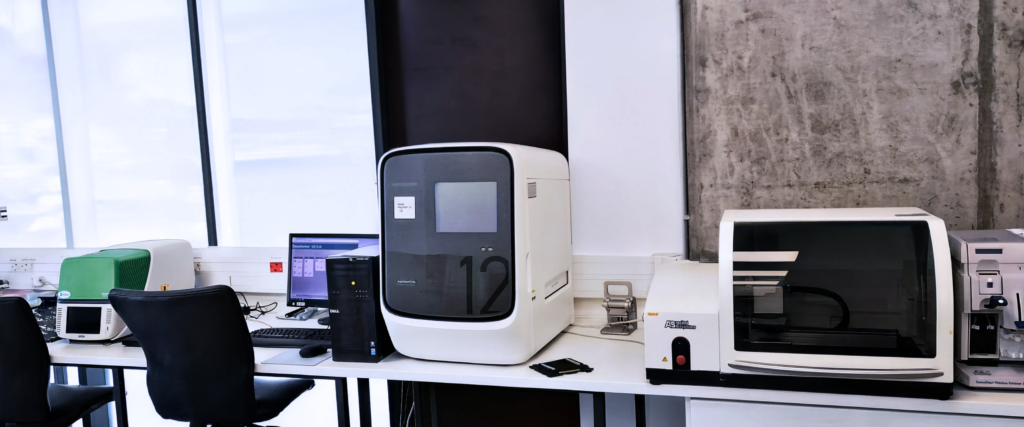
The Centre for Proteomic and Genomic Research (CPGR) provides advanced platforms and services for researchers, academics, and clinicians across South Africa. With its cutting-edge facilities, CPGR bridges the gap between high-level science and practical application.
Key strengths of CPGR in transcriptomics include:
- RNA Sequencing (RNA-Seq): Offering high-resolution data for gene expression studies.
- Single-Cell Analysis: Capturing transcriptomic information at individual cell levels.
- Data Analytics and Bioinformatics: Turning raw sequencing data into actionable insights.
- Custom Research Projects: Supporting both academic and industry-driven needs.
By providing these services, CPGR ensures that South African researchers have access to globally competitive tools without needing to outsource research abroad.
Applications of Transcriptomics Research in South Africa
Transcriptomics research impacts multiple sectors, and in South Africa, its applications are both broad and transformative:
1. Healthcare and Precision Medicine
Transcriptomics allows clinicians to understand the molecular underpinnings of diseases like HIV, tuberculosis, and cancer. For example, transcriptome profiling can reveal how patients respond to antiretroviral therapy or help predict cancer treatment outcomes.
2. Agriculture and Food Security
South Africa’s agricultural sector faces challenges from climate change, drought, and pathogens. Transcriptomics helps identify stress-response genes in plants, enabling breeders to develop resilient crop varieties that ensure long-term food security.
3. Infectious Disease Research
South Africa, being a hub of HIV and TB research, benefits immensely from transcriptomics. Understanding host-pathogen interactions at the transcriptome level provides novel targets for vaccines and therapies.
4. Biotechnology and Industrial Applications
Industries in biotechnology use transcriptomic insights to optimize microbial strains for industrial fermentation, biofuels, and pharmaceutical production.
5. Conservation and Biodiversity Studies
South Africa’s unparalleled biodiversity makes it an ideal location for transcriptomics research in conservation. By studying gene expression in endangered species, researchers can better design conservation strategies.
Tools and Technologies in Transcriptomics
The success of transcriptomics depends on sophisticated tools and methods. Some of the core technologies employed at CPGR and globally include:
- RNA Sequencing (RNA-Seq): The gold standard for transcriptomics, providing high-throughput data on RNA molecules.
- Single-Cell RNA-Seq: Capturing differences in gene expression between individual cells.
- Microarrays: Although less common today, still used for cost-effective large-scale studies.
- Bioinformatics Pipelines: Essential for analyzing vast transcriptomic datasets and identifying biological patterns.
By combining these technologies with CPGR’s expertise, South African researchers are empowered to deliver world-class scientific results.
Challenges and Opportunities in Transcriptomics South Africa
While transcriptomics holds great promise, challenges remain in the South African context. Infrastructure, funding, and skills development are critical bottlenecks. Advanced sequencing technologies require investment in both equipment and human capacity.
However, opportunities are abundant. The growing recognition of genomics in healthcare policy, alongside international collaborations, is pushing transcriptomics forward. With CPGR as a hub, South Africa is increasingly becoming a center of excellence in life sciences research.
FAQs on Transcriptomics in South Africa
What is transcriptomics and how is it studied?
Transcriptomics is the study of RNA transcripts that show which genes are active. It is studied using technologies like RNA-Seq and microarrays.
How is transcriptomics research applied in South Africa?
It is applied in healthcare for HIV, TB, and cancer research, and in agriculture for developing climate-resilient crops.
What tools are used in transcriptomics analysis?
RNA sequencing, single-cell RNA-Seq, microarrays, and bioinformatics tools are commonly used in transcriptomics analysis.
Which clinical applications rely on transcriptomics?
Clinical applications include cancer diagnostics, infectious disease research, and monitoring treatment responses in precision medicine.
Where can transcriptomics services be found in South Africa?
Transcriptomics services are available at the Centre for Proteomic and Genomic Research (CPGR) in Cape Town.
Conclusion
Transcriptomics is revolutionizing life sciences by offering an unparalleled view of gene expression and cellular function. In South Africa, its impact spans healthcare, agriculture, biotechnology, and conservation. With world-class services and expertise, the Centre for Proteomic and Genomic Research (CPGR) ensures that local researchers and industries can access state-of-the-art transcriptomics technologies.
As transcriptomics continues to grow, Transcriptomics South Africa will play an increasingly critical role in solving regional challenges and contributing to global scientific progress. For researchers, clinicians, and innovators, CPGR remains the go-to hub for unlocking the power of transcriptomics.