Metagenomics is revolutionizing the way scientists explore and understand microbial communities. By analyzing genetic material directly from environmental samples, metagenomics offers insights into the diversity and functionality of microorganisms that are difficult to study using traditional methods. At CPGR, we’re dedicated to showcasing the potential of metagenomics and its applications in various fields of research.
What is Metagenomics?
Metagenomics is the study of genetic material recovered directly from environmental samples. Unlike traditional microbiology, which often involves isolating individual species in a laboratory, metagenomics allows researchers to analyze the entire genetic makeup of a sample, representing a complex community of microorganisms. This technique has become indispensable in fields such as ecology, medicine, and environmental science, where understanding microbial ecosystems is crucial.
Key Benefits of Metagenomics
- Comprehensive Microbial Profiling
Traditional methods of microbiology are limited by the need for culturing specific organisms. With metagenomics, researchers can identify and analyze all microorganisms within a sample, even those that are unculturable. This ability provides a more complete picture of microbial diversity, helping to uncover hidden microbes and their roles in ecosystems. - Discovery of New Genes and Pathways
One of the most significant advantages of metagenomics is its potential to identify novel genes and metabolic pathways. By sequencing environmental DNA, researchers can discover previously unknown enzymes, antibiotics, or other compounds, opening the door to new medical and industrial applications. This has led to exciting breakthroughs in drug development, bioengineering, and more. - Environmental Monitoring and Conservation
In the environmental sciences, metagenomics has become a powerful tool for monitoring microbial ecosystems. Whether studying soil health, water quality, or biodiversity, metagenomics enables researchers to assess the impact of environmental changes on microbial communities, which can be crucial for conservation efforts.
Applications of Metagenomics
- Human Health and Microbiomes
The human microbiome is a collection of microorganisms living on and inside our bodies, playing a crucial role in digestion, immunity, and even mental health. Metagenomics has become a key method for studying these complex communities, leading to groundbreaking insights into how microbiomes affect health and disease. Researchers are using metagenomics to understand the role of gut bacteria in conditions such as obesity, diabetes, and inflammatory bowel disease. - Agricultural and Industrial Applications
In agriculture, metagenomics is helping scientists develop more sustainable farming practices. By understanding the microbial communities in soil, researchers can identify beneficial microbes that promote plant growth and combat pathogens. Metagenomics also plays a role in the development of bio-based products, such as biofuels and biodegradable plastics, by identifying microbes that can degrade organic materials. - Biotechnology and Drug Discovery
Metagenomics has proven invaluable in biotechnology and drug discovery. By sequencing microbial DNA from environmental samples, scientists have been able to identify enzymes and other compounds with industrial and medical potential. For example, the search for new antibiotics has led to the discovery of novel antimicrobial agents from soil microbes, which could become crucial in the fight against antibiotic resistance.
How Metagenomics Works
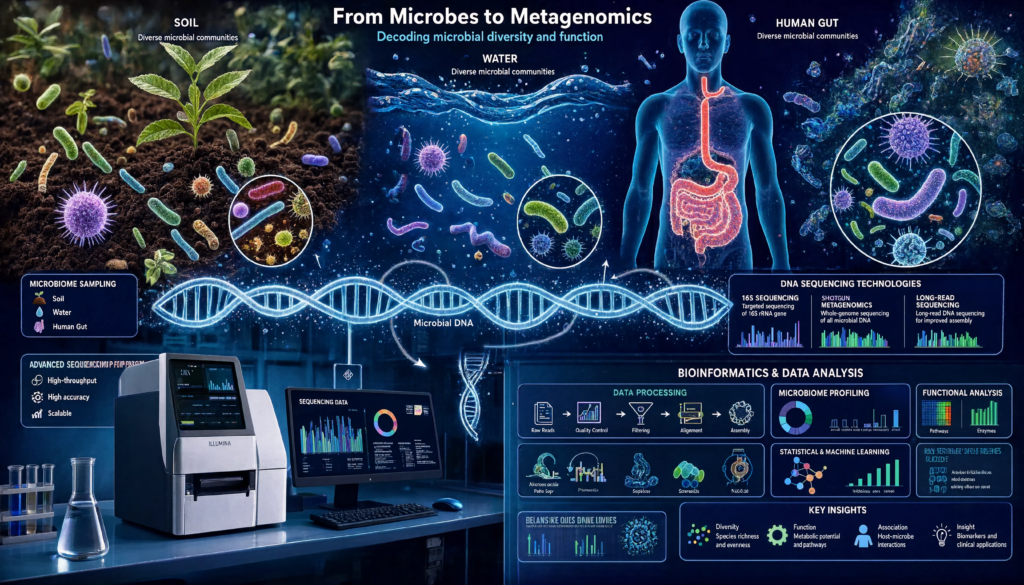
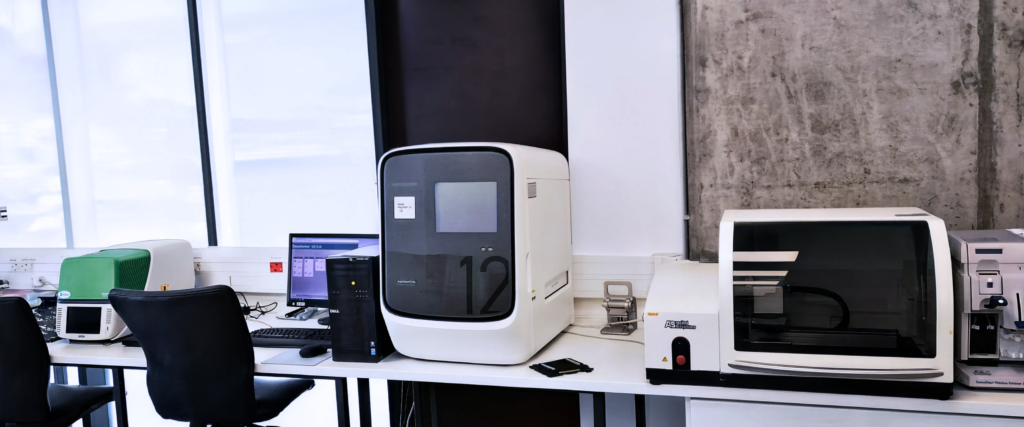
Metagenomics begins with the collection of environmental samples, such as soil, water, or human tissue. DNA is extracted from the sample and then sequenced using high-throughput sequencing technologies. The resulting data is analyzed using bioinformatics tools to identify the different organisms present and their functional genes.
One of the primary challenges of metagenomics is the complexity of the data. Unlike single-species sequencing, which focuses on the genome of one organism, metagenomics involves large datasets that must be carefully curated and interpreted. This requires specialized software and computational techniques, which are continuously improving to make data analysis more efficient and accurate.
The Future of Metagenomics
The field of metagenomics is evolving rapidly, and the future holds exciting possibilities. With the advent of more advanced sequencing technologies and better computational tools, metagenomics will continue to uncover new microbial species, pathways, and applications. Researchers at CPGR are actively working to explore these new frontiers, leveraging metagenomics to tackle some of the world’s most pressing challenges, from health to environmental conservation.
Conclusion
Metagenomics is a powerful tool that is reshaping research across many disciplines. By providing a detailed, holistic view of microbial communities, metagenomics is not only enhancing our understanding of ecosystems but also driving innovations in medicine, agriculture, and biotechnology. As technology continues to advance, the applications of metagenomics will only expand, offering endless possibilities for scientific discovery. At CPGR, we’re committed to exploring these possibilities and advancing the field of metagenomics for the benefit of society.