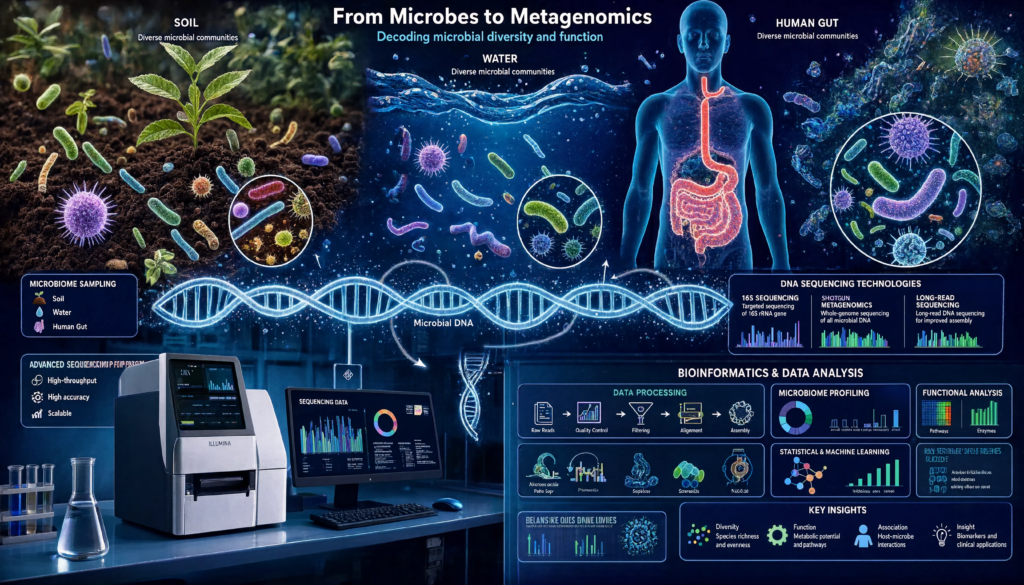
The field of genomics has rapidly transformed how we understand health, disease, and biological processes. At the forefront of this transformation is RNA sequencing (RNA-Seq), a powerful technique that allows researchers to study gene expression in unprecedented detail. For South Africa, RNA sequencing offers not only scientific advancement but also tailored solutions to address the country’s unique healthcare and research challenges.
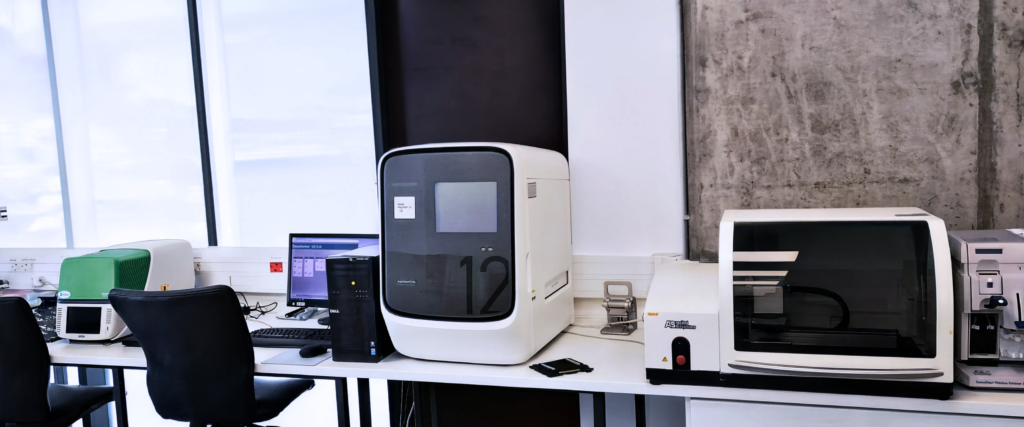
At CPGR, a leading genomics service provider in South Africa, researchers, clinicians, and innovators can access state-of-the-art RNA sequencing technologies. By offering comprehensive support in genomics, CPGR enables South African researchers to decode the molecular underpinnings of health and disease, accelerating discoveries that are relevant locally and globally.
Understanding RNA Sequencing
RNA sequencing, often abbreviated as RNA-Seq, is a technique that examines the quantity and sequences of RNA in a sample. Unlike DNA sequencing, which looks at genetic instructions, RNA sequencing reveals which genes are being actively expressed under certain conditions.
This insight is crucial because gene expression varies across tissues, environments, and disease states. For example, comparing RNA profiles of healthy and diseased tissues allows researchers to pinpoint genes linked to cancer, infectious diseases, or inherited conditions.
For South Africa, RNA sequencing provides an opportunity to study how local populations, pathogens, and environments interact. From HIV research to investigating genetic diversity, RNA-Seq is proving indispensable.
Why RNA Sequencing Matters in South Africa
South Africa faces unique health and research challenges: high burdens of HIV, tuberculosis (TB), malaria, and non-communicable diseases such as cancer and diabetes. These diseases often interact with environmental and socio-economic factors in ways that differ from other regions.
RNA sequencing helps South African scientists gain clearer insights into:
- Infectious diseases: Understanding pathogen gene expression and drug resistance.
- Cancer genomics: Identifying biomarkers and potential therapies.
- Population genomics: Capturing genetic variation specific to South African communities.
- Precision medicine: Tailoring treatments based on individual molecular profiles.
Through facilities like CPGR’s genomics platform, researchers can generate high-quality data that informs both local healthcare solutions and global scientific knowledge.
CPGR: Driving Genomics Innovation in South Africa
The Centre for Proteomic and Genomic Research (CPGR) is a non-profit company established to support life science and biomedical research in South Africa. With cutting-edge sequencing platforms, bioinformatics expertise, and a mission to accelerate local discovery, CPGR has positioned itself as a leader in delivering accessible and impactful genomics solutions.
Their RNA sequencing services include:
- Whole transcriptome analysis to study all RNA molecules in a sample.
- Differential expression analysis to compare gene activity under different conditions.
- Single-cell RNA sequencing for fine-grained analysis of complex tissues.
- Small RNA sequencing to investigate microRNAs and regulatory RNAs.
By offering both sequencing and downstream analysis, CPGR ensures that South African researchers gain not just raw data but actionable insights.
Applications of RNA Sequencing in South Africa
1. Infectious Disease Research
South Africa continues to combat HIV and TB, diseases that disproportionately affect the region. RNA sequencing is being used to:
- Track viral gene expression to study resistance to therapies.
- Analyze immune responses in patients to develop better treatment strategies.
2. Cancer Genomics
RNA sequencing is revolutionizing oncology in South Africa by enabling:
- Discovery of biomarkers for early detection.
- Personalized treatment strategies based on gene expression signatures.
3. Agriculture and Biodiversity
RNA sequencing is also vital for studying plant responses to drought, pests, and disease. Given South Africa’s reliance on agriculture, such research directly supports food security and sustainability.
4. Precision Medicine
By understanding genetic and transcriptomic profiles, clinicians in South Africa are moving closer to precision medicine—where treatments are tailored to individual patients rather than a one-size-fits-all approach.
Challenges and Opportunities
While RNA sequencing offers remarkable potential, several challenges remain in the South African context:
- Cost barriers: Sequencing is resource-intensive, though organizations like CPGR are working to make it accessible.
- Data interpretation: Generating data is only part of the process—interpreting it requires advanced bioinformatics capacity.
- Infrastructure needs: Expanding local sequencing capabilities is essential for long-term growth.
However, these challenges also represent opportunities. By investing in local expertise and infrastructure, South Africa can establish itself as a regional hub for genomics research. Collaborations between academia, healthcare, and organizations like CPGR are already driving this vision forward.
The Future of RNA Sequencing in South Africa
Looking ahead, RNA sequencing is poised to play a central role in South Africa’s healthcare and research ecosystem. With its ability to generate actionable molecular insights, RNA-Seq will:
- Enable more effective disease surveillance and outbreak management.
- Support clinical trials for locally relevant treatments.
- Strengthen South Africa’s contribution to global genomics research.
As sequencing costs continue to decline and data analysis tools become more sophisticated, RNA sequencing will become even more accessible. South Africa is well-positioned to benefit, thanks to institutions like CPGR that are building capacity for advanced genomic science.
FAQs on RNA Sequencing in South Africa
What is RNA sequencing and how does it work?
RNA sequencing is a method that reads and quantifies RNA molecules in a sample. It reveals which genes are active and at what levels.
How is RNA sequencing used in South African research?
It is widely used in infectious disease, cancer, and agricultural studies. South African researchers use RNA-Seq to address local health and environmental challenges.
What are the advantages of RNA sequencing?
RNA sequencing provides high-resolution, unbiased insights into gene expression. It enables discoveries in disease mechanisms, biomarkers, and precision medicine.
Where can I access RNA sequencing services in South Africa?
Researchers and clinicians can access RNA sequencing services at CPGR. CPGR offers cutting-edge sequencing and data analysis support.
Is RNA sequencing suitable for clinical applications?
Yes, RNA sequencing is increasingly applied in clinical contexts. It helps with diagnosis, treatment planning, and developing precision medicine strategies.
Conclusion
RNA sequencing is transforming the scientific and healthcare landscape in South Africa. By enabling deep insights into gene expression, it provides powerful tools for tackling the country’s most pressing health challenges, from HIV to cancer. With organizations like CPGR driving accessibility and innovation, South Africa is steadily establishing itself as a leader in the genomics revolution.
For researchers, clinicians, and innovators, RNA sequencing in South Africa is more than a technology—it is a gateway to precision medicine, improved healthcare, and world-class scientific contributions.