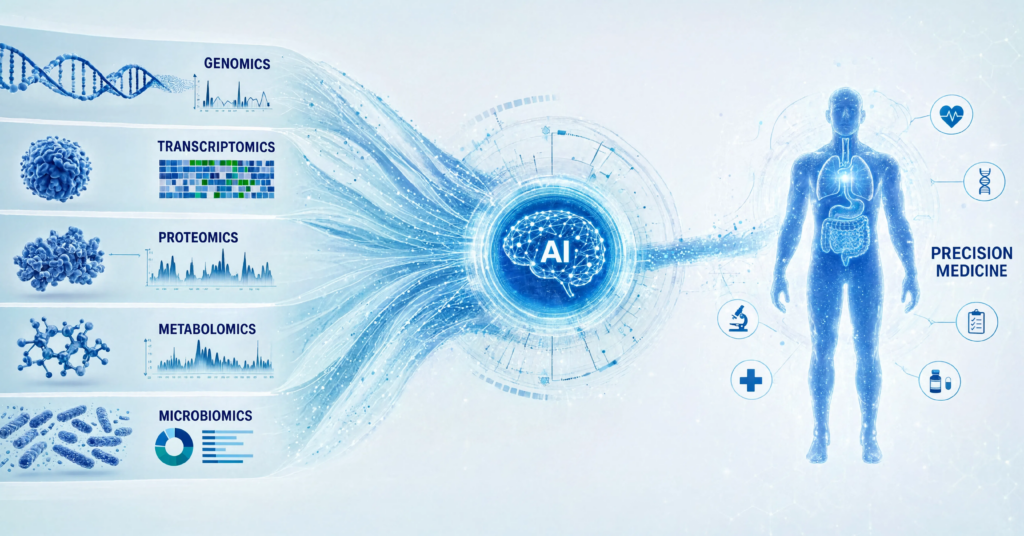
In recent years, the global healthcare industry has undergone a major shift toward personalized medicine, also known as precision medicine. Unlike traditional “one-size-fits-all” approaches, precision medicine uses advanced genomic insights to design tailored healthcare strategies for individuals. In South Africa, this approach is gaining significant traction, with organizations like the Centre for Proteomic and Genomic Research (CPGR) leading the way.
For readers interested in a deep dive, you can explore CPGR’s dedicated pages on precision medicine genomics in South Africa and precision medicine. These resources provide a comprehensive overview of how genomic science is being applied locally to revolutionize patient care.
Understanding Precision Medicine and Genomics
Precision medicine is the practice of tailoring medical treatment to the individual characteristics of each patient. Genomics—the study of an individual’s complete set of DNA—plays a central role in this process. By decoding genetic information, researchers and clinicians can uncover predispositions to certain diseases, predict how a patient will respond to medications, and design interventions that are more effective and less harmful.
In South Africa, where the population is incredibly diverse and health challenges are multifaceted, precision medicine genomics has the potential to create groundbreaking healthcare solutions. With genomics, healthcare providers can better understand genetic variations that are unique to African populations—variations that are often underrepresented in global studies.
Why South Africa is Poised for Precision Medicine
South Africa has unique health challenges that make it a prime location for adopting precision medicine genomics. These include:
- High prevalence of infectious diseases like HIV/AIDS and tuberculosis.
- Rising rates of non-communicable diseases such as diabetes, hypertension, and cancer.
- Diverse genetic landscape, with significant population heterogeneity.
By combining genomic science with healthcare innovation, South Africa has the potential to address these challenges more effectively than with conventional medical approaches.
CPGR plays a critical role here, offering cutting-edge genomic services, data analysis, and research collaborations that make it possible to develop localized precision medicine solutions.
The Role of CPGR in Advancing Genomics
Founded in Cape Town, the Centre for Proteomic and Genomic Research (CPGR) is a non-profit company that provides state-of-the-art services in genomics and precision medicine. Its mission is to make advanced scientific technologies available to the South African research and healthcare communities.
Some of CPGR’s contributions include:
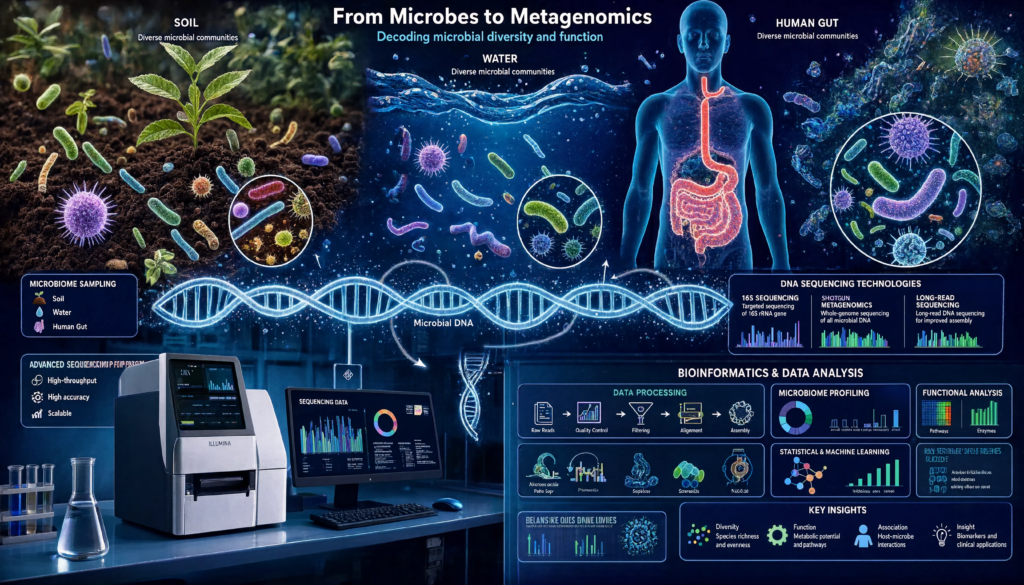
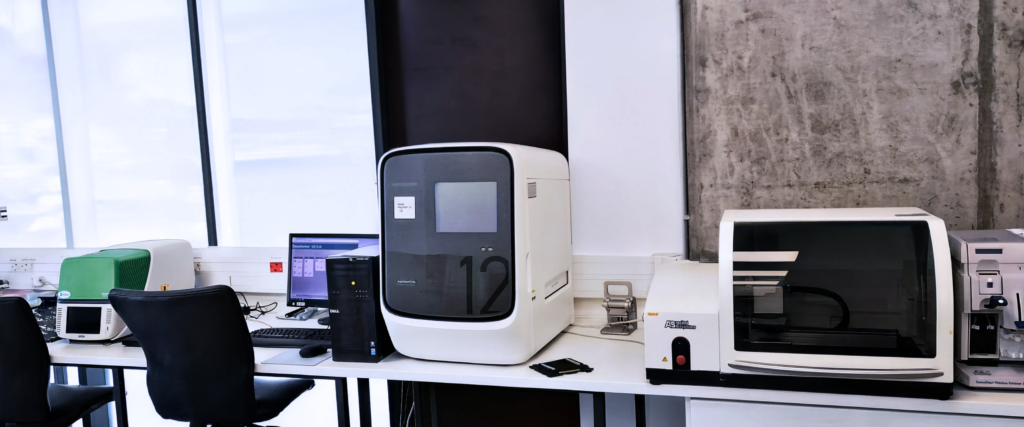
- Advanced Genomic Sequencing: Delivering deep genetic insights tailored to African populations.
- Proteomic Research: Linking protein data with genetic information to provide a holistic picture of health.
- Collaboration with Healthcare Providers: Working with hospitals, clinicians, and researchers to develop practical applications of genomics in treatment.
- Capacity Building: Training scientists and building infrastructure for genomic research in South Africa.
By serving as a bridge between cutting-edge global science and local healthcare needs, CPGR is enabling the growth of precision medicine genomics in South Africa.
Applications of Precision Medicine Genomics in South Africa
Precision medicine is no longer a futuristic concept—it is already making tangible impacts across multiple areas of healthcare in South Africa.
Cancer Treatment
Cancer is one of the most significant applications of genomics. By analyzing a tumor’s genetic profile, oncologists can select therapies that are most likely to be effective for that specific patient. This reduces trial-and-error treatment and improves survival rates.
Rare Diseases
Many rare diseases are genetic in nature. Through genomic sequencing, physicians can now diagnose rare conditions more quickly and accurately. This is especially important in South Africa, where rare diseases often go undiagnosed due to limited awareness and resources.
Infectious Diseases
South Africa’s burden of HIV and tuberculosis creates an urgent need for new healthcare solutions. Genomics allows scientists to track how pathogens evolve, improving vaccine and drug development efforts.
Pharmacogenomics
Different individuals respond differently to the same medication. Pharmacogenomics—an important subset of precision medicine—helps determine which drugs will work best for a patient based on their genetic profile. This prevents adverse drug reactions and enhances treatment success.
Preventive Healthcare
Beyond treatment, precision medicine genomics can also support prevention. By identifying genetic risks early, individuals can adopt lifestyle changes and undergo monitoring to prevent disease onset.
Challenges Facing Precision Medicine Genomics in South Africa
While the promise of precision medicine is immense, several challenges remain:
- High Costs: Genomic testing and sequencing are still expensive.
- Infrastructure Gaps: Limited facilities and trained personnel in certain regions slow adoption.
- Data Privacy: Managing sensitive genetic data requires robust legal and ethical frameworks.
- Population Representation: Ensuring genomic databases include diverse African genomes is critical for effective treatment.
Despite these hurdles, initiatives like CPGR are steadily building capacity and making genomics more accessible.
The Future of Precision Medicine in South Africa
As genomic technologies become more affordable and accessible, the adoption of precision medicine will accelerate across South Africa. With strong partnerships between researchers, healthcare providers, and organizations like CPGR, the future holds exciting possibilities:
- Expanded access to genomic testing in hospitals.
- Integration of genomics into national healthcare strategies.
- Improved treatments for chronic and infectious diseases.
- New job creation and skills development in biotechnology.
South Africa is uniquely positioned to become a leader in precision medicine genomics, not only benefiting its own citizens but also contributing to global scientific knowledge.
Frequently Asked Questions (FAQs)
What is precision medicine genomics?
It is an approach that uses genetic information to personalize medical care. Treatments are tailored to each individual’s unique DNA profile.
How is precision medicine advancing healthcare in South Africa?
It provides tailored treatments for cancer, rare diseases, and chronic conditions. It also improves drug safety and enhances disease prevention.
What role does genomics play in rare disease treatment?
Genomics helps identify the underlying genetic causes of rare diseases. This allows for earlier, more accurate diagnoses and better treatment plans.
How does pharmacogenomics contribute to precision medicine?
Pharmacogenomics identifies how genes influence drug response. It helps doctors prescribe medications that are safest and most effective for each patient.
Where can precision medicine genomics be applied in South Africa?
It can be applied in oncology, infectious disease control, rare disease diagnosis, and preventive care. It also supports public health research and policy.
Conclusion
Precision medicine genomics in South Africa is reshaping the future of healthcare by enabling treatments that are personalized, effective, and safe. With organizations like CPGR driving research, innovation, and implementation, the country is steadily overcoming challenges and unlocking new opportunities for better health outcomes.
Whether in cancer therapy, rare disease treatment, or infectious disease management, precision medicine genomics is proving to be a transformative force. By integrating genomics into the healthcare system, South Africa is taking a bold step toward a healthier future—one where medicine is no longer generic but uniquely designed for every individual.