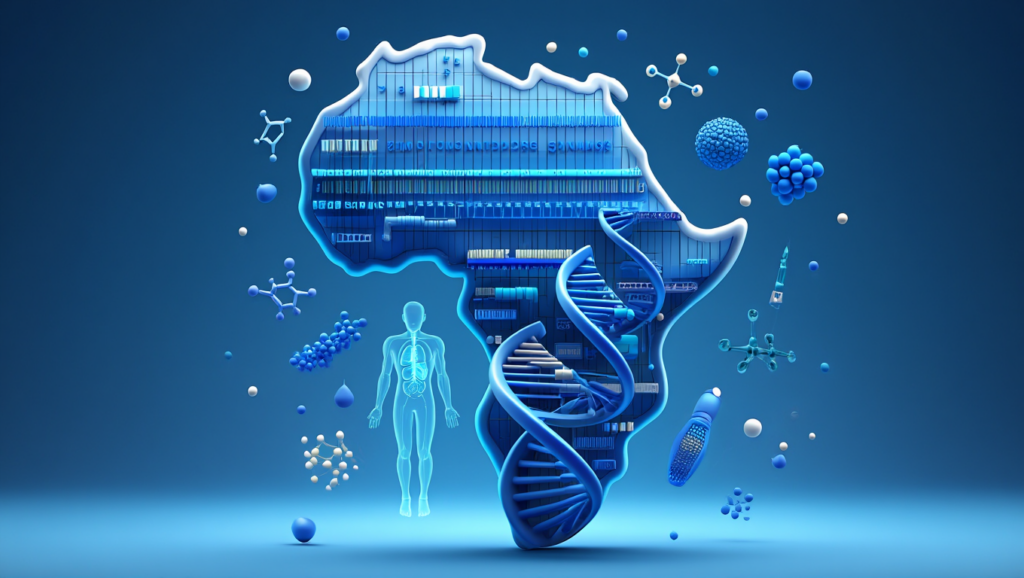
In the last decade, healthcare has begun shifting away from the traditional “one-size-fits-all” approach to a more personalised model of care. One of the most powerful drivers of this transformation is pharmacogenomics—the study of how a person’s genetic makeup influences their response to medication. This emerging field is set to revolutionise treatment strategies, optimise drug safety, and improve patient outcomes worldwide, including in South Africa.
In this article, we will explore what pharmacogenomics is, how it is applied in South Africa, and the benefits it brings to patients, clinicians, and researchers. We will also point you to trusted resources, including the Centre for Proteomic and Genomic Research (CPGR), where you can learn more about genomic innovation in healthcare.
What is Pharmacogenomics and How Does it Work?
Pharmacogenomics combines pharmacology (the science of drugs) and genomics (the study of genes and their functions) to understand how genetic variations affect drug responses.
Each person’s DNA carries unique genetic markers that can influence:
- Drug metabolism: How quickly or slowly the body processes a medication.
- Drug targets: How well a drug interacts with its intended target in the body.
- Drug safety: The likelihood of experiencing side effects or adverse reactions.
For example, two patients might take the same medication for high blood pressure, yet one may respond positively while the other experiences harmful side effects. Pharmacogenomics provides insights that help clinicians predict these differences before prescribing a drug.
This approach enables:
- Tailored medication dosages
- Selection of the most effective drug for a patient’s genetic profile
- Reduction of trial-and-error prescribing
By integrating pharmacogenomics into healthcare, doctors can move closer to precision medicine, where treatments are personalised for maximum effectiveness and minimal risk.
The State of Pharmacogenomics in South Africa
South Africa is uniquely positioned to benefit from pharmacogenomics research. With one of the most genetically diverse populations in the world, understanding drug-gene interactions here has global significance.
Current Research Initiatives
South African researchers and organisations, including the Centre for Proteomic and Genomic Research (CPGR), are actively exploring how pharmacogenomics can be applied to local health challenges.
Some areas of focus include:
- HIV treatment: South Africa has the world’s largest HIV epidemic, and pharmacogenomics can optimise antiretroviral therapies to reduce side effects and improve outcomes.
- Tuberculosis (TB): Genetic insights may help predict drug resistance or adverse drug reactions in TB treatment.
- Cancer care: Oncology is a major area where pharmacogenomics guides the use of targeted therapies.
Infrastructure and Support
Through organisations such as CPGR, researchers and clinicians gain access to cutting-edge genomic technologies and biobanking facilities. These resources support the development of pharmacogenomic testing services tailored to the South African population.
By building local expertise and infrastructure, South Africa is creating pathways for the clinical implementation of pharmacogenomics across both public and private healthcare systems.
Advantages of Pharmacogenomics
The benefits of pharmacogenomics extend far beyond personalised care. Let’s explore the key advantages:
- Optimised Treatment Outcomes
By matching drugs to genetic profiles, doctors can prescribe medications with higher chances of effectiveness from the outset. - Reduced Adverse Drug Reactions
Adverse drug reactions (ADRs) are a significant cause of hospitalisation worldwide. Pharmacogenomics helps minimise these risks by identifying patients at higher risk. - Cost Savings in Healthcare
Though testing involves upfront costs, avoiding ineffective treatments and reducing hospital admissions saves money in the long run. - Enhanced Drug Development
Pharmaceutical companies use pharmacogenomic insights to design safer, more effective drugs targeted to specific patient groups. - Empowered Patients
Patients benefit from greater confidence that their treatment plan is specifically suited to their biology, reducing frustration with “trial-and-error” prescribing.
Is Pharmacogenomics Suitable for Clinical Applications?
Yes—pharmacogenomics is increasingly being integrated into clinical practice worldwide. In fields such as oncology, psychiatry, and cardiology, pharmacogenomic testing is already helping doctors prescribe with greater accuracy.
In South Africa, the integration is still at an early stage, but the trajectory is promising. Clinical trials and pilot studies are providing the evidence base needed to roll out pharmacogenomics in hospitals and clinics.
Examples include:
- Genetic testing before prescribing warfarin, a common blood thinner, to reduce risks of bleeding.
- Testing for variants that affect response to antidepressants, helping patients find effective treatments faster.
As the cost of genomic testing decreases and awareness grows, pharmacogenomics is expected to become a routine part of medical practice in South Africa.
Where Can I Access Pharmacogenomics Services in South Africa?
Pharmacogenomic services are expanding in South Africa, primarily through research institutions and specialised laboratories.
The Centre for Proteomic and Genomic Research (CPGR) is a leading provider in this space. With state-of-the-art technology and partnerships across academia, healthcare, and industry, CPGR offers tailored solutions for pharmacogenomic testing and analysis.
You can learn more about their services on their Pharmacogenomics page, where they outline how genetic insights can be applied to clinical care and research projects.
Challenges and Opportunities
While the potential is vast, there are challenges to overcome in South Africa’s pharmacogenomics journey:
- Cost and accessibility: Widespread testing remains expensive, although costs are gradually decreasing.
- Awareness: Clinicians and patients alike need education about the benefits and applications of pharmacogenomics.
- Ethical considerations: Handling genetic data responsibly is crucial for patient privacy and trust.
- Healthcare system integration: Testing needs to be incorporated into routine healthcare workflows.
Despite these challenges, the opportunities are immense. South Africa’s rich genetic diversity makes it an ideal environment for groundbreaking research that can benefit not only local communities but also the global scientific community.
The Future of Pharmacogenomics in South Africa
Looking ahead, pharmacogenomics has the potential to reshape the South African healthcare system by enabling more precise, cost-effective, and patient-centred treatments.
Some expected developments include:
- Wider clinical adoption: From private hospitals to public clinics, more facilities will integrate pharmacogenomic testing.
- Policy development: Regulatory frameworks will support the ethical use of genetic data.
- Collaborative research: Partnerships between local and global institutions will accelerate innovation.
- Improved patient outcomes: Patients across the country, especially those living with chronic diseases, will experience more effective and safer treatments.
Conclusion
Pharmacogenomics represents a new frontier in South African healthcare—where treatments are no longer generic, but tailored to the individual’s unique genetic profile. While challenges remain, the work of organisations like CPGR ensures that the benefits of this science are within reach for patients, researchers, and clinicians.
To explore how pharmacogenomics is being applied in South Africa, visit the CPGR homepage or read more about their initiatives in unlocking the power of pharmacogenomics. For detailed service offerings, explore their dedicated Pharmacogenomics page.
With continued investment, research, and awareness, pharmacogenomics can unlock a healthier, more precise future for South Africa and beyond.
Frequently Asked Questions
What is pharmacogenomics and how does it work?
Pharmacogenomics studies how a person’s genetic makeup influences their response to medications. It works by analysing genetic variations that affect drug metabolism, drug targets, and the likelihood of side effects. This information allows doctors to prescribe safer, more effective treatments tailored to the patient.
How is pharmacogenomics used in South African research?
In South Africa, pharmacogenomics is being applied to major health challenges such as HIV, tuberculosis (TB), and cancer. Researchers are exploring how genetic diversity influences treatment outcomes, particularly with antiretroviral therapy for HIV and targeted cancer drugs. Organisations like the Centre for Proteomic and Genomic Research (CPGR) play a central role in advancing this research.
What are the advantages of pharmacogenomics?
Pharmacogenomics offers several benefits:
- Improved treatment outcomes by selecting the right drug at the right dose
- Reduced risk of adverse drug reactions
- Cost savings through fewer hospitalisations and ineffective treatments
- Support for the development of more targeted drugs
- Greater patient confidence in personalised treatment plans
Where can I access pharmacogenomics services in South Africa?
Services are currently available through specialised laboratories and research organisations such as the CPGR Pharmacogenomics division. They provide testing, analysis, and support for integrating pharmacogenomics into clinical care and research.
Is pharmacogenomics suitable for clinical applications?
Yes. Pharmacogenomics is already being used clinically in fields like oncology, psychiatry, and cardiology. In South Africa, it is being introduced through pilot projects and clinical studies, with the goal of making it part of routine healthcare. As awareness and infrastructure grow, more hospitals and clinics are expected to adopt pharmacogenomic testing.
FAQs:
What is pharmacogenomics and how does it work?
How is pharmacogenomics used in South African research?
What are the advantages of pharmacogenomics?
Where can I access pharmacogenomics services in South Africa?
Is pharmacogenomics suitable for clinical applications?