Next Generation Sequencing (NGS) has transformed the research landscape worldwide, and NGS applications in South African research are no exception. In South Africa, this revolutionary technology has become a cornerstone for genomic studies across human health, agriculture, biodiversity, and infectious diseases.
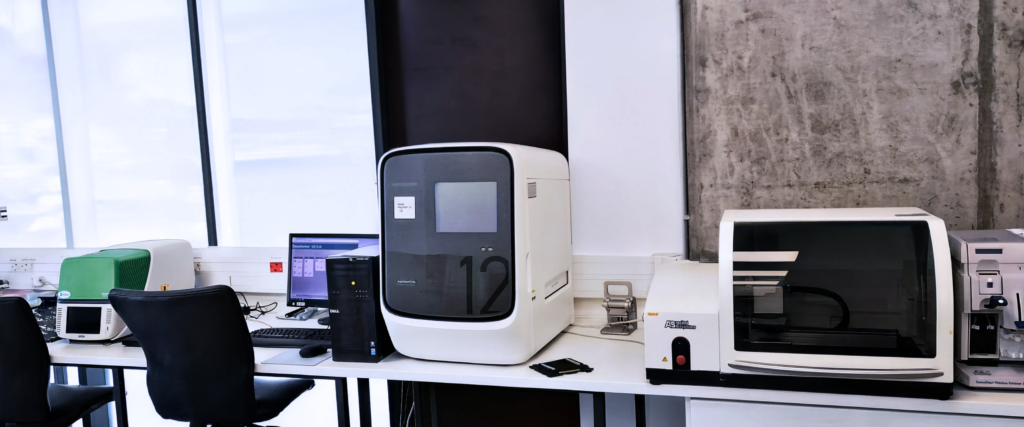
At CPGR (Centre for Proteomic and Genomic Research), we provide access to state-of-the-art NGS platforms, bioinformatics support, and data analysis tools. This article explores how NGS applications in South African research are fueling discovery and innovation across multiple sectors.
Why NGS is Vital for South African Research
NGS enables rapid sequencing of entire genomes, exomes, or targeted gene panels. Its affordability and speed are especially beneficial for South Africa’s complex genetic diversity and environmental challenges.
Whether it’s for tracking disease outbreaks or improving crop yields, the NGS applications in South African research catalyze scalable and impactful scientific progress.
Key NGS Applications in South Africa’s Health Sector
One of the most critical uses of NGS applications in South African research is in healthcare. South Africa battles a high burden of communicable and non-communicable diseases. Genomics research using NGS allows for:
- Cancer Genomics: Identifying cancer-driving mutations specific to African populations.
- Rare Disease Diagnostics: Uncovering genetic causes of rare inherited disorders.
- Pharmacogenomics: Tailoring drug treatments based on patient genetic profiles.
- Infectious Disease Tracking: Sequencing pathogens like HIV, TB, and COVID-19 to monitor mutations and drug resistance.
At CPGR, we assist clinicians and scientists in leveraging NGS to enable personalized medicine initiatives in South Africa.
NGS for Agricultural and Environmental Research in South Africa
Agriculture is a pillar of the South African economy, and NGS plays a transformative role in boosting its sustainability and productivity.
NGS applications in South African research related to agriculture include:
- Plant Genomics: Enhancing resistance to pests, drought, and disease in local crops.
- Soil Microbiome Analysis: Understanding microbial activity that impacts crop health.
- Livestock Genomics: Improving breeding and disease resistance in native animals.
NGS also aids biodiversity conservation efforts by analyzing DNA from endangered species, helping preserve South Africa’s rich ecosystems.
Genomic Surveillance and Public Health in South Africa
The role of NGS applications in South African research was especially evident during the COVID-19 pandemic. South African scientists sequenced and identified variants of concern, including the Beta and Omicron variants.
Today, NGS continues to support public health by enabling:
- Outbreak Detection: Rapid identification of emerging pathogens.
- Antimicrobial Resistance Monitoring: Tracking resistance genes in pathogens.
- Epidemiological Modeling: Using sequencing data to inform health policy decisions.
As a leading facility, CPGR contributes to national genomic surveillance strategies by offering high-throughput sequencing and data interpretation services.
NGS and Academic Research in South Africa
Universities and academic institutions across South Africa rely on NGS for various research disciplines:
- Population Genetics: Understanding genetic ancestry and evolution.
- Epigenomics and Transcriptomics: Studying gene expression under different conditions.
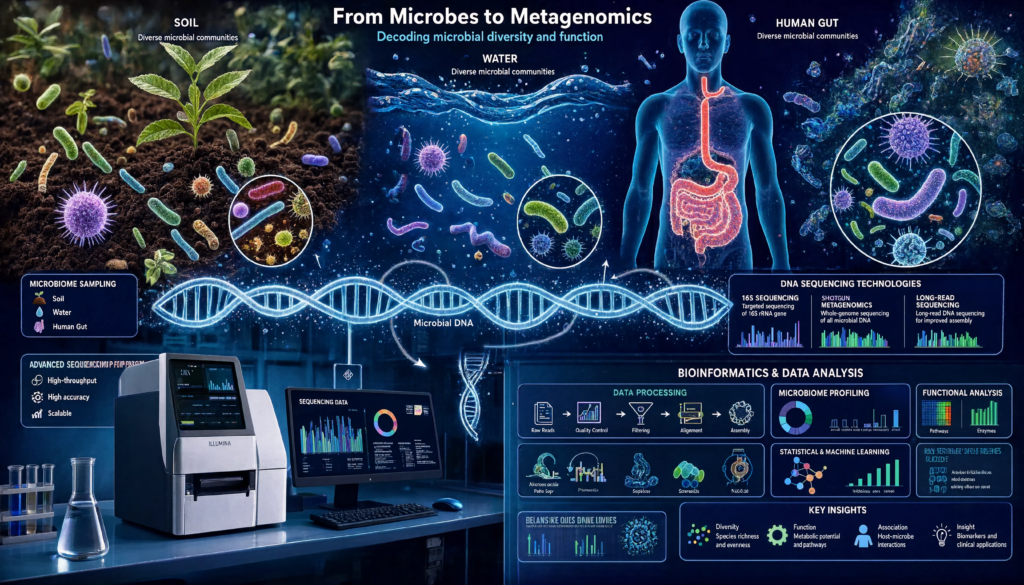
- Metagenomics: Analyzing microbial communities in diverse habitats.
NGS applications in South African research empower postgraduate studies, PhD programs, and collaborative international projects. CPGR partners with researchers to design studies, process samples, and ensure robust data delivery.
How CPGR is Advancing NGS in South Africa
At CPGR, we offer tailored NGS solutions to support researchers, clinicians, biotech startups, and government projects. Our services include:
- Whole genome sequencing
- Targeted resequencing
- RNA-seq and gene expression analysis
- Metagenomic profiling
- Clinical exome sequencing
We provide end-to-end support—from experimental design to final bioinformatics analysis—ensuring your research objectives are met with scientific precision.
Future of NGS Applications in South African Research
The future holds even more promise. With government backing, increased data-sharing, and AI-powered bioinformatics, NGS applications in South African research will play a pivotal role in solving some of Africa’s grand challenges—food security, health equity, and environmental sustainability.
At CPGR, we continue to invest in emerging technologies and build capacity to meet these evolving demands. Whether you’re in academia, health, or industry, we’re here to accelerate your journey with genomics.
Frequently Asked Questions
What is NGS used for in South Africa?
NGS is used to study genetics in health, agriculture, and biodiversity conservation across South African research institutions.
Which sectors benefit most from NGS applications in South Africa?
Health, agriculture, environmental science, and public health are the primary sectors leveraging NGS in South Africa.
How does CPGR support NGS research?
CPGR offers advanced sequencing services, bioinformatics analysis, and technical support for academic and commercial projects.
Is NGS affordable for researchers in South Africa?
Yes, NGS has become more cost-effective, and CPGR offers scalable solutions tailored to local research needs and budgets.
Can NGS be used for pandemic response in South Africa?
Absolutely. NGS was key during COVID-19 in South Africa for tracking variants and continues to support pathogen surveillance.