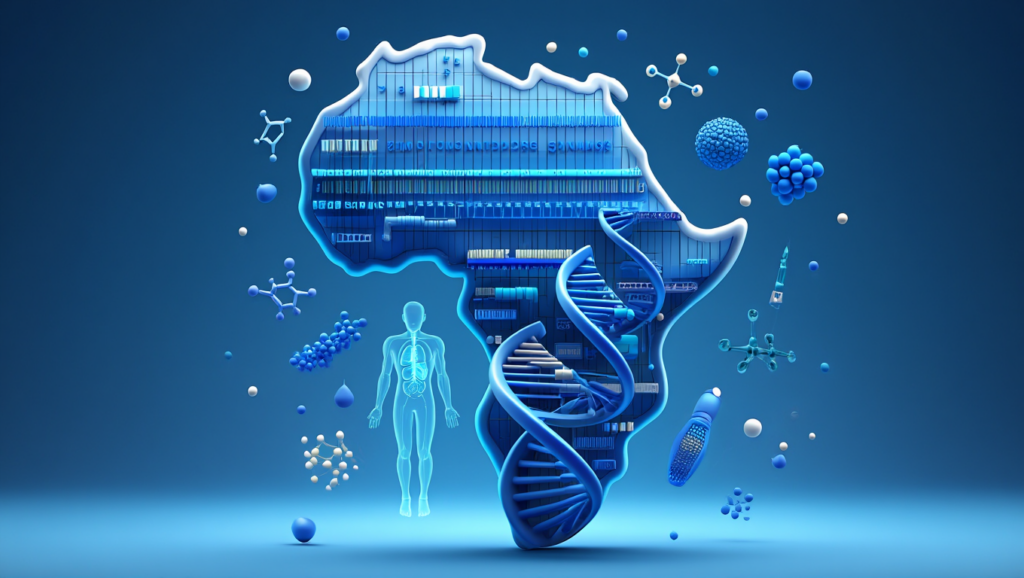
Genomics has rapidly evolved over the past two decades, revolutionizing the way researchers, clinicians, and biotech innovators study DNA and RNA. Among the most significant breakthroughs is Next Generation Sequencing (NGS), a high-throughput technology that has enabled large-scale genomic analysis at unprecedented speed and cost efficiency. Alongside this, Long Read Sequencing technologies are pushing boundaries further by resolving genomic complexities that were previously difficult to study.
At CPGR, we specialize in providing cutting-edge sequencing solutions, supporting scientific research and clinical diagnostics across Africa and beyond. Our mission is to empower researchers and organizations with advanced tools like NGS Next Generation Sequencing and Long Read Sequencing, ensuring they remain at the forefront of innovation in genomics.
What is Next Generation Sequencing (NGS)?
Next Generation Sequencing (NGS) refers to a group of advanced DNA sequencing technologies that allow scientists to read millions of DNA fragments in parallel. Unlike traditional Sanger sequencing, which processes one DNA fragment at a time, NGS accelerates the process, delivering comprehensive genomic data in a matter of hours or days.
Key features of NGS Next Generation Sequencing include:
- High throughput – ability to sequence large portions of genomes quickly.
- Cost-effectiveness – sequencing costs have dropped significantly.
- Precision – highly accurate results for a wide range of applications.
- Flexibility – applicable in genomics, transcriptomics, epigenetics, and metagenomics.
This technology has become indispensable in fields such as oncology, infectious diseases, rare disease diagnosis, personalized medicine, and agricultural biotechnology.
The Rise of Long Read Sequencing
While NGS provides high coverage and efficiency, short-read sequencing has limitations when analyzing complex genomic regions, structural variations, or repetitive sequences. This is where Long Read Sequencing comes in.
Long Read Sequencing technologies, such as those offered by Pacific Biosciences (PacBio) and Oxford Nanopore, can produce DNA reads of tens of thousands of base pairs in length. This longer read length provides greater context for genome assembly, variant detection, and structural analysis.
Benefits of Long Read Sequencing include:
- Resolving complex regions of the genome that short reads cannot cover.
- Improved genome assembly with fewer gaps and ambiguities.
- Accurate detection of structural variations like insertions, deletions, and translocations.
- Single-molecule sequencing capabilities that reduce errors in certain applications.
By combining NGS Next Generation Sequencing with Long Read Sequencing, researchers gain a more complete view of genomes, enabling groundbreaking discoveries in genetics and molecular biology.
Applications of NGS and Long Read Sequencing
Both sequencing technologies are being applied across diverse industries:
1. Medical Research and Precision Medicine
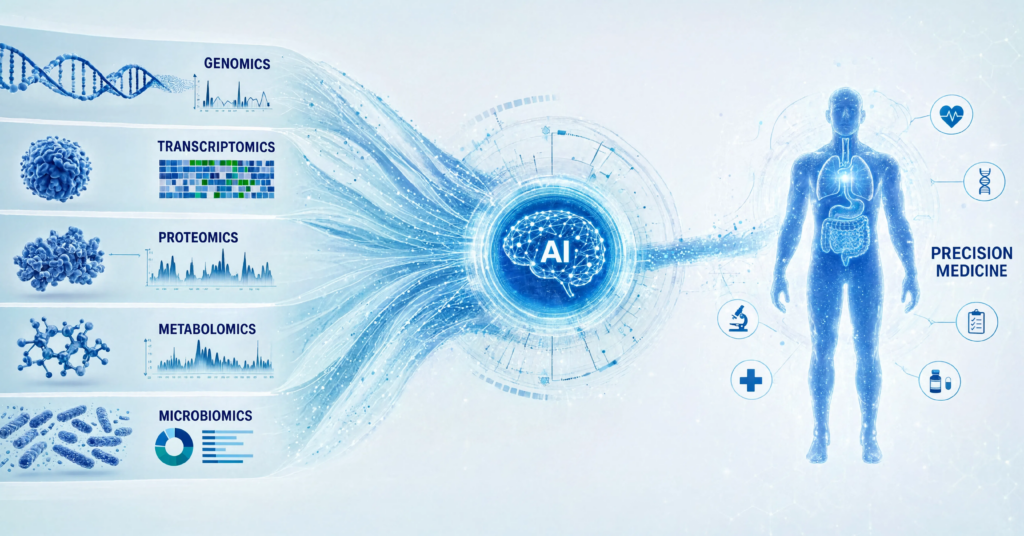
NGS is the backbone of precision medicine, helping identify genetic mutations that drive cancer or inherited disorders. Long Read Sequencing further enhances these studies by detecting structural variants that short reads may miss.
2. Infectious Disease Surveillance
During the COVID-19 pandemic, NGS was critical in tracking viral mutations. Long Read Sequencing provides additional insights into viral genome evolution and drug resistance.
3. Agriculture and Food Security
Crop genomics and livestock genetics rely heavily on sequencing to improve yield, disease resistance, and sustainability. Long Read Sequencing aids in understanding complex plant genomes.
4. Rare Disease Diagnosis
For patients with undiagnosed conditions, NGS helps uncover rare variants, while long-read methods ensure structural variations are not overlooked.
5. Microbiome Research
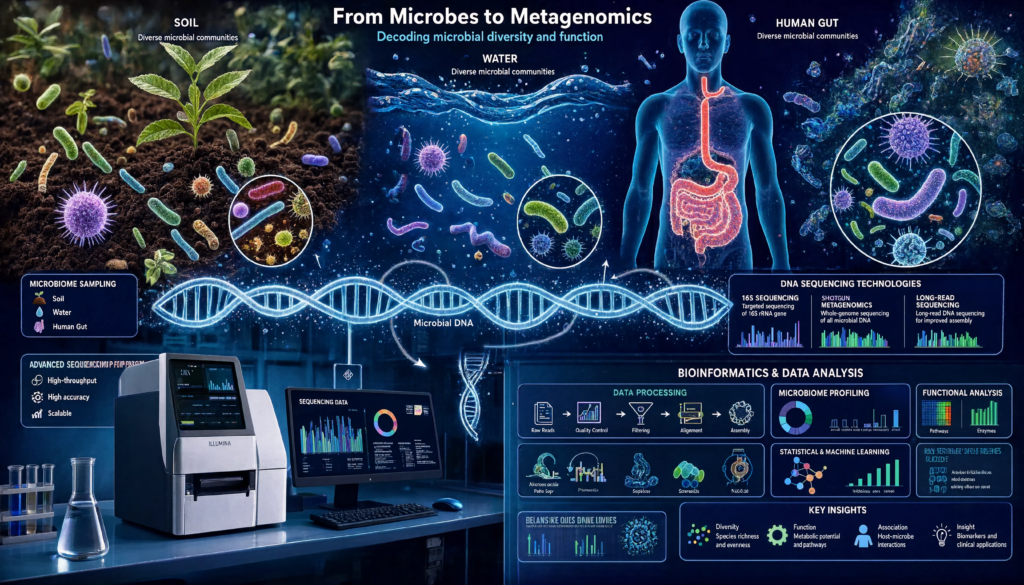
NGS allows high-throughput analysis of microbial communities, while Long Read Sequencing offers deeper resolution into microbial diversity and interactions.
Why CPGR is Your Trusted Partner in Genomics
At CPGR, we offer state-of-the-art sequencing technologies tailored to research and clinical needs. Our services include:
- NGS Next Generation Sequencing solutions for large-scale genomic projects.
- Long Read Sequencing for complex genomes and advanced research.
- Data analysis and bioinformatics support to ensure meaningful interpretation of results.
- Collaborative research support for universities, biotech firms, and healthcare providers.
By choosing CPGR, you gain access to expertise, advanced infrastructure, and a commitment to advancing genomics research across Africa.
The Future of Sequencing
The combination of Next Generation Sequencing (NGS) and Long Read Sequencing represents the future of genomic science. As technology advances, we can expect:
- Faster and cheaper sequencing accessible to more labs worldwide.
- Integration of AI and machine learning for improved variant calling and interpretation.
- Expansion of clinical applications, from oncology to neurology and infectious diseases.
- Greater use in population genomics, supporting large-scale studies of genetic diversity.
With CPGR’s expertise, researchers can harness these advancements to drive innovation and impact society positively.
Frequently Asked Questions
What is the difference between Next Generation Sequencing and Long Read Sequencing?
NGS Next Generation Sequencing produces millions of short reads quickly and cost-effectively, while Long Read Sequencing generates much longer reads that are useful for resolving complex genomic regions.
Why is NGS important in healthcare?
NGS helps identify genetic mutations linked to diseases, supports precision medicine, and enables faster, more accurate diagnostics for cancer, rare diseases, and infections.
When should researchers use Long Read Sequencing?
Long Read Sequencing is ideal when studying structural variations, complex genomes, or repetitive sequences that short-read NGS struggles to resolve.
How is CPGR supporting genomics research in Africa?
CPGR provides world-class sequencing technologies, bioinformatics expertise, and collaborative support, empowering African researchers to lead in genomics innovation.
Can NGS and Long Read Sequencing be used together?
Yes, combining both methods provides the most comprehensive genomic analysis by leveraging the accuracy of short reads and the structural clarity of long reads.
Conclusion
Next Generation Sequencing (NGS) and Long Read Sequencing are redefining how we explore the human genome and beyond. These technologies have become crucial in medicine, agriculture, and research, enabling discoveries that were once unimaginable.
At CPGR, we are proud to be a trusted partner in delivering advanced genomic solutions, empowering scientists and healthcare providers to harness the full potential of sequencing technologies. Whether you need NGS Next Generation Sequencing for large-scale projects or Long Read Sequencing for in-depth genomic studies, CPGR offers the expertise and infrastructure to support your goals.
The future of genomics is here—and with CPGR, you are equipped to lead the way.