Understanding NGS: Next Generation Sequencing
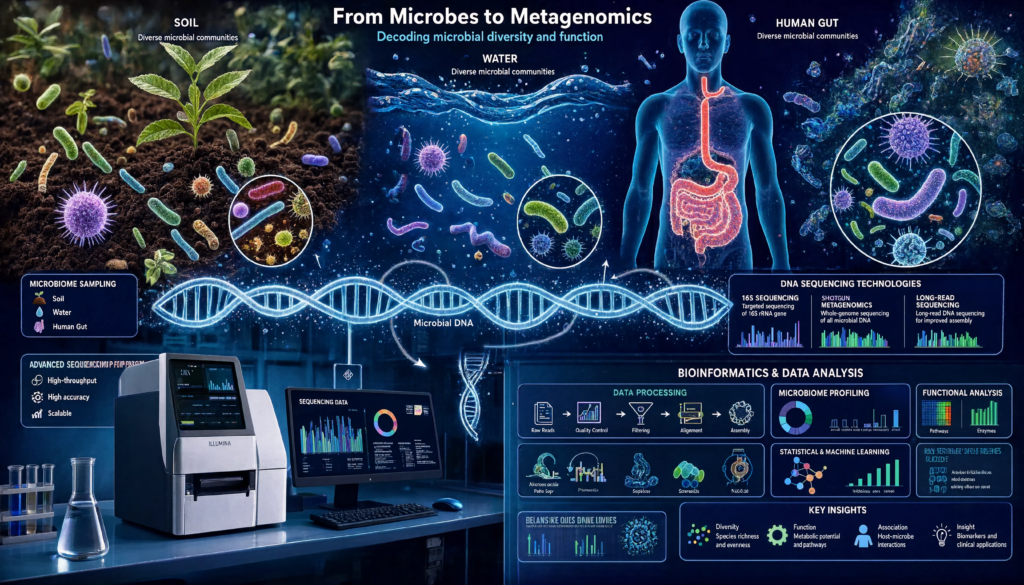
Next Generation Sequencing (NGS), also known as high-throughput sequencing, is a revolutionary DNA sequencing technology that has transformed biological sciences. Unlike traditional methods that decode one DNA strand at a time, NGS allows massive parallel sequencing—meaning millions of DNA fragments can be analyzed simultaneously.
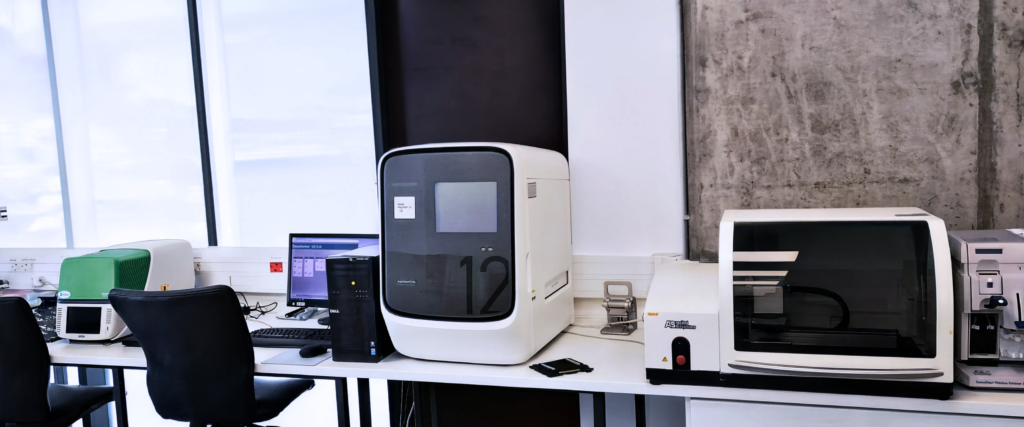
At CPGR (Centre for Proteomic and Genomic Research) in South Africa, we use NGS to decode genomes faster, more accurately, and at lower costs. From clinical diagnostics to academic research, NGS opens new possibilities in personalized medicine, cancer genomics, infectious disease tracking, and agricultural genomics.
Why South Africa Needs Next Generation Sequencing Now
South Africa faces unique health challenges—HIV, TB, cancer, and inherited diseases. Leveraging NGS Next Generation Sequencing enables faster, localized genomic research to improve diagnosis, treatment plans, and drug response insights.
Institutions like CPGR are driving the future by making NGS accessible for local labs, hospitals, universities, and biotech companies. Our Cape Town-based lab offers access to globally competitive sequencing capabilities right here in South Africa.
What Is Long Read Sequencing and Why It Matters
Long Read Sequencing is a newer advancement within the NGS field. While traditional NGS uses short reads (100–300 base pairs), long read sequencing allows the reading of fragments several thousand base pairs in length.
Why does that matter?
- It improves accuracy in detecting structural variants
- Resolves complex regions of the genome
- Offers full-length transcriptome profiling
- Enables de novo genome assembly without reference genomes
At CPGR, we offer both short-read NGS and long read sequencing solutions, using platforms like Oxford Nanopore and PacBio for comprehensive insights.
Applications of NGS and Long Read Sequencing in South Africa
1. Precision Medicine
NGS helps tailor treatments based on individual genetic profiles. In cancer genomics, sequencing tumor DNA reveals actionable mutations. CPGR offers gene panels designed for the South African population.
2. Infectious Disease Surveillance
During the COVID-19 pandemic, NGS was used to track variants in real time. In South Africa, the technology now assists in monitoring HIV, TB, and malaria mutations for public health decisions.
3. Rare and Inherited Disease Research
Many rare diseases go undiagnosed in South Africa due to lack of sequencing access. With NGS and long read sequencing, CPGR helps clinicians pinpoint rare mutations for accurate diagnoses.
4. Agricultural Genomics
South Africa’s agricultural sector can use NGS to sequence crops and livestock for better yields, drought resistance, and disease control. Long read sequencing helps decode plant genomes efficiently.
5. Academic and Clinical Research
Universities and hospitals in South Africa collaborate with CPGR for high-quality, affordable sequencing services. We support projects ranging from gene expression to epigenetic analysis.
Why Choose CPGR for Next Generation Sequencing in South Africa
CPGR combines cutting-edge sequencing technologies, experienced scientists, and a deep understanding of local needs. We ensure that South African researchers and clinicians have access to globally competitive genomic infrastructure without needing to outsource internationally.
- Accredited lab located in Cape Town
- Expertise in both NGS and long read sequencing
- End-to-end support from sample prep to bioinformatics
- Tailored panels for South African genetic diversity
Future of NGS Next Generation Sequencing in South Africa
As genome analysis costs drop and technologies advance, NGS will become routine in hospitals and research. Long read sequencing will further enhance our ability to understand full genomes, detect rare variants, and solve complex biological puzzles.
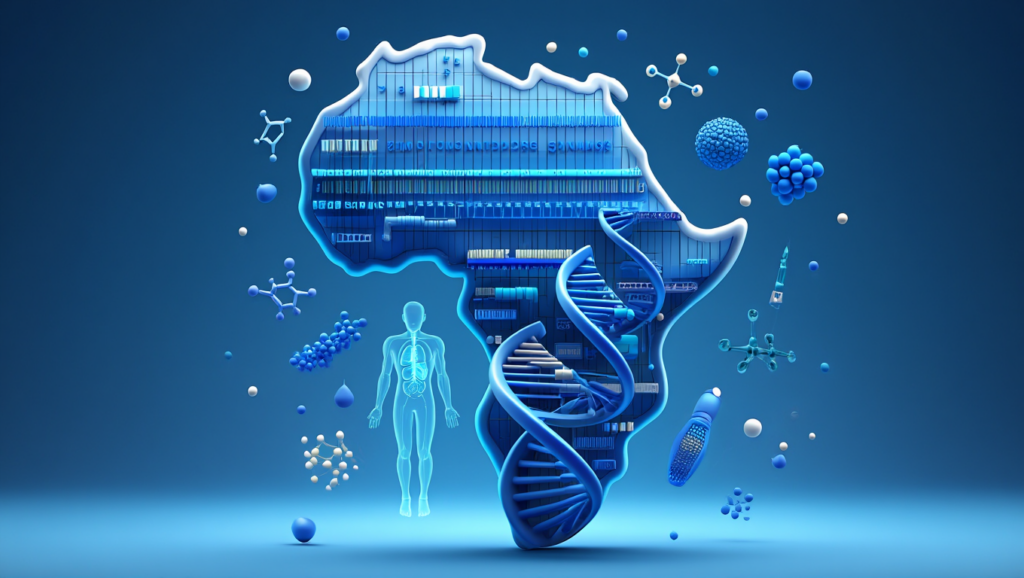
With CPGR leading the way, South Africa is well-positioned to become a genomics innovation hub on the continent.
FAQs About NGS and Long Read Sequencing
What is NGS Next Generation Sequencing used for?
NGS is used to sequence DNA or RNA quickly and efficiently for research, diagnostics, and personalized medicine.
How does long read sequencing differ from short read NGS?
Long read sequencing reads longer DNA fragments, allowing for better genome assembly and detection of complex variants.
Is NGS available in South Africa?
Yes, CPGR offers world-class NGS and long read sequencing services in South Africa.
Can NGS detect genetic diseases?
Absolutely. NGS helps identify genetic mutations that cause inherited diseases, even those difficult to diagnose.
How can researchers in South Africa access NGS?
They can partner with CPGR in Cape Town for reliable, cost-effective sequencing solutions tailored to local research needs.
Final Note:
If you’re a researcher, clinician, or scientist in South Africa, now is the time to explore how Next Generation Sequencing and Long Read Sequencing can revolutionize your work. Partner with CPGR for high-impact results and future-ready solutions.Let the genomics revolution begin—right here in South Africa