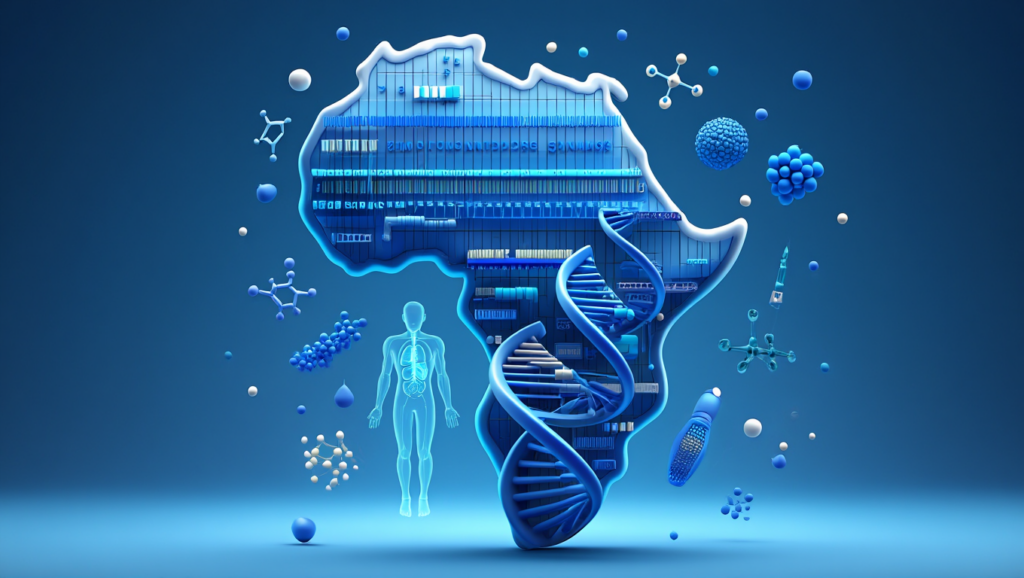
In South Africa, scientific innovation is evolving fast—particularly in the realm of genomics. At CPGR, we are proud to be pioneers in offering advanced genetic solutions through cutting-edge technologies like Next Generation Sequencing (NGS) and Long Read Sequencing. Whether you’re a clinical researcher, academic, or biotechnology company, our platforms provide precision, speed, and depth for your sequencing needs.
What Is Next-Generation Sequencing (NGS)?
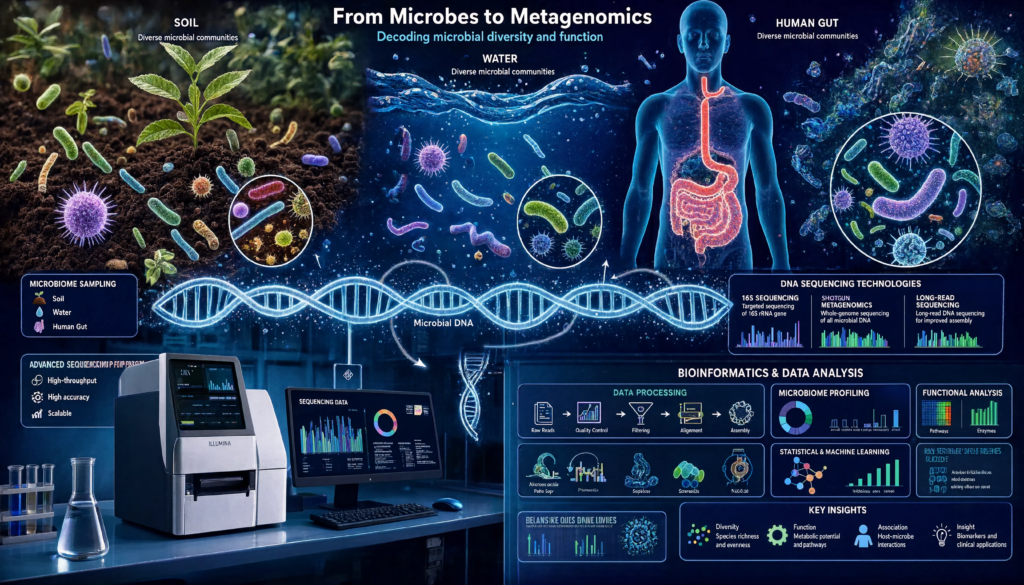
NGS Next Generation Sequencing refers to modern, high-throughput technologies that can sequence DNA and RNA much faster than traditional methods. Unlike Sanger sequencing, which processes one DNA fragment at a time, NGS can sequence millions of fragments simultaneously. This significantly reduces time, cost, and error rates.
At CPGR, our NGS Next Generation Sequencing services empower South African researchers with in-depth insights into the human genome, microbiomes, and more. From cancer genomics to infectious diseases, our sequencing solutions play a critical role in healthcare and scientific discovery.
Advantages of NGS and Long Read Sequencing
Both NGS and Read Sequencing provide unique advantages. Here’s how they differ and complement each other:
NGS Next Generation Sequencing Benefits
- High-throughput data in less time
- Cost-effective for large-scale projects
- Ideal for detecting SNPs, mutations, and gene expression patterns
Long Read Sequencing Benefits
- Reads long stretches of DNA without fragmentation
- Better accuracy in complex regions (e.g., repetitive sequences)
- Excellent for structural variation analysis and de novo genome assembly
By offering both technologies under one roof in South Africa, CPGR delivers unmatched flexibility and accuracy in genomic workflows.
Applications of NGS and Long Read Sequencing in South Africa
The need for genomic insight is rapidly growing in South Africa’s medical, agricultural, and research communities. CPGR supports various industries through:
Clinical Diagnostics
Our Next Generation Sequencing South Africa services are used for diagnosing rare diseases, cancers, and genetic disorders. With targeted panels and whole-exome sequencing, we enable faster, more precise clinical decisions.
Agricultural Genomics
Genomic selection is transforming South African agriculture. By analysing plant and livestock DNA, we assist farmers in breeding resilient, high-yield species using Long Read Sequencing for superior genome resolution.
Microbiome and Infectious Disease Research
NGS helps track emerging diseases and antimicrobial resistance. From tuberculosis to COVID-19, CPGR provides accurate, timely data that influences public health policy and treatment strategies.
Pharmacogenomics and Drug Development
Understanding how individuals respond to medications is vital. Our NGS Next Generation Sequencing South Africa platform enables pharmaceutical companies to tailor drugs to specific genetic profiles.
Why Choose CPGR for NGS and Long Read Sequencing in South Africa?
At CPGR, we combine world-class infrastructure with local expertise. Here’s what sets us apart:
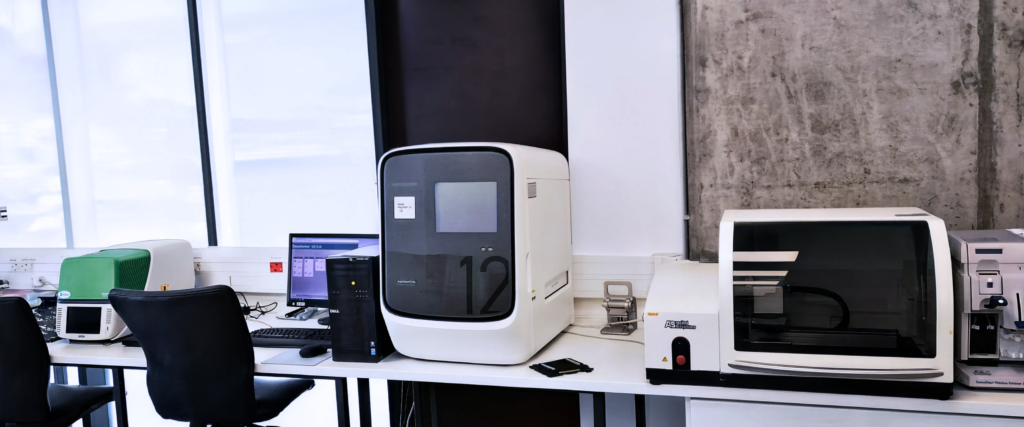
- State-of-the-art sequencing platforms (Illumina, PacBio, Oxford Nanopore)
- Expert bioinformatics team delivering actionable insights
- Secure data management compliant with global standards
- End-to-end project support from sample prep to interpretation
Our Johannesburg and Cape Town facilities ensure nationwide accessibility for Next Generation Sequencing in South Africa, making genomic solutions more inclusive and impactful.
NGS in South Africa: A Catalyst for Research and Innovation
South Africa is increasingly recognised for its scientific excellence. By adopting technologies like NGS Next Generation Sequencing, local institutions can participate in global research, contribute to personalised healthcare, and drive biotech entrepreneurship.
CPGR collaborates with hospitals, universities, and research institutes across South Africa to promote genomic literacy and infrastructure. Whether you’re conducting a single-gene test or a whole genome analysis, we ensure quality, speed, and accuracy every step of the way.
How to Get Started with CPGR’s Genomic Services
Getting started is easy. Here’s a quick look at our process:
- Consultation with our genomics experts
- Project design and custom sequencing strategy
- Sample collection and QC
- High-throughput sequencing (NGS or Long Read)
- Bioinformatics analysis and reporting
- Ongoing support and result interpretation
We tailor every project to meet your scientific goals and budget constraints.
The Future of Genomics in South Africa
As data becomes the new currency in biology, Next Generation Sequencing South Africa will continue to drive progress in medicine, agriculture, and conservation. Technologies like Long Read Sequencing will unlock parts of the genome we previously couldn’t reach, creating new frontiers in genomics research.
At CPGR, we’re excited to be part of this transformation, offering South African institutions the genomic tools they need to solve real-world problems.
Ready to Transform Your Research?
Contact CPGR today to explore how our NGS Next Generation Sequencing and Long Read Sequencing services can accelerate your discoveries. From Cape Town to Pretoria, we serve researchers and clinicians across South Africa with advanced, reliable, and customizable solutions.