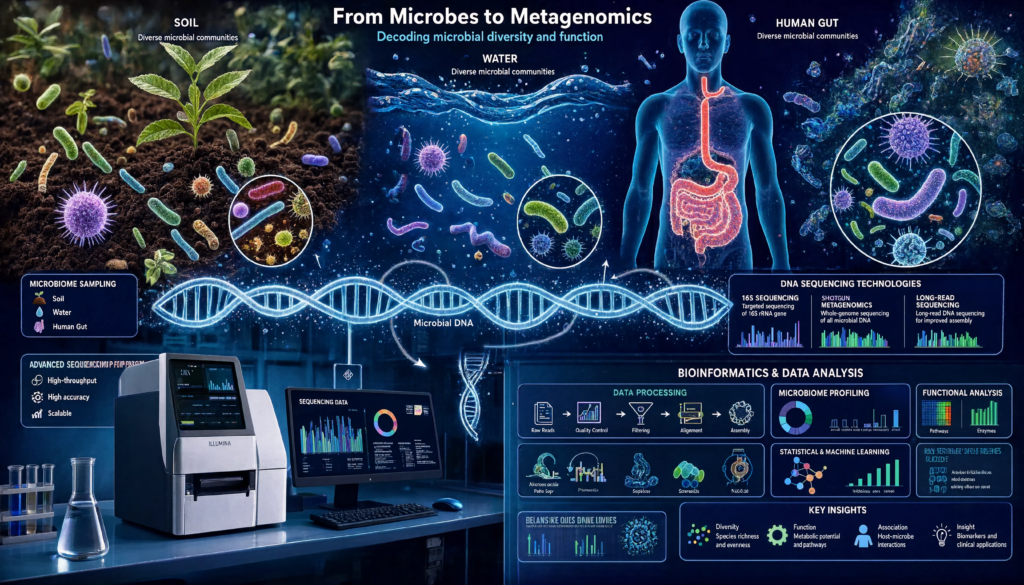
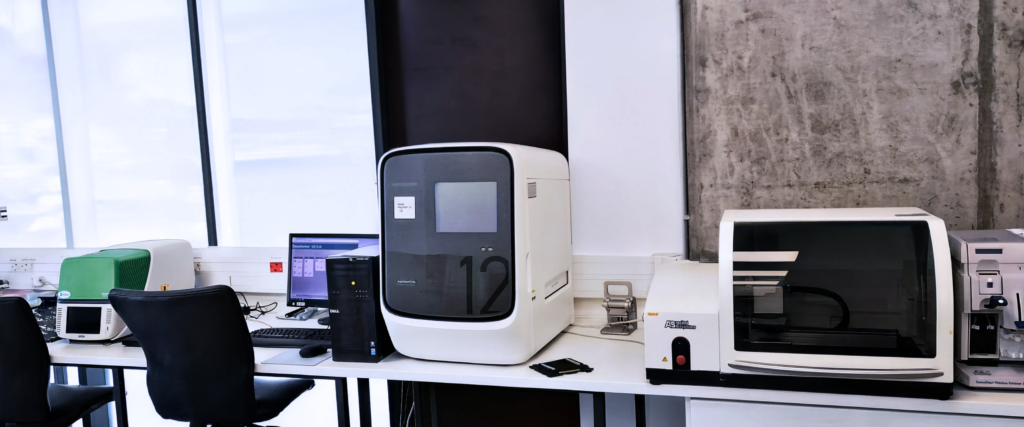
In recent years, Nanopore Technology has become a game-changer in the world of genomics. With the ability to deliver real-time, long-read DNA and RNA sequencing, Oxford Nanopore Technology is transforming how researchers, clinicians, and innovators understand biology at the molecular level. In South Africa, this cutting-edge approach is gaining momentum—thanks in part to institutions like CPGR (Centre for Proteomic and Genomic Research), which are making advanced genomic tools more accessible than ever before.
What is Nanopore Technology?
Nanopore Technology refers to a novel DNA sequencing method that uses nanopores—tiny holes a few nanometers wide—to read DNA or RNA strands directly. As molecules pass through these nanopores, changes in electrical current are measured and translated into nucleotide sequences.
Unlike older sequencing methods, Oxford Nanopore’s technology allows:
- Real-time data streaming
- Long-read sequencing, ideal for complex genomes
- Portability, through devices like the MinION
- Rapid diagnostics, especially useful in clinical and field settings
The Role of Oxford Nanopore Technology
Oxford Nanopore Technologies, a UK-based company, is the global pioneer behind this approach. Their product range includes portable devices like the MinION, high-throughput systems like PromethION, and even field-ready setups that can fit in the palm of your hand.
Oxford Nanopore Technology stands out because of:
- Scalability for small labs to large institutions
- Real-time analytics capabilities
- Compatibility with various sample types, including viruses, bacteria, and human genomes
- Rapid turnaround, which is especially valuable for outbreak tracking and personalized medicine
Nanopore Sequencing in South Africa: Why It Matters
South Africa has unique needs in the genomic space. With its high genetic diversity and public health challenges such as tuberculosis, HIV, and cancer, rapid and accessible sequencing is critical. Traditional sequencing technologies often require expensive infrastructure and time-consuming sample prep, which can slow down urgent diagnostics and limit research potential.
This is where Nanopore Technology makes a difference. It provides:
- Faster results in clinical and field settings
- Cost-effective genomic insights for research institutions
- Accessibility for rural or under-resourced laboratories
- Greater adaptability to local needs and studies
CPGR: Driving Genomic Innovation in South Africa
At the forefront of this revolution is CPGR. Based in South Africa, CPGR is a non-profit company that offers advanced genomics and proteomics services to academic, clinical, and commercial clients. Their adoption of Oxford Nanopore Technology showcases a commitment to advancing Africa’s bioeconomy.
Through CPGR, researchers across South Africa gain:
- Access to Nanopore sequencing platforms and support
- Expert data analysis services
- Training and collaboration opportunities
- Custom project support tailored to African health and agricultural needs
Whether it’s genome mapping, infectious disease surveillance, or cancer research, CPGR provides tools and expertise to make complex research faster, more affordable, and more impactful.
Key Use Cases in South Africa
Here are some real-world examples where Nanopore Technology is adding value in South Africa:
1. Infectious Disease Surveillance
Rapid detection of viruses like SARS-CoV-2, HIV, and Ebola is crucial. Oxford Nanopore Technology allows public health researchers to sequence virus genomes quickly—helping track variants and outbreaks in real time.
2. Agricultural Genomics
Nanopore sequencing is being used to analyze plant and animal genomes. This supports agricultural innovation, helps preserve biodiversity, and enables precision breeding.
3. Cancer and Rare Disease Research
By enabling long-read sequencing, Nanopore Technology can uncover structural variants, gene fusions, and epigenetic markers—critical for personalized cancer treatments and rare disease diagnostics.
4. Education and Capacity Building
CPGR and other partners are using Nanopore tools to train the next generation of African genomic scientists. Portability and affordability mean students can get hands-on experience with advanced tech without major capital costs.
Future Outlook: A Genomic Leap Forward
The growth of Nanopore Technology in South Africa is more than just a technological trend—it’s part of a larger movement toward accessible, decentralized genomics. Oxford Nanopore’s innovation, combined with local leadership from CPGR, is democratizing scientific discovery in ways previously unimaginable.
As we look ahead, several key developments are expected:
- Increased clinical adoption in diagnostics and personalized medicine
- Greater integration in academic research and public health policy
- Expanded access to remote or underserved areas through mobile sequencing
- Continued partnerships between CPGR and global genomic leaders
Final Thoughts
The rise of Oxford Nanopore Technology in South Africa marks a critical step in the country’s scientific and healthcare evolution. By enabling real-time, high-resolution sequencing anywhere, it empowers local researchers, strengthens health systems, and paves the way for breakthroughs in everything from infectious disease control to precision agriculture.
With organizations like CPGR championing this technology, South Africa is well-positioned to lead Africa’s genomic future, making advanced science more inclusive, responsive, and impactful than ever before.