The study of the human microbiome and its impact on health, disease, and the environment has emerged as one of the most dynamic fields in modern biology. In South Africa, this field is growing rapidly, with specialized facilities offering cutting-edge services to researchers, clinicians, and industry stakeholders. One leading institution in this area is CPGR, a Cape Town-based non-profit company dedicated to advancing genomic research and innovation in Africa.
Through their dedicated platforms like Microbiome Sequencing South Africa and Microbiome Research, CPGR provides essential services that help unlock the vast potential of microbiome studies for medical, agricultural, and environmental applications.
In this article, we will explore what microbiome sequencing is, why it matters, and how South Africa is using these insights to transform healthcare, agriculture, and scientific research.
What is the Microbiome and Why Sequence It?
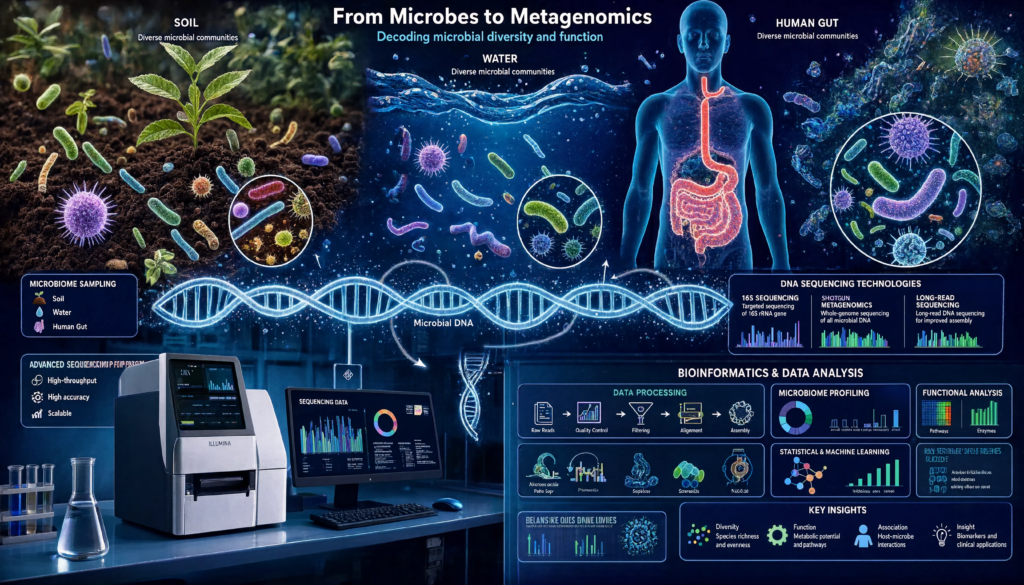
The microbiome refers to the collective genomes of microorganisms—bacteria, fungi, viruses, and protozoa—that inhabit a given environment. In humans, the gut microbiome alone contains trillions of organisms, many of which play critical roles in digestion, immunity, and even mental health.
Microbiome sequencing is the process of analyzing and identifying these microorganisms at the genetic level. Unlike traditional culture-based methods, sequencing provides a comprehensive picture of microbial communities, their diversity, and their functional capacity. This information can reveal links between microbial imbalances and diseases, help develop new therapies, and improve personalized medicine.
Why Microbiome Sequencing Matters in South Africa
South Africa has unique environmental and health challenges that make microbiome research particularly valuable. From high rates of infectious diseases like HIV and tuberculosis to rising lifestyle diseases such as diabetes and cancer, understanding the microbiome’s influence on health could lead to better prevention and treatment strategies.
Additionally, South Africa’s diverse ecosystems—from coastal zones to savannas—provide a unique opportunity to study environmental microbiomes. These studies can inform sustainable agriculture, conservation efforts, and even climate change adaptation strategies.
By offering local access to microbiome sequencing, CPGR is reducing dependency on overseas facilities and empowering African researchers with world-class tools.
CPGR’s Role in Microbiome Sequencing
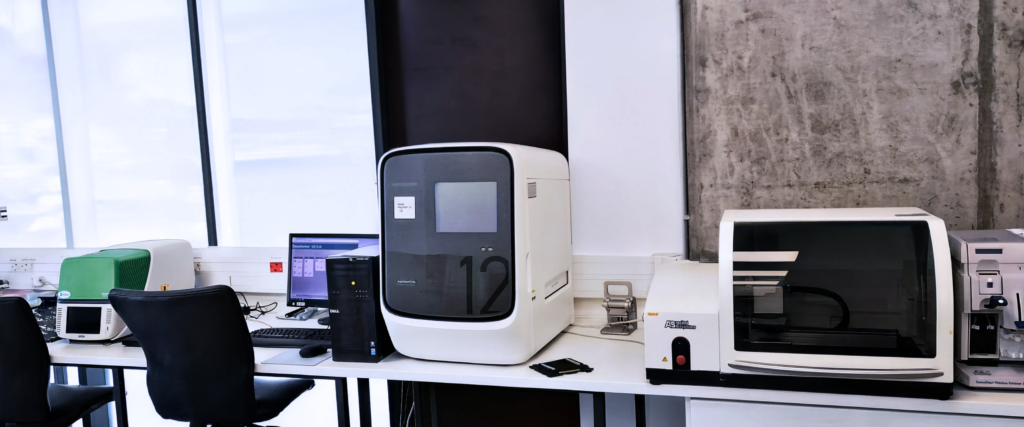
CPGR (Centre for Proteomic and Genomic Research) is a leader in providing advanced genomics and proteomics services in South Africa. With state-of-the-art infrastructure and expertise, CPGR enables scientists to generate high-quality microbiome sequencing data for clinical, agricultural, and industrial applications.
Their microbiome sequencing services include:
- 16S rRNA sequencing for bacterial community profiling
- Metagenomic sequencing for broader community analysis
- Metatranscriptomics for studying active microbial functions
- Custom bioinformatics support for data analysis and interpretation
Through these services, CPGR helps researchers uncover insights into microbial ecosystems that can drive innovation across multiple disciplines.
Applications of Microbiome Sequencing in South Africa
1. Human Health and Medicine
Microbiome sequencing is transforming healthcare in South Africa by enabling deeper understanding of how microbial imbalances contribute to conditions like obesity, diabetes, cancer, and autoimmune diseases. It also plays a role in infectious disease research, offering clues about host-pathogen interactions and responses to treatment.
2. Agriculture and Food Security
South Africa’s agricultural sector faces challenges such as soil degradation, pests, and climate change. Microbiome sequencing can help optimize soil health, improve crop resilience, and reduce reliance on chemical fertilizers. It also aids in monitoring livestock gut health, improving productivity and sustainability.
3. Environmental Studies
From monitoring water quality to studying biodiversity in natural reserves, microbiome sequencing allows scientists to assess ecological health and understand the impact of human activity on the environment.
4. Biotechnology and Industry
Microbiomes are rich sources of enzymes, bioactive compounds, and other biomolecules with industrial applications. In South Africa, this opens avenues for bioprospecting, biofuel development, and bioremediation.
Technologies Powering Microbiome Sequencing
Microbiome sequencing relies on next-generation sequencing (NGS) technologies, which provide high-throughput and cost-effective analysis. At CPGR, platforms such as Illumina and Oxford Nanopore are used to generate precise microbial community profiles.
Coupled with advanced bioinformatics pipelines, these technologies allow researchers to move beyond identifying microbes to understanding their interactions, metabolic pathways, and potential roles in health and disease.
Challenges and Opportunities in South Africa
While microbiome sequencing offers tremendous promise, South Africa faces challenges such as funding constraints, data analysis capacity, and the need for trained professionals in bioinformatics. However, institutions like CPGR are addressing these barriers by providing both technical expertise and training opportunities.
The increasing recognition of microbiome research’s clinical and commercial value also means greater investment is likely in the coming years. This positions South Africa as a significant player in global microbiome science.
The Future of Microbiome Research in South Africa
Looking ahead, microbiome sequencing in South Africa will continue to expand its impact. Personalized medicine, precision agriculture, and environmental monitoring are just the beginning. By integrating microbiome insights with other “omics” fields like proteomics and metabolomics, CPGR and its partners are paving the way for holistic systems biology approaches.
This integrated vision holds promise for improving lives, strengthening food security, and addressing ecological challenges in the region.
FAQs
What is microbiome sequencing and why is it important?
It is the genetic analysis of microbial communities. It helps reveal their role in health, disease, and ecosystems.
How is microbiome sequencing used in South African studies?
It supports healthcare, agriculture, and environmental projects. Local researchers use it to address national health and sustainability challenges.
What clinical value comes from microbiome research?
It aids in diagnosing diseases, personalizing treatment, and understanding how microbes influence human health outcomes.
What technologies support microbiome sequencing?
Next-generation sequencing platforms like Illumina and Nanopore, combined with bioinformatics tools, make microbiome analysis possible.
Where can microbiome sequencing services be accessed in South Africa?
CPGR in Cape Town offers specialized microbiome sequencing and bioinformatics services for researchers and clinicians.
Conclusion
Microbiome sequencing is reshaping how South Africa approaches health, agriculture, and environmental sustainability. With institutions like CPGR leading the way through microbiome sequencing services and microbiome research initiatives, local researchers and industries can harness the power of microbial communities to drive innovation and improve lives.
By investing in microbiome science, South Africa is not only advancing its own healthcare and agricultural systems but also contributing to global knowledge in this rapidly evolving field.