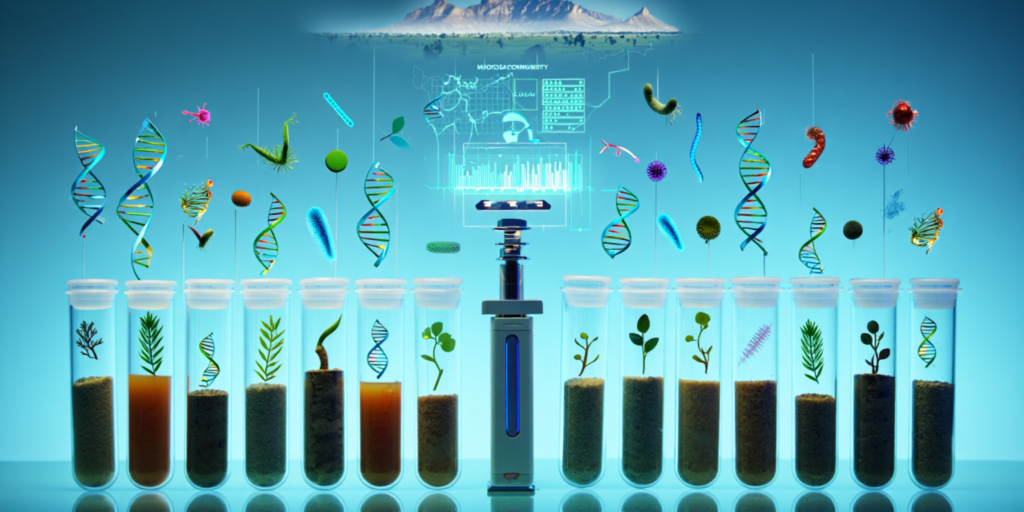
Metagenomics in South Africa is opening a window into invisible worlds. Beneath every South African soil surface, within every gut, in every river and coastal bay, microbial communities of extraordinary complexity and diversity are shaping ecosystems, influencing human health, and driving processes critical to life on earth. Metagenomics, the sequencing of all genetic material directly from environmental or clinical samples makes these communities visible for the first time, without the need to grow individual organisms in the laboratory. The Centre for Proteomic and Genomic Research (CPGR) in Cape Town is at the forefront of metagenomic sequencing in South Africa, offering a comprehensive suite of services for researchers and industry clients across academia, healthcare, agriculture, and environmental science.
What Is Metagenomics?
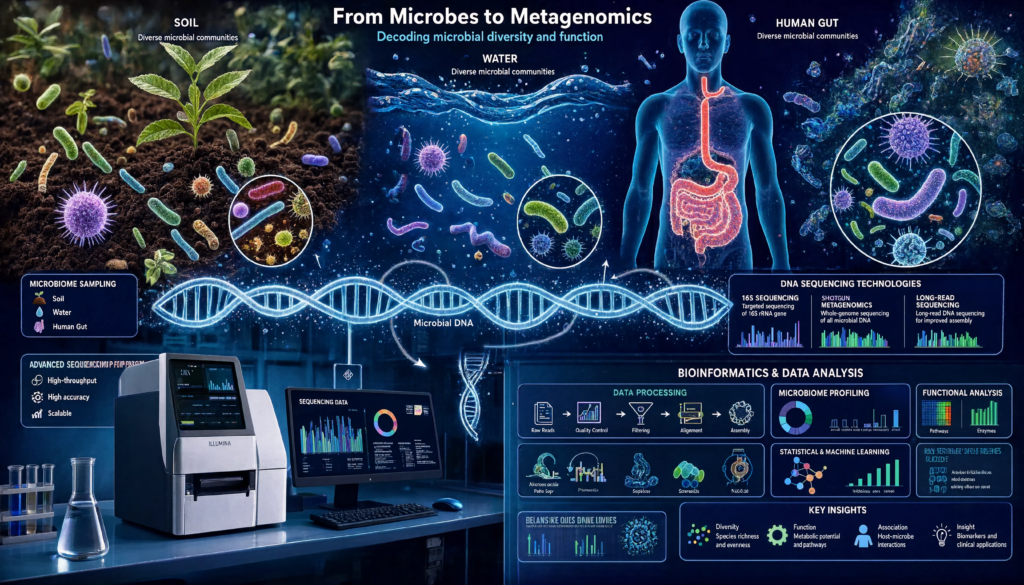
Metagenomics is the sequencing and computational analysis of all genetic material DNA or RNA extracted directly from a complex sample: soil, water, stool, blood, respiratory secretions, or any other biological or environmental matrix. Because it sequences everything present in a sample simultaneously, metagenomics provides a comprehensive, unbiased view of the biological communities inhabiting that sample their composition, diversity, and functional potential. Metagenomics became central to microbiome and microbial research because it solves the biggest practical problem in microbiology.
This is revolutionary because the vast majority of microorganisms on earth estimated at over 99% of all microbial species cannot be cultured under standard laboratory conditions. Traditional microbiology could only study the minority of microbes we can grow in the lab. Metagenomics removes this constraint entirely, making it possible to characterize entire ecosystems at a molecular level. Through Next Generation Sequencing (NGS) technology, metagenomics South Africa is generating insights that are transforming ecology, medicine, and biotechnology.
Why Metagenomics South Africa Matters
South Africa provides uniquely compelling settings for metagenomics research. The country’s extraordinary ecological diversity, encompassing the Cape Floristic Region (the world’s most biodiverse terrestrial ecosystem), Karoo biome, tropical forests, and extensive coastlines harbours microbial communities unlike those found anywhere else on earth. At the same time, South Africa’s pressing public health, agricultural, and environmental challenges create urgent demand for metagenomic insight:
- Infectious disease diagnostics: Clinical metagenomics can detect pathogens in a sample simultaneously, without prior knowledge of what to look for critical in immunocompromised HIV patients with atypical infections.
- Mine remediation: South Africa’s mining legacy has created severe environmental contamination. Metagenomic surveys of mine drainage communities reveal specialised microbes with bioremediation potential.
- Food security: Agricultural metagenomics characterises the soil microbiomes that support crop growth informing the development of microbial biofertilisers and biopesticides.
- Water quality: Metagenomic monitoring of rivers and municipal water supplies tracks pathogen presence and microbial diversity as indicators of environmental health.
CPGR’s Metagenomics Services and Technology
CPGR offers a comprehensive long-read sequencing analysis on the PromethION24 by Oxford Nanopore Technologies, managed by a dedicated team and delivered under its ISO 9001:2015-certified quality management system:
- Targeted Metagenomic Sequencing: Amplicon-based sequencing of specific genetic markers (16S rRNA for bacteria, ITS for fungi, 18S for eukaryotes) to characterise microbial community composition quickly and cost-effectively.
- Shotgun Metagenomics: Unbiased sequencing of all DNA in a sample providing information on both taxonomic identity and the full functional gene repertoire of the microbial community.
- Metatranscriptomic Sequencing: RNA sequencing of microbial communities to reveal which genes are actively expressed capturing microbial activity, not just presence.
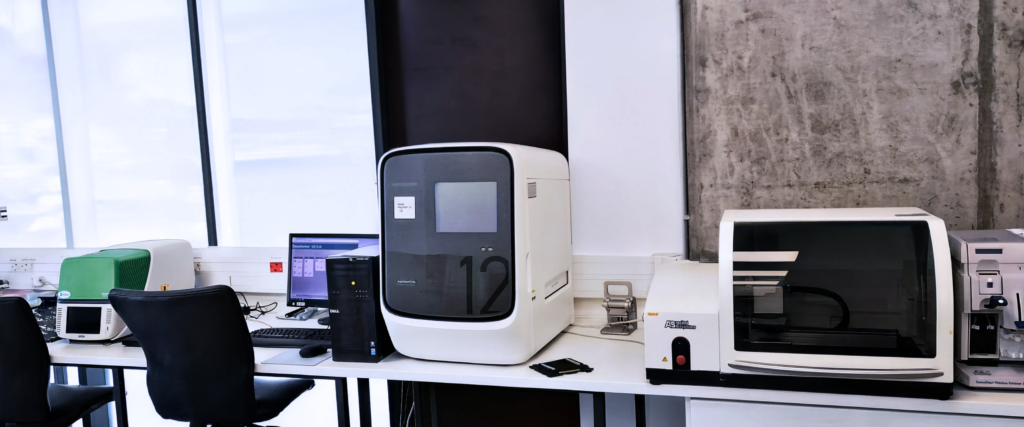
CPGR’s metagenomics workflows use the Oxford Nanopore PromethION 24 for high-throughput long-read sequencing and the MinION Mk1C for portable real-time sequencing in field settings. Nucleic acid extraction is performed using validated protocols on KingFisher Flex and QIAcube platforms, with quality assessed by TapeStation and Qubit, ensuring sequencing-ready samples across all metagenomics applications.
Environmental Metagenomics in South Africa
South Africa’s unique biomes make it an extraordinary setting for environmental metagenomics:
Soil Microbiomes: Fynbos soils characterised by nutrient-poor, acidic conditions harbour highly specialised microbial communities that have evolved in isolation for millions of years. Metagenomic surveys are identifying novel organisms with potential applications in biotechnology and pharmaceutical discovery.
Acid Mine Drainage: South Africa’s extensive mining history has produced acid mine drainage (AMD), highly acidic, metal-rich water that poses severe environmental risks. Metagenomic studies of AMD communities have identified specialised acidophilic microbes capable of metabolising metals organisms with potential for passive bioremediation of contaminated water systems.
Aquatic and Marine Ecosystems: Metagenomic monitoring of rivers, estuaries, and marine environments around South Africa tracks the impacts of agricultural runoff, urban pollution, and climate change on microbial communities providing early warning indicators of ecosystem degradation.
Clinical Metagenomics: Pathogen Detection and Microbiome Research
Clinical metagenomics is transforming how South African clinicians and researchers approach infectious disease and human health:
Hypothesis-Free Pathogen Detection: Metagenomic sequencing of clinical samples (blood, CSF, sputum, stool) can detect bacteria, viruses, fungi, and parasites simultaneously without the need for prior selection of diagnostic targets. This is particularly valuable for immunocompromised HIV-positive patients who may present with atypical or co-occurring infections.
HIV and the Gut Microbiome: HIV infection profoundly disrupts gut microbial communities, increasing intestinal permeability and driving chronic immune activation even in people on effective ART. South African researchers are using metagenomics to characterise how ART and nutritional interventions affect the gut microbiome of HIV-positive individuals.
Childhood Malnutrition: Gut microbiome dysfunction contributes to stunting and wasting in South African children. Metagenomic characterisation of malnourished children’s gut microbiomes is informing the development of microbiome-directed therapeutic foods to support recovery.
Agricultural and Biodiversity Metagenomics
Beyond health, metagenomics South Africa is increasingly applied in agriculture and conservation sectors critical to the country’s food security and environmental sustainability:
Crop and Soil Health: Metagenomic analysis of agricultural soils identifies beneficial microbes, plant growth-promoting bacteria, nitrogen-fixing organisms, mycorrhizal fungi that can be applied as biofertilisers or biopesticides, reducing dependence on synthetic chemicals and improving crop yields sustainably.
Livestock Health: Gut microbiome studies of cattle, sheep, and poultry using targeted and shotgun metagenomics are revealing how microbiome composition influences feed conversion efficiency, disease resistance, and animal productivity.
Biodiversity Monitoring: Metagenomics is being deployed in South African national parks and marine protected areas to monitor ecosystem health using shifts in microbial community composition as sensitive indicators of environmental change, pollution, and climate impact.