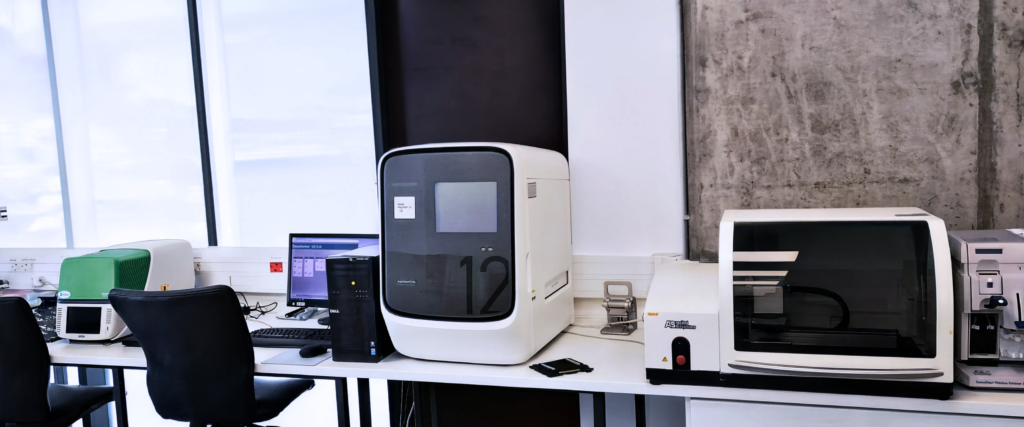
In recent years, South Africa has seen rapid growth in genomic science, thanks to evolving technologies like metagenomics, bioinformatics, and pharmacogenomics. These fields are revolutionizing how scientists understand health, disease, and biodiversity. At the forefront of this transformation is CPGR (Centre for Proteomic and Genomic Research)—a leader in delivering cutting-edge genomic services in Africa.
What is Metagenomics?
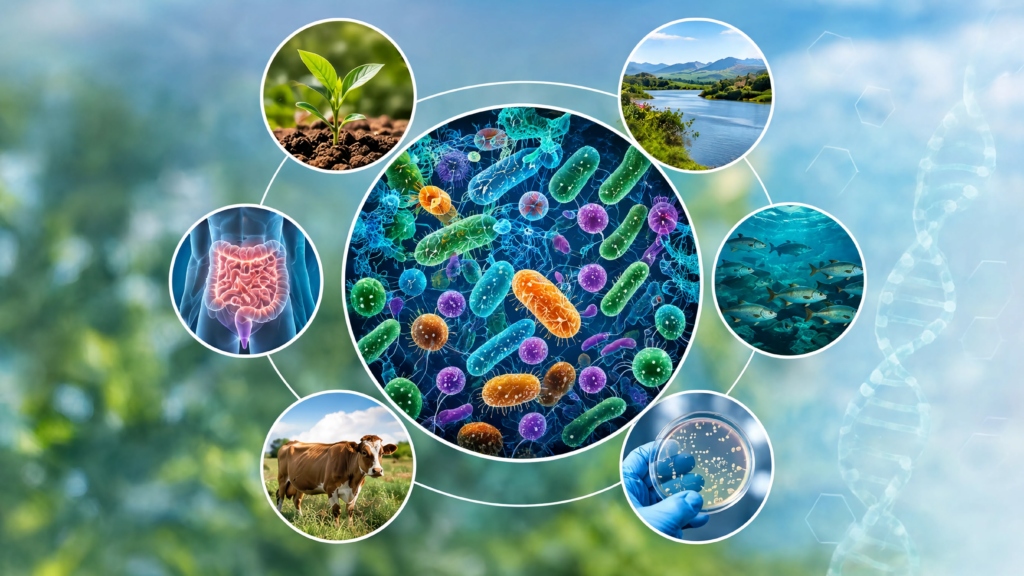
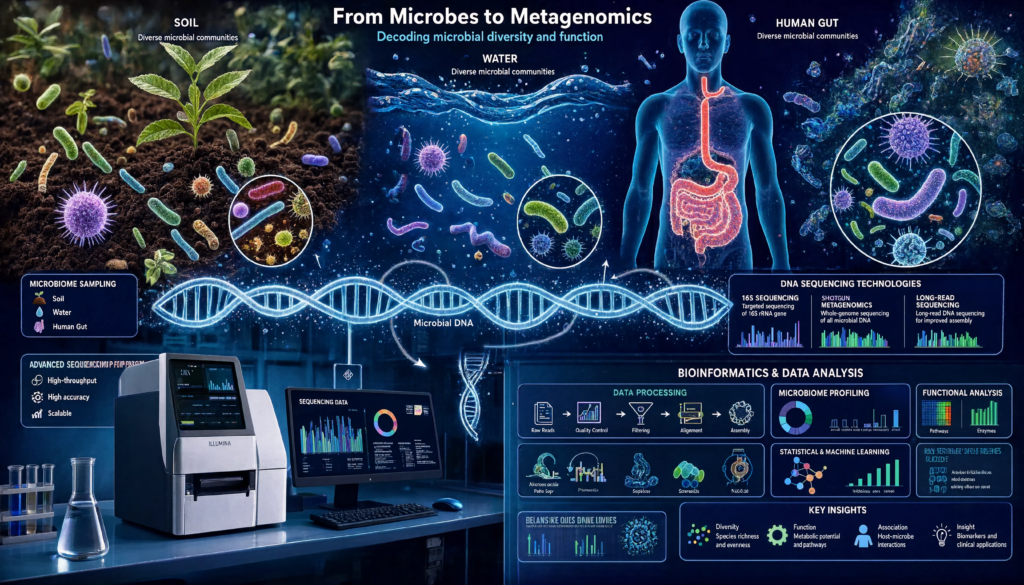
Metagenomics is the study of genetic material recovered directly from environmental samples. Unlike traditional methods, it doesn’t require culturing organisms in a lab. Instead, it sequences DNA directly from the environment—be it soil, water, or the human gut.
This field is crucial for uncovering new microbial species, understanding ecosystems, and even tracking infectious diseases. In South Africa, where biodiversity is immense, metagenomics allows researchers to identify microorganisms in wildlife, agriculture, and clinical settings.
How Bioinformatics Powers Modern Genomics
Bioinformatics is the computational backbone of modern biology. It involves collecting, storing, analyzing, and interpreting complex biological data. In the context of metagenomics, bioinformatics helps researchers make sense of massive DNA sequences collected from various samples.
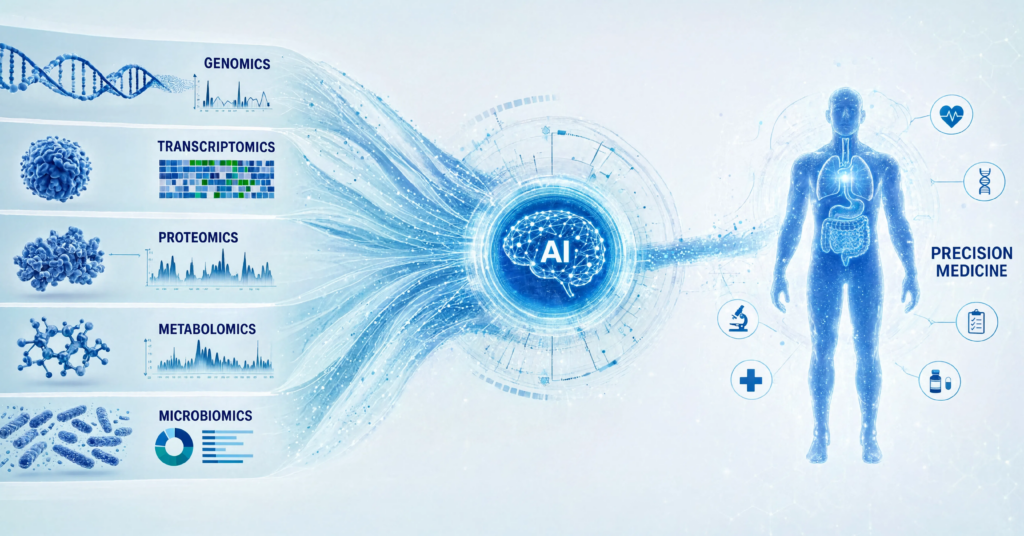
In South Africa, bioinformatics has become a vital tool in public health and agriculture. Institutions like CPGR utilize advanced algorithms, machine learning, and genomic software to provide actionable insights. From identifying bacterial outbreaks to optimizing crop resistance, bioinformatics is helping researchers make data-driven decisions.
Pharmacogenomics: Personalized Medicine in South Africa
Pharmacogenomics blends pharmacology and genomics to understand how individual genetic variations affect drug response. This science ensures patients get the right medicine at the right dose, minimizing side effects and maximizing effectiveness.
In a diverse population like South Africa’s, where genetic variations differ across ethnic groups, pharmacogenomics plays a crucial role in personalized medicine. CPGR supports healthcare providers with DNA-based insights to help tailor treatments to specific patients, ultimately leading to better healthcare outcomes.
The Role of CPGR in Advancing Genomics in South Africa
As one of the most advanced facilities in Africa, CPGR leads the way in providing integrated services in metagenomics, bioinformatics, and pharmacogenomics. Their expertise helps researchers, clinicians, and biotech firms unlock the full potential of genomic science.
Some of the services offered by CPGR include:
- Microbiome analysis using metagenomics
- Bioinformatics pipelines for large-scale data analysis
- Genetic profiling for pharmacogenomic research
- Next-generation sequencing and cloud-based data hosting
Applications of Metagenomics in South African Research
South Africa’s rich ecosystems—from deserts to coastlines—offer perfect environments for metagenomics research. CPGR collaborates with local universities and research institutions to study:
- Soil microbiomes in agriculture
- Marine life and aquatic pathogens
- Human gut health and disease links
- Zoonotic diseases in wildlife
With CPGR’s advanced sequencing tools, researchers can identify microbes that were previously undetectable, opening up new avenues in health, agriculture, and environmental science.
Why Bioinformatics is Essential for Scientific Innovation
Without bioinformatics, the sheer volume of data generated by sequencing would be unusable. CPGR supports South African scientists by:
- Building custom algorithms
- Visualizing genomic data for easier interpretation
- Conducting large-scale genome comparisons
- Automating workflows to reduce analysis time
Thanks to these tools, researchers can publish faster, discover more, and contribute to global science from right here in South Africa.
Pharmacogenomics and the Future of Medicine in South Africa
Imagine a future where no one receives the wrong medication. That’s what pharmacogenomics aims to achieve. By analyzing patient genomes, doctors can choose drugs that are more likely to work and avoid those that could cause harm.
CPGR’s initiatives in this space are making this vision a reality. Their genetic analysis platforms provide insights into drug metabolism, helping healthcare providers customize treatment plans based on each patient’s DNA.
Challenges and Opportunities in South African Genomics
Despite significant advancements, challenges like funding, data storage, and ethical concerns remain. However, the opportunities far outweigh the challenges.
With support from the government and private sectors, organizations like CPGR are building a robust framework for research and development in metagenomics, bioinformatics, and pharmacogenomics.
As more South African universities embrace genomics and the demand for personalized medicine grows, CPGR will continue to be a key player in shaping the country’s scientific future.
FAQs on Metagenomics, Bioinformatics & Pharmacogenomics
What is the difference between metagenomics and genomics?
Genomics studies individual organisms, while metagenomics analyzes all genetic material in an environment.
How does bioinformatics support metagenomics?
Bioinformatics processes large genetic datasets, helping scientists interpret metagenomic data effectively.
Is pharmacogenomics available in South Africa?
Yes, institutions like CPGR offer pharmacogenomics services to support personalized medicine locally.
What tools are used in bioinformatics?
CPGR uses custom pipelines, AI models, and genomic databases to support bioinformatics in South Africa.
Why is metagenomics important for environmental research?
It helps uncover hidden microbial communities, crucial for monitoring ecosystems and biodiversity.
Conclusion
The integration of metagenomics, bioinformatics, and pharmacogenomics is transforming science and healthcare in South Africa. From decoding microbial ecosystems to personalizing treatment plans, the possibilities are vast and exciting. At the center of this innovation stands CPGR, a trusted partner in driving genomic excellence on the African continent.
If you’re a researcher, healthcare provider, or biotechnology innovator, now is the time to explore how CPGR’s expertise can advance your work.