The field of epigenomics South Africa is rapidly gaining attention as scientists and clinicians explore how gene expression can be influenced without altering the DNA sequence itself. At the forefront of this revolution is CPGR, a non-profit service provider that delivers cutting-edge genomic and epigenomic solutions to the research and clinical communities.
By leveraging CPGR’s epigenomics services, South Africa is positioning itself as a leader in harnessing the power of epigenetic research for better healthcare outcomes, disease prevention, and precision medicine. Whether in cancer research, infectious disease studies, or public health, epigenomics provides an essential layer of understanding beyond traditional genomics.
For more insights into the research landscape, you can also read CPGR’s detailed post on epigenomics research in South Africa.
Understanding Epigenomics in the South African Context
Epigenomics refers to the study of chemical modifications to DNA and histone proteins that regulate gene expression without altering the genetic code itself. Unlike genomics, which deciphers the sequence of DNA, epigenomics explores how environmental, lifestyle, and developmental factors impact the way genes are turned on or off.
In South Africa, this discipline is particularly vital. With the country’s high disease burden—ranging from cancer and diabetes to infectious diseases such as HIV and tuberculosis—epigenomics provides new avenues for diagnostics, therapeutics, and preventative care. CPGR is uniquely positioned to integrate these insights into both research and clinical applications.
Why Epigenomics Matters for South Africa
Addressing Complex Diseases
Many diseases prevalent in South Africa are influenced not just by genetic predisposition but by environmental and lifestyle factors. Epigenomics helps explain why two people with similar genetic backgrounds may experience vastly different health outcomes.
Supporting Precision Medicine
By combining genomics with epigenomics, clinicians can tailor treatments to an individual’s unique molecular profile. This is particularly important for cancer therapy, where understanding epigenetic signatures can guide personalized treatment plans.
Enhancing Public Health Research
Epigenomics also allows researchers to study how nutrition, stress, toxins, and infections impact long-term health across populations, giving public health experts better tools to design effective interventions.
CPGR’s Role in Advancing Epigenomics South Africa
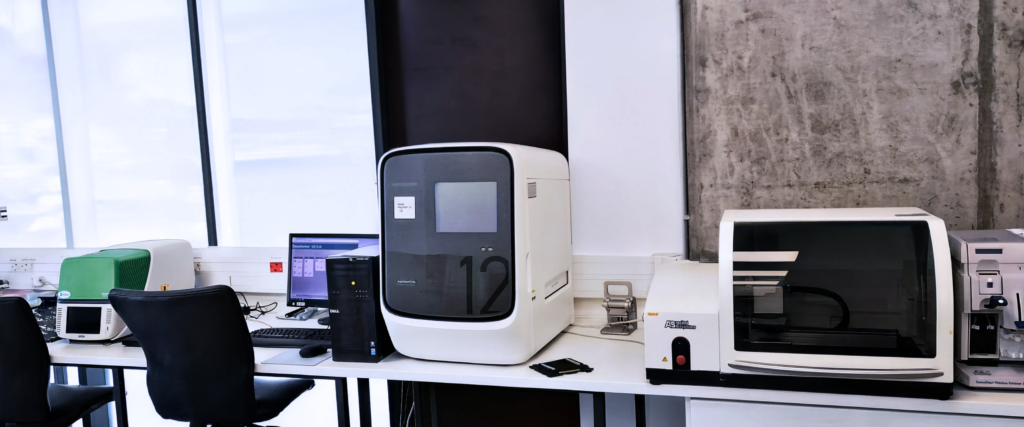
The Centre for Proteomic and Genomic Research (CPGR) is a leading player in the life sciences sector, offering world-class infrastructure and expertise to local and international research communities. CPGR’s specialized epigenomics services empower scientists to conduct high-quality studies that meet global standards while addressing African-specific health challenges.
Key services include:
- DNA Methylation Profiling: Studying methylation patterns that regulate gene activity.
- Histone Modification Analysis: Understanding how histone changes impact chromatin structure and gene expression.
- Chromatin Accessibility Studies: Mapping open regions of DNA that affect transcriptional activity.
- Multi-omics Integration: Combining genomics, transcriptomics, proteomics, and epigenomics for a holistic understanding of disease.
By providing access to these technologies, CPGR enables South African researchers to compete globally while tackling local health problems with precision.
Applications of Epigenomics in South Africa
Cancer Research
Epigenomics helps identify biomarkers for early cancer detection and monitors how tumors evolve under treatment. This allows oncologists in South Africa to develop more effective therapeutic strategies.
Infectious Diseases
In a country where HIV and tuberculosis remain significant challenges, epigenomics provides insights into how these pathogens manipulate host immune responses. This can inform better treatment and vaccine strategies.
Maternal and Child Health
Epigenetic studies shed light on how early-life nutrition and environmental exposures impact lifelong health outcomes, enabling preventive healthcare programs across South Africa.
Neurodegenerative Disorders
Epigenomics is also being applied to conditions like Alzheimer’s and Parkinson’s disease, providing clues about how gene regulation impacts brain function and aging.
Building Capacity for Epigenomics Research in South Africa
One of the most critical challenges in advancing epigenomics South Africa is ensuring sufficient infrastructure and training. CPGR is addressing this by:
- Training Programs: Offering workshops and hands-on training in epigenomic technologies.
- Collaborative Projects: Partnering with universities, hospitals, and research institutions to expand knowledge.
- Data Analysis Support: Providing bioinformatics expertise to handle complex epigenomic datasets.
By fostering collaboration and skill development, CPGR ensures that South African researchers are well-equipped to advance the field.
Global Relevance, Local Impact
Epigenomics is not only about cutting-edge research; it’s about improving lives. South Africa’s diverse population provides a unique opportunity to generate insights that can benefit the global community. At the same time, these studies directly address local health challenges, ensuring that the benefits of epigenomics are both global and deeply rooted in African realities.
FAQs
What is epigenomics and how does it differ from genomics?
Epigenomics studies chemical modifications that regulate gene expression, while genomics focuses on the DNA sequence itself. Both fields complement each other in understanding health and disease.
How is epigenomics research advancing in South Africa?
Research is expanding through CPGR’s infrastructure and collaborations with universities and hospitals, making South Africa a hub for epigenomic innovation.
What clinical benefits come from epigenomics studies?
Epigenomics enables early disease detection, guides personalized treatments, and helps predict how individuals may respond to therapies.
Which diseases can be studied using epigenomics?
Epigenomics can be applied to cancer, infectious diseases, diabetes, neurological disorders, and cardiovascular conditions, among others.
Where can I access epigenomics services in South Africa?
You can access comprehensive services through CPGR’s epigenomics division, which supports both research and clinical applications.
Conclusion
The future of healthcare lies in understanding not just our genes but also the complex regulatory systems that influence them. By investing in epigenomics South Africa, CPGR is helping unlock new pathways for diagnostics, therapeutics, and public health. With advanced services, collaborative projects, and a strong focus on precision medicine, CPGR is at the forefront of transforming healthcare across the continent.
For researchers and clinicians alike, the opportunities in epigenomics are immense—and South Africa is set to be a global leader in this vital field.