In South Africa’s growing genomics and biotechnology landscape, high-quality DNA extraction and sample QC (quality control) are the foundation for reliable downstream analysis such as next-generation sequencing (NGS) and bioinformatics. The Centre for Proteomic and Genomic Research (CPGR), based in Cape Town, has positioned itself as a leader in offering precision-driven genomic services to academic, clinical, and industrial clients.
Whether you’re exploring Next-Generation Sequencing, Microarray or RT-PCR analysis and further exploring CPGR’s bioinformatics , the success of your study depends on the quality of your extracted DNA or RNA. That journey begins with optimized DNA extraction and sample QC procedures designed to maintain the integrity of every sample, from collection to data generation.
DNA and RNA Integrity for Genomic Analysis
Precision in genomics begins long before sequencing. The accuracy of genetic data depends on the recovery of high-quality DNA and RNA, yet environmental conditions and long transport distances can compromise sample integrity. Beyond laboratory precision, logistics and cold-chain management are critical in South Africa’s genomics landscape, ensuring samples remain at optimal temperatures from collection to analysis to prevent degradation. Within the South African and broader African healthcare ecosystem; where laboratories, hospitals, and research centers are distributed across diverse climates and remote regions; robust extraction protocols combined with rigorous QC measures are essential. Even minor deviations in sample handling can lead to contamination, nucleic acid degradation, or loss of yield, directly affecting the accuracy of next-generation sequencing (NGS), microarray, RT-PCR/qPCR, and downstream analyses.
Choosing the Right DNA and RNA Extraction Method
In genomics, accurate downstream analysis begins with effective nucleic acid extraction. DNA and RNA must be recovered in high yield, purity, and integrity to support applications such as Next-Generation Sequencing (NGS), microarray, and RT-PCR/qPCR. Selecting the correct extraction method is therefore crucial — one size does not fit all.
Different sample types; blood, tissue, microbial cultures, buccal swabs, or environmental samples; require tailored extraction protocols to overcome unique challenges. For instance:
- Blood and tissue – Require methods that minimize protein contamination and maximize nucleic acid recovery.
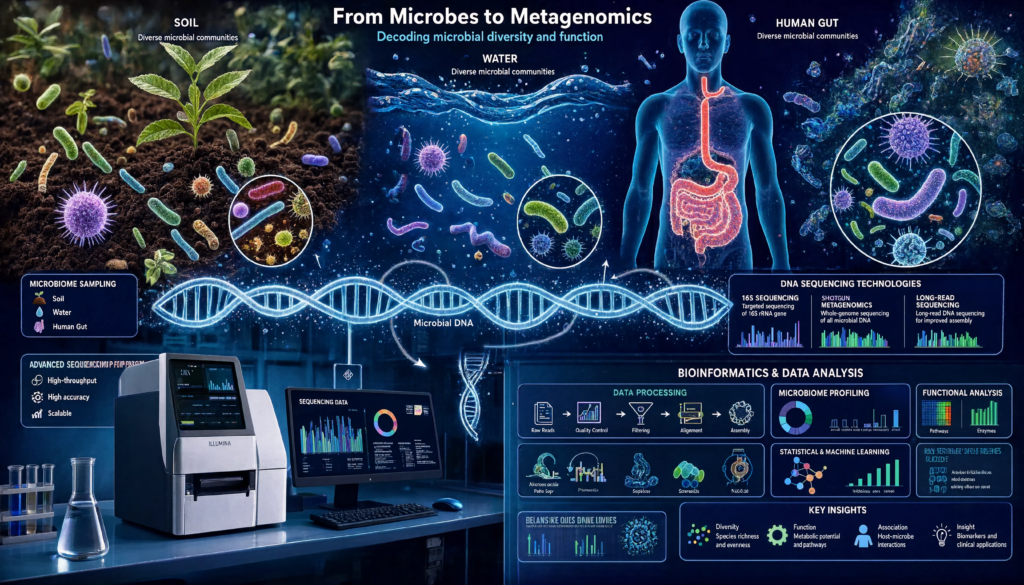
- Microbial cultures and environmental samples – Often need robust lysis techniques to break down tough cell walls and recover DNA from diverse microbial communities.
- RNA samples – Are highly susceptible to degradation, demanding rapid stabilization and specialized extraction reagents to maintain RNA integrity for transcriptomics studies.
Choosing the right method ensures that nucleic acids are representative, uncontaminated, and suitable for the intended downstream application. It also reduces variability between samples, which is especially critical in South Africa, where laboratories, hospitals, and research centers are often spread across diverse climates and long transport distances.
By prioritizing method selection and careful extraction, researchers lay the foundation for reliable quality control workflows, including spectrophotometric purity checks, DIN/RIN integrity assessments, and fluorometric quantification — all of which guarantee that DNA and RNA are fit for sequencing and bioinformatics analysis.
Genomics Quality Control (QC) Workflows and Key Ranges
At CPGR, quality control (QC) is the cornerstone of every DNA and RNA extraction service in South Africa. Before any sequencing or downstream analysis begins, we evaluate the integrity, purity, and quantity of nucleic acids to ensure each sample meets stringent quality thresholds.
DNA (Deoxyribonucleic Acid) is the hereditary material that carries genetic information in nearly all living organisms, while RNA (Ribonucleic Acid) plays a vital role in gene expression and regulation, converting DNA’s stored information into functional proteins. Because these molecules are chemically distinct, their extraction and preservation require specialized protocols and quality benchmarks.
Integrity is measured using the DNA Integrity Number (DIN) and RNA Integrity Number (RIN), which quantify the extent of nucleic acid degradation. A DIN value above 7 typically indicates DNA suitable for whole-genome sequencing or microarray analysis, while a RIN score ≥7 confirms RNA stability for transcriptomics, gene expression profiling, and RNA-Seq.
Purity is assessed spectrophotometrically via A260/280 and A260/230 absorbance ratios to detect contaminants. Ideal A260/280 ratios are around 1.8 for DNA and 2.0 for RNA, while A260/230 ratios between 2.0–2.2 suggest minimal reagent or salt contamination. Quantification is performed using fluorometric assays for precise concentration measurements, ensuring samples meet the exact input requirements for Next-Generation Sequencing (NGS), microarray, or qPCR workflows.
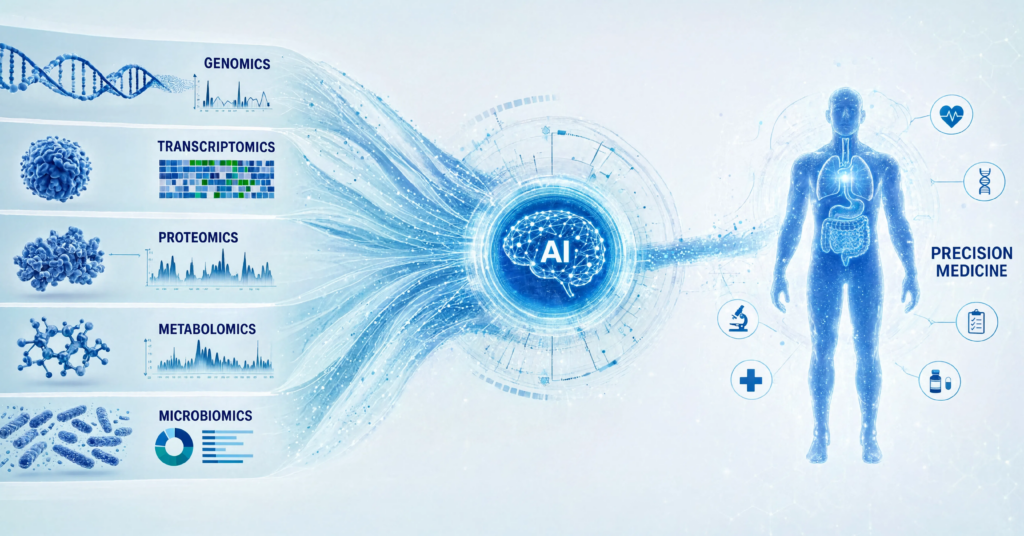
By maintaining these strict QC standards, CPGR ensures that sequencing outputs are accurate, reproducible, and biologically meaningful. Each dataset begins with pure, intact nucleic acids, supporting research in precision medicine, metagenomics, and molecular diagnostics across South Africa’s growing genomics landscape.
Quality Control: From Bench to Bioinformatics
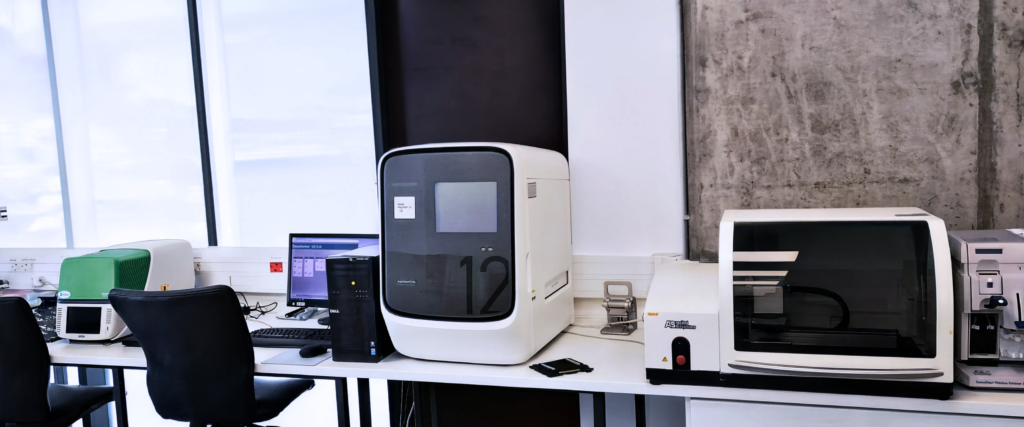
CPGR’s quality control doesn’t stop at nucleic acid extraction — it extends through every stage of analysis and data interpretation. Once DNA or RNA passes QC, it moves to specialized genomic workflows using high-throughput, sophisticated platforms optimized for each application, from Next-Generation Sequencing (NGS) and microarrays to RT-PCR/qPCR.
Following sequencing, our bioinformatics team processes, analyzes, and interprets raw data with precision. This integration of sample QC, sequencing, and computational analysis ensures a seamless, end-to-end workflow, minimizing errors and maximizing data reliability.
By combining laboratory rigor with computational expertise, CPGR delivers datasets that are biologically accurate, reproducible, and publication-ready, empowering researchers, clinicians, and industry partners across South Africa to make informed, data-driven decisions.
Across these domains, CPGR’s expertise ensures that each dataset is built on a foundation of validated, high-quality nucleic acids.
Sustainable and Standardized Genomic Infrastructure in South Africa
South Africa’s growing genomics ecosystem depends on organizations like CPGR that provide not just services, but also infrastructure, training, and compliance frameworks. The lab operates under international quality management standards, emphasizing reproducibility, traceability, and ethical handling of biological materials.
By maintaining these standards, CPGR helps researchers and companies across Africa access world-class genomic support locally, minimizing the need to ship samples abroad and reducing associated risks.
FAQs
What sample types/volumes are accepted for DNA/RNA extraction in South Africa?
CPGR accepts a wide range of sample types including blood, tissue, buccal swabs, and cultured cells. Volume and concentration requirements vary by application and are detailed in the NGS submission form.
How does CPGR ensure QC (RIN/DIN, A260/280) before sequencing?
Each sample undergoes spectrophotometric and electrophoretic assessment to evaluate RIN, DIN, and purity ratios. Only samples that meet CPGR’s strict QC thresholds advance to sequencing.
What are shipping & cold-chain requirements within SA (e.g., Cape Town/Johannesburg)?
Samples must be shipped under temperature-controlled conditions using dry ice or cold packs. CPGR’s logistics network ensures sample integrity across South Africa. Contact us for preferred courier service providers
Conclusion: From Sample to Insight
At CPGR, precision in genomics starts with high-quality DNA and RNA, continues through rigorous QC, and extends to specialized sequencing and bioinformatics analysis. By integrating robust extraction protocols, stringent QC metrics, and advanced computational workflows, we deliver accurate, reproducible, and actionable data.
In South Africa’s diverse research and healthcare landscape, this holistic approach ensures reliable genomic insights for precision medicine, agricultural innovation, and environmental studies; empowering researchers, clinicians, and industry partners to translate complex biological data into meaningful solutions.
At CPGR, we don’t just generate data – we transform it into discovery, insight, and impact for South Africa and beyond.