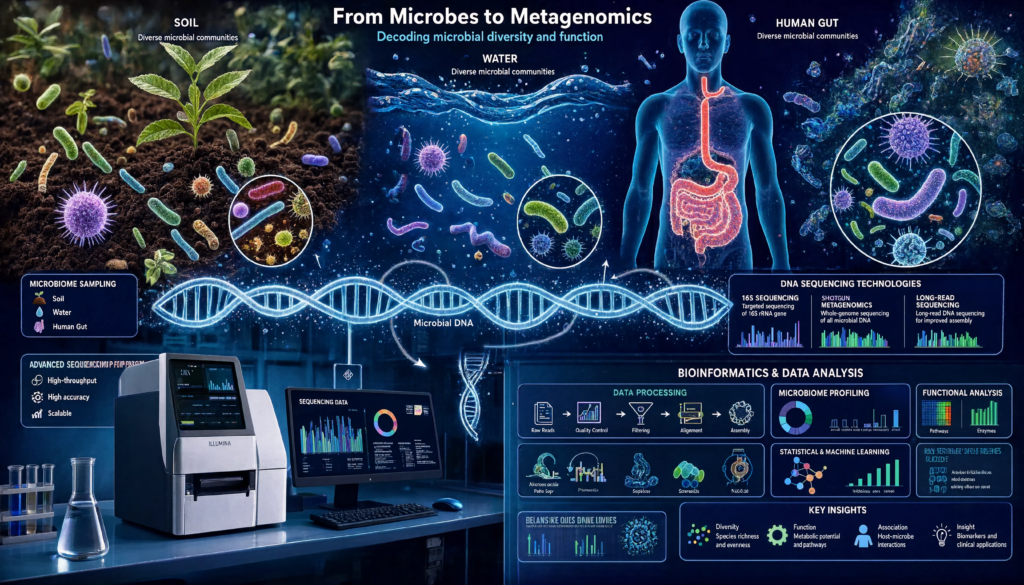
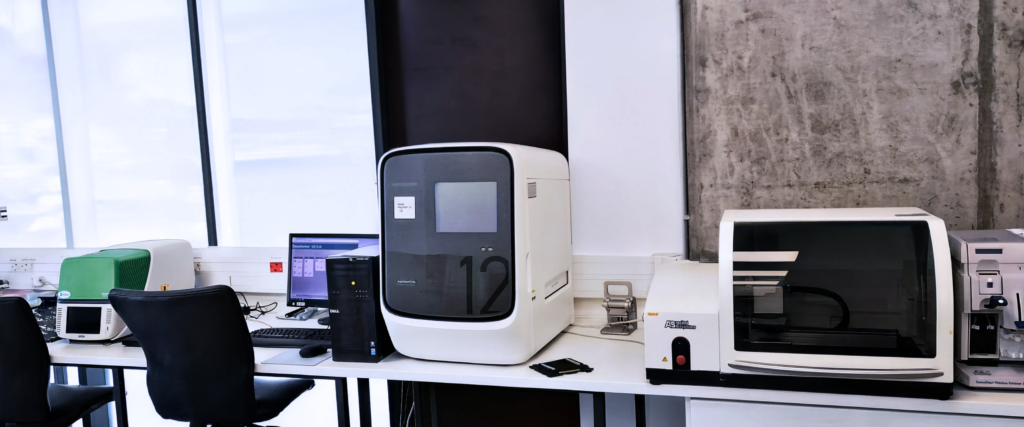
In recent years, clinical genomics in South Africa has emerged as a transformative force in healthcare, paving the way for more accurate diagnoses, personalized treatments, and advanced medical research. As one of the leaders in this field, CPGR (Centre for Proteomic and Genomic Research) plays a pivotal role in bridging cutting-edge genomics technologies with local clinical needs. By providing specialized infrastructure and services, CPGR ensures that South African clinicians, researchers, and patients benefit from the global revolution in genomic medicine.
For readers who wish to dive deeper into the extensive genomics services offered by CPGR, you can visit their dedicated Genomics page. This page highlights their technological platforms, sequencing solutions, and applications tailored for both research and clinical settings.
Understanding Clinical Genomics in the South African Context
Clinical genomics involves the use of genetic information to better understand health, disease, and treatment responses. By sequencing and analyzing a person’s DNA, clinicians can uncover genetic variations that may predispose individuals to certain conditions or affect their treatment outcomes.
In South Africa, this field holds exceptional importance. With its diverse genetic heritage and unique disease landscape—including infectious diseases like HIV and TB, as well as rising cases of cancer and cardiovascular conditions—genomics provides invaluable insights that can guide healthcare decisions. Clinical genomics offers the possibility of moving beyond a “one-size-fits-all” approach, replacing it with tailored interventions that match individual genetic profiles.
The Role of CPGR in Advancing Genomics
CPGR has been at the forefront of advancing clinical genomics in South Africa since its establishment. As a not-for-profit organization, CPGR provides access to world-class genomic technologies, including:
Next-Generation Sequencing (NGS): High-throughput sequencing platforms capable of whole-genome, whole-exome, and targeted sequencing.
Transcriptomics and Epigenomics: Tools for studying gene expression and regulatory mechanisms.
Bioinformatics Support: Data analysis and interpretation tailored to clinical and research needs.
Molecular Diagnostics: Application of genomics for clinical decision-making.
The organization collaborates extensively with hospitals, research institutes, universities, and biotech startups to ensure genomics is embedded within the South African healthcare ecosystem.
Why Clinical Genomics Matters for South Africa
South Africa faces a dual burden of disease—infectious diseases and a growing prevalence of non-communicable diseases. Clinical genomics provides tools to address both:
Infectious Diseases: By sequencing pathogens such as HIV and TB strains, researchers can track mutations, drug resistance, and epidemiological patterns.
Cancer Genomics: Identifying genetic mutations that drive cancers allows for the use of targeted therapies and early detection strategies.
Rare Genetic Disorders: Genomic sequencing provides answers for families struggling with undiagnosed conditions, helping clinicians identify underlying causes.
Pharmacogenomics: Tailoring medication to a patient’s genetic makeup improves treatment efficacy while reducing side effects.
This multi-faceted approach positions South Africa to not only advance healthcare locally but also contribute to global genomics research, thanks to its genetically diverse population.
Clinical Genomics and Precision Medicine
The ultimate goal of clinical genomics in South Africa is to enable precision medicine—healthcare that is predictive, preventive, personalized, and participatory. For instance, a breast cancer patient may undergo genomic testing to identify whether they carry the BRCA1 or BRCA2 mutations. Based on this, doctors can recommend specific treatments, screening regimens, or even preventive surgeries.
In infectious diseases, genomic data allows clinicians to understand how a patient’s immune system interacts with pathogens, guiding more effective treatment strategies. Precision medicine thus not only improves outcomes but also optimizes healthcare resources, which is particularly valuable in resource-constrained settings like South Africa.
Challenges in Implementing Clinical Genomics in South Africa
Despite the promise, several challenges remain in the widespread adoption of clinical genomics:
Cost: Advanced sequencing technologies remain expensive, limiting accessibility.
Infrastructure: South Africa requires continued investment in labs, bioinformatics, and data storage.
Skilled Workforce: More training is needed for clinicians, scientists, and bioinformaticians to integrate genomics into healthcare.
Ethical Considerations: Issues of data privacy, consent, and equitable access must be carefully managed.
CPGR addresses many of these challenges by offering shared infrastructure and building local capacity through training and partnerships.
Research Opportunities and Global Impact
South Africa’s genomic diversity provides an unparalleled opportunity for global research. Many genetic studies have historically been Eurocentric, leaving gaps in our understanding of African populations. By promoting clinical genomics research in South Africa, CPGR and its partners are filling these gaps and ensuring that medical discoveries are more inclusive and globally relevant.
Projects that map genetic variations in South Africans not only improve local healthcare but also inform international drug development and disease understanding.
The Future of Clinical Genomics in South Africa
Looking ahead, clinical genomics is expected to play an even greater role in shaping South African healthcare. Emerging technologies such as single-cell genomics, CRISPR-based diagnostics, and AI-driven data interpretation will expand the scope of precision medicine.
With organizations like CPGR leading the way, South Africa is well-positioned to integrate genomics into mainstream healthcare. As costs decrease and accessibility improves, clinical genomics could become a routine part of medical practice—from newborn screening to cancer care.
FAQs on Clinical Genomics South Africa
What is clinical genomics and how does it work?
Clinical genomics studies a person’s DNA to identify genetic variations linked to disease. It uses sequencing technologies to guide diagnosis and treatment.
How is clinical genomics used in South African research?
In South Africa, it is used to study infectious diseases, cancers, and rare disorders. Researchers apply genomics to understand local health challenges better.
What are the advantages of clinical genomics?
It enables personalized medicine, improves diagnostic accuracy, and supports targeted treatments. It also aids in early disease detection and prevention.
Where can I access clinical genomics services in South Africa?
Services are available through institutions like CPGR, which provides genomic testing and support for clinicians and researchers.
Is clinical genomics suitable for clinical applications?
Yes, it is increasingly being integrated into routine healthcare. Clinical genomics supports precision medicine and enhances patient outcomes.
Conclusion
Clinical genomics in South Africa represents a transformative shift in how medicine is practiced, researched, and delivered. With organizations like CPGR spearheading access to cutting-edge technologies, South Africa is building a future where precision medicine becomes the standard of care. From infectious diseases to cancer and beyond, genomics offers tools that empower clinicians, support research, and ultimately improve patient outcomes.
As investment grows and accessibility improves, clinical genomics in South Africa will not only elevate healthcare locally but also position the country as a vital contributor to global medical innovation.